Last week, part of the Virginia Main Street team traveled to Vancouver, WA for a Transformation Strategies Workshop where State Coordinators, local directors, and Main Street staff from all across the United States gathered to learn how to better understand and execute Transformation Strategies. Transformation Strategies are an essential tool of the Main Street program, they articulate “a focused, deliberate path to revitalizing or strengthening a downtown or commercial district’s economy.” To learn more about the concept of Transformation Strategies, we dug into the details in a blog post earlier this year- “The Power of Transformation Strategies.”
Today, I want to share with you three lessons that I’ve taken home with me from the workshop that has helped me reframe how Transformation Strategies should work within a community revitalization plan.
Transformation Strategies are informed by multiple sources, and each source tells part of a larger story.
When preparing for a Transformation Strategy workshop, the community issues a survey taken by residents and visitors to determine what the participant thinks about the downtown, their relationship to the downtown, and the changes they would like to see downtown. This survey data is then analyzed and organized into word clouds and charts. This data provides great information about local perceptions in downtown and can reflect the story that the town is telling about the downtown district.
This survey data is complemented by data collected by software like Placer.ai and ERSI which can look at foot traffic, the spending habits of those who live within driving distance of the district, and even their values as consumers (for example, whether the spending indicates a preference for convenience or higher quality goods.)
The workshop then invites focus groups of business owners, property owners, non-profit stakeholders, and civic leaders to provide qualitative input. By asking guiding questions and opening the floor, the rest of the story comes together and what makes the downtown the place it is, and the place it can be, is more fully understood.
A Transformation Strategy applies to across all four points
At first glance, it might be assumed that a Transformation Strategy may fall under the purview of the Organization Committee or the Economic Vitality Committee. That the Design and Promotions Committees have more specific tasks, but a Transformation Strategy should be implemented across all four points. If a Transformation Strategy, for example, is focused on creating a more family-friendly district the Organization Committee could create a standing meeting with representatives from the local PTA to get their involvement, and the Economic Vitality Committee could work to recruit a toy store or arcade to the downtown, the Design Committee could consider a splash pad project, and the Promotions committee could create a family area at their annual festival.
Transformation Strategies are temporary.
Transformation Strategies are not substitutes for five or ten-year strategic plans. Transformation Strategies are meant to be carried out within two to three years and respond to the district trends as they are at the time of the workshop. They are meant to be short-term strategies and the workshop should be repeated after two or three years so that your downtown district can continue to be responsive to its changing environment.
In 2023 alone, Virginia Main Street partnered with Main Street America to lead over a dozen Transformation Strategy workshops across the state with each strategy reflecting the complex and unique opportunities each district has for growth. Communities like Luray, Clarksville, Manassas and Staunton have undertaken this work and I am looking forward to seeing each community advance their Transformation Strategy and where their strategy takes them.
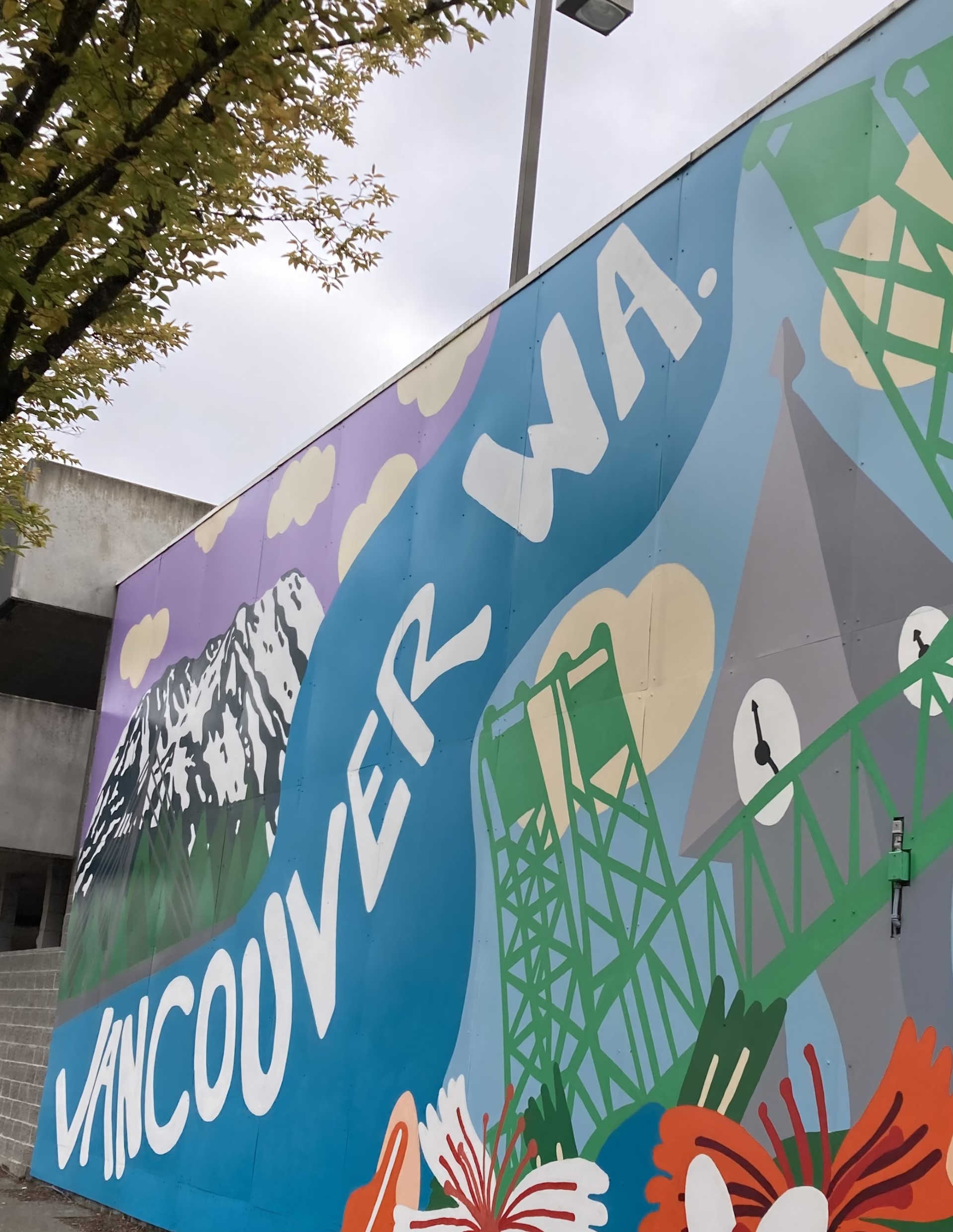
Photo Credit: Ellie Dudding-McFadden
 Virginia Main Street