Our blogger today is Rebecca Rowe, Associate Director of the Community Vitality Office and lover of shopping local all over Virginia.
For a long time, I was quick to edit those words out of any blog, document, or email that I was asked to edit. To me, it seemed redundant. Why not just embed the link in the title of the document or some other verbiage that was organic to the document? Recently, it was explained to me that for the visually impaired using apps to have the text read to them, providing the specific verbal cue to the link was particularly important and provided accessibility to the information in a way that my previous approach did not.
As a seeing person this had never occurred to me, and I couldn’t help but wonder, what other opportunities for accessibility and inclusion were passing me by? While many of us (I hope!) are mindful of ensuring ADA accessibility for meetings and events, there are a myriad of other ways that we can and should keep in mind how the lived experience of others differs from ours, and how we can not only be accommodating, but welcoming in our approach.
Spaces
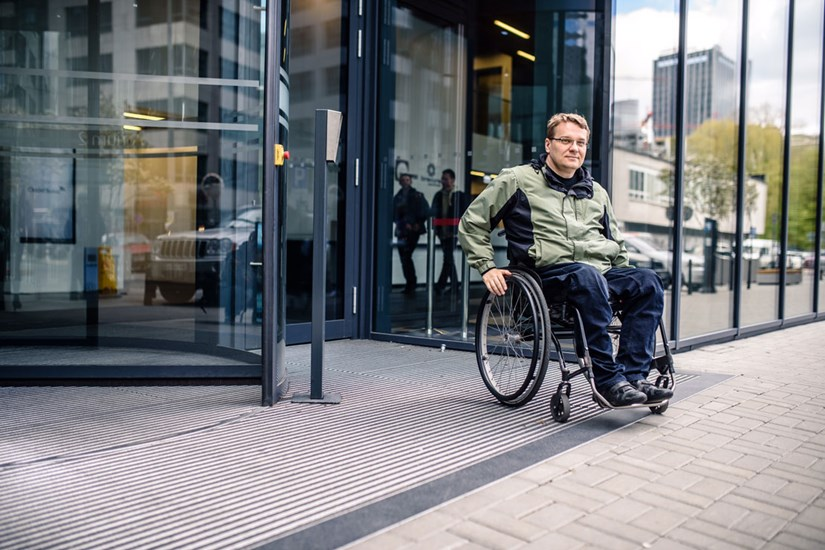
Main Street America‘s article “Rethinking Storefront Accessibility to Rethink Community Viability” highlighted ways in which businesses can make their storefronts, entries, and floor plans more accessible. Data also shows that by increasing accessibility and inclusivity, small business also frequently see increased sales and revenue. Being a good neighbor and host can also be good business! The article notes that as private spaces become more accessible it also catalyzes public spaces to become more welcoming.
The American Planning Association’s “Design for Everybody” builds on this concept by showing planners and local governments how they can both design and redesign the public realm for all users. Elements such as gently sloping walkways into parks, either in lieu of or along side of stairs, adds both the visual interest ease of use. In “Well Designed Public Spaces are Inclusive Ones” they take the concept of welcoming spaces beyond physical ability to gender and cultural inclusion as well.
Events
The built environment and physical accessibility is just one area of consideration. Main Streets are also well known for events – from festivals to food truck courts to races – we act as community conveners! Association Meetings International has a great list of items to consider to make your events as inclusive and welcoming as possible. In “10 Ways to Create Inclusive Events” everything from providing child care to sign language interpreters to food options that meet a variety of dietary needs is vetted and case studies provided.
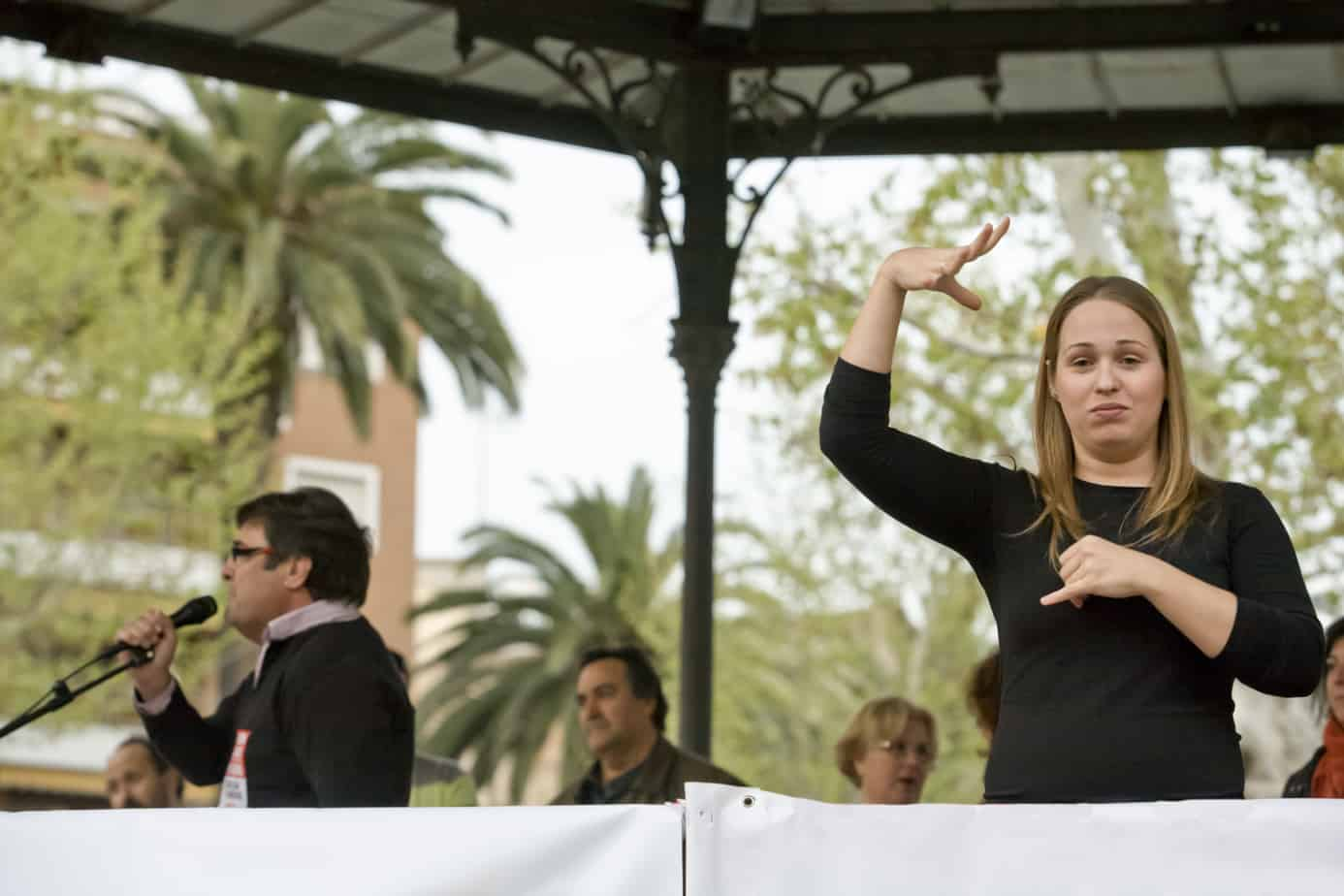
One of the most inclusive and potentially impactful recommendations in the article is to ensure that your planning committee is diverse on as many levels as possible. The multiplicity of perspectives helps to ensure that a multiplicity of needs are being considered and met.
Promotional Materials
From websites to flyers and posters to signage – adding translations will not only provide a broader welcome to the community but will also expand your audience and reach. Simplified fonts and language is another area of consideration. Make sure that your written materials are able to be read, understood, and enjoyed by all. Classy, a great online source of information and resources for nonprofits, put together “Eight Accessibility Best Practices to Apply to Your Nonprofit Website” to ensure that people of all abilities can access your information, making them more likely to participate in your programming.
When we make the effort to think beyond ourselves to the lived experiences of people of other backgrounds, abilities, and sensibilities we are able to take steps towards a more inclusive Main Street effort. Tell us how your community or organization is working to make space for everyone by sending us an email – click here to contact us directly!
*Note – this blog is in no way meant as a comprehensive guide to accessibility. It is meant to be a conversation starter and to get community and Main Street organizations thinking about the lived experiences of others and how they can make their activities more inclusive for a diversity of abilities. Stay tuned for a follow up blog with a first person point of view.*
Image 1 – Skanska
Image 2 – Accredited Language Services
 Virginia Main Street