
A design committee is an important part of any of Main Street organization! It plays a key role in molding the aesthetics and environment of your downtown and helps preserve your community’s unique character, while planning ahead for how to incorporate and guide future changes. Here are a few ways to get your design committee more engaged:
1 | Get Out In The Field

Being able to get a hands-on experience with the work other communities and design committees have done can help inspire and invigorate your own design committee! Consider taking your design committee on a “field trip” to another community’s downtown, guided by leaders that are knowledgeable about architecture, historic preservation, storefront design, and other design features. Getting to see what other communities are doing and being able to ask questions of local community leaders offers a chance for committee members to gain knowledge and ask questions of their peers. You can also conduct a tour of your own community and use that time to discuss any assets or liabilities you see in the downtown and what improvements could be made.
2 | Prioritize Training & Education
Having an educated design committee is vital. By investing in training and education for members, you equip them with the knowledge necessary to effectively communicate and advocate for the unique needs and vision of your downtown district. By enhancing their knowledge in areas such as architecture and historic preservation, members can better articulate a unified vision for the downtown district. This commitment to training ensures a shared understanding, enabling the committee to effectively communicate as one the needs and goals of the community.
3 | Refresh Committee Projects
Check out what projects your design committee is working on! Are they tackling issues or future goals for the downtown? Ensure these projects align with addressing existing challenges or progressing towards future objectives of the downtown to get the most out of your design committee. Projects like creating a comprehensive building inventory, conducting presentations to local groups, and establishing training sessions / workshops are all projects your committee could work on to enhance the overall design landscape and knowledge of your community. Consider other initiatives for your design committee to work on such as a design resource library, awards for good design implementations by local businesses and property owners, or the establishment of a Design Review Ordinance to continually advance the commercial district.
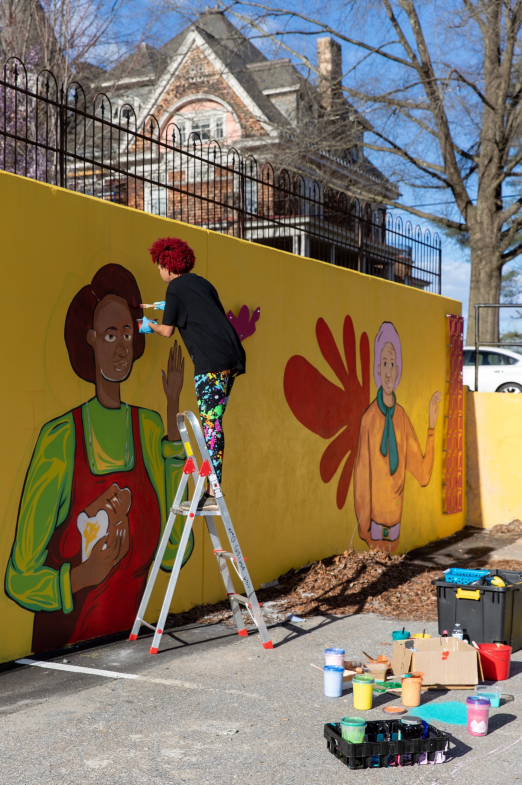


By implementing these strategies, your design committee can become a more dynamic force in preserving the essence of your community and helping guide future development.
 Virginia Main Street