As a participant in the Virginia Rural Leadership Institute’s (VRLI) 2024 Cohort, Zachary Whitlow, Community Vitality Program Administrator for the Department of Housing and Community Development, provides an overview of the second VRLI session of the year, which was held in Abingdon, Bristol and Marion on July 17-19, 2024.
The Virginia Rural Leadership Institute’s (VRLI) second session of the year was set against the backdrop of Southwest Virginia’s (SWVA) rich cultural and economic landscape. Over the course of three highly engaging and educational days, cohort members observed the collaborative spirit of the region and saw firsthand how local leaders and regional changemakers are significantly enhancing the local economy and quality of life for all. Southwest Virginia was an ideal setting that offered cohort members valuable lessons and inspiration, further honing their leadership, community, and economic development skills.
Day 1 | July 17, 2024

Day 1 commenced at the Southwest Virginia Cultural Center in Abingdon, Virginia where Kim Davis – Executive Director of Friends of Southwest Virginia (FSV) – welcomed cohort members and delivered a wonderful presentation that highlighted the organization’s commitment to serving all 19 counties, four independent cities, and 53 towns in SWVA and how their collaborative efforts are driving innovate community development and tourism initiatives in the region.

In her presentation, Davis spotlighted initiatives that are key to regional advancement efforts, including the development and sustainability of the SWVA Cultural Center & Marketplace, formerly known as Heartwood. She discussed the expansion of outdoor recreation development throughout the region, underscoring its significance for both residents and visitors. Additionally, Davis detailed the strategic planning and implementation of downtown revitalization projects aimed at enhancing the quality of life within local communities and positioning them for diverse economic development opportunities. Cohort members gained valuable insights into the importance of effective branding and creative marketing in establishing SWVA as a unique cultural destination and showcasing its rich heritage to a global audience.

After a tour of the Southwest Virginia Cultural Center & Marketplace, cohort members were joined by Dwayne Yancey, Founding Editor of Cardinal News, an independent, nonprofit, nonpartisan news site that serves Southwest and Southside Virginia. Yancey informed cohort members that Cardinal News is dedicated to reporting the untold stories of Southwest and Southside Virginia, amplifying the voices of those often overlooked in the political, economic and cultural discourse of the Commonwealth due to their geographic location. By shining a light on these regions, the news site seeks to ensure that the unique challenges and triumphs of these communities are acknowledged and addressed.
When speaking to VRLI cohort members, Yancey emphasized the critical role of media in rural areas, highlighting the importance of independent, unbiased journalism in fostering vibrant communities. He noted that access to reliable information empowers residents, enabling them to participate more fully in civic life and advocate for their needs and interests effectively. By providing a platform for local stories and issues, cohort members learned that these outlets contribute to a more informed and engaged populace, ultimately strengthening the social and economic fabric of the region.

Continuing the discussion on engagement and empowerment, Delegate Sam Rasoul (District 38) took center stage during his remarks to the cohort members. As the Day 1 keynote speaker, he joined virtually to share his vision for building a better, brighter future for all Virginians. He recounted his experiences growing up in a corner store in the Hurt Park and Blue Stone neighborhoods, where he learned the value of community and the importance of facing life’s challenges one step at a time. Delegate Rasoul emphasized that people are the most important aspect of any community, reminding cohort members that building bridges and fostering relationships transcend partisan politics. He stressed the need for collaboration, especially in rural Virginia, to support and strengthen the communities that we proudly call home.
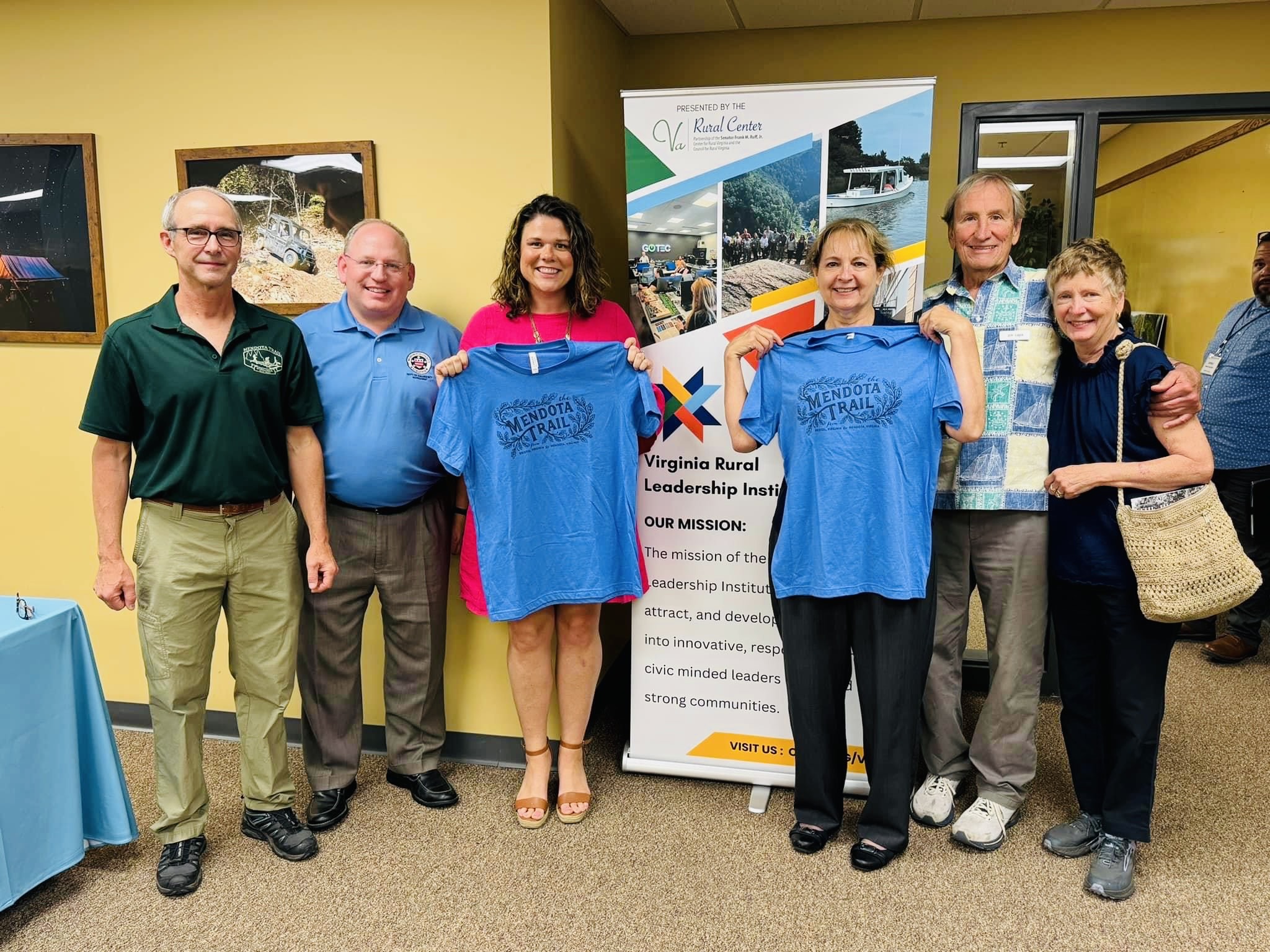
Before heading to Bristol for check-in at the historic Sessions Hotel, cohort members had the unique opportunity to hear from Jerry Grantham with the Mendota Trail Conservancy. He provided an insightful overview of the trail’s history and its significance to the region, highlighting what visitors can expect when exploring this scenic corridor.
Following the presentation, cohort members experienced the trail firsthand, taking in its tranquil countryside, forests, and creeks along the gentle grades between Bristol, Virginia and Mendota, Virginia. While they did not traverse the full 12.5 miles, the experience offered a glimpse into the vital role that trails like the Mendota play in enhancing quality of life and fostering vibrant communities. By providing accessible outdoor recreation and connecting people to the natural beauty of the region, such trails contribute to the social, economic, and environmental well-being of the area.

Day 1 concluded with dinner at Michael Waltrip Brewing Co. where cohort members and several VRLI alumni were welcomed to Bristol by Delegate Israel O’Quinn (District 44), the evening’s keynote speaker. He emphasized the importance of being a strong advocate for one’s community, sharing his commitment to ensuring that Southwest Virginia is well represented in Richmond.

Delegate O’Quinn discussed his dedication to various business and philanthropic initiatives, with a particular focus on expanding educational opportunities for children—a priority that underscores his deep belief in the power of education to shape the future of the region. O’Quinn’s remarks highlighted the critical role that effective advocacy plays in advancing the interests of a community, ensuring that its unique needs and aspirations are heard and addressed at the highest levels.
Day 2 | July 18, 2024
Day 2 began at Blackbird Bakery, where cohort members gathered for breakfast before embarking on a guided tour of downtown Bristol, led by Vice Mayor Jake Holmes. As Vice Mayor Holmes led the group through the bustling downtown area, he highlighted the success of the revitalization efforts that have transformed Bristol into a thriving community. With over 60 businesses, the downtown offers a diverse array of experiences, from more than 20 restaurants and several craft breweries to clothing shops, antique stores, museums, art galleries and specialty shops. This resurgence has attracted a steady stream of visitors, contributing to the area’s ongoing growth.
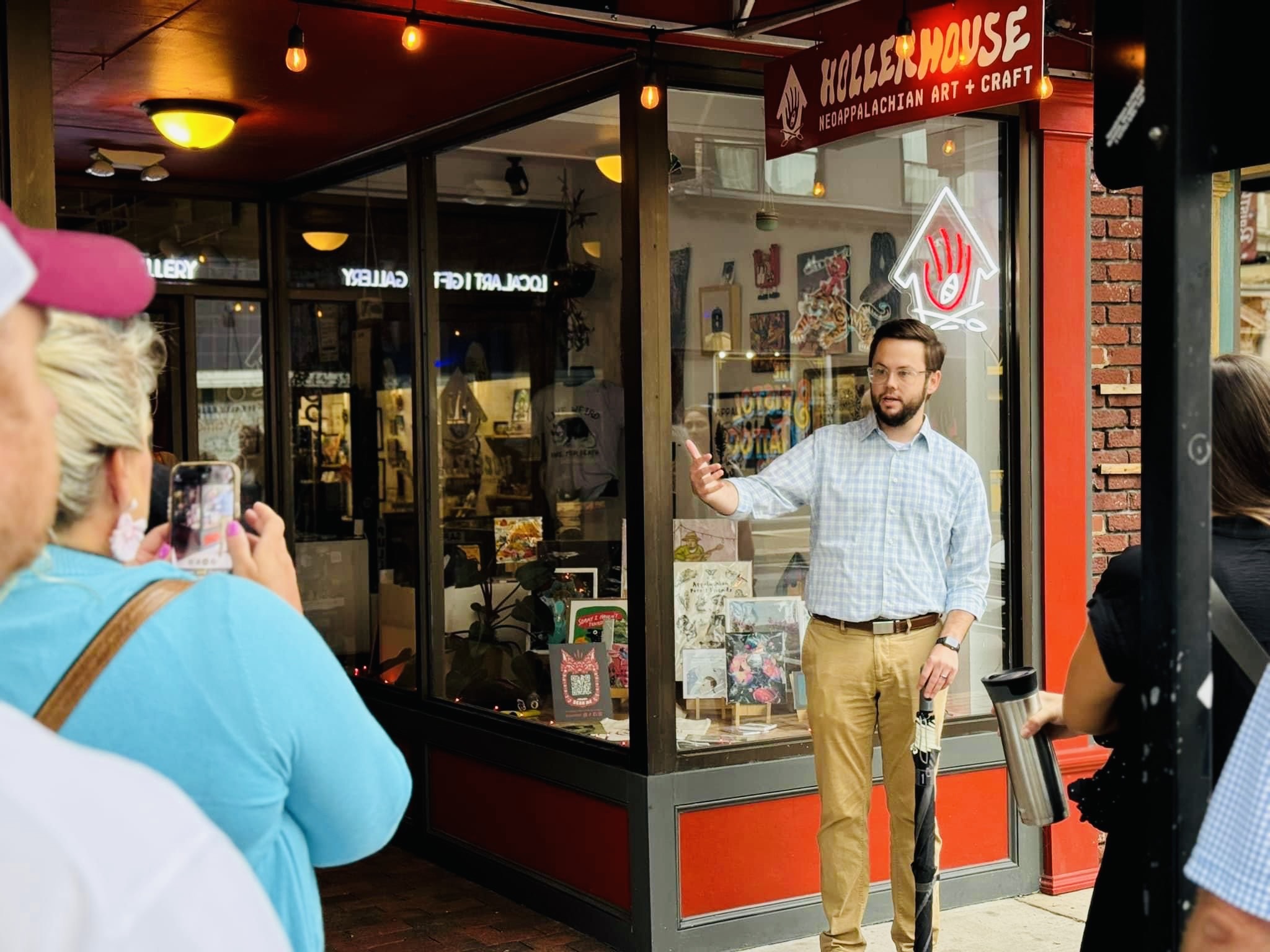


During the tour, cohort members visited Fina Florals, where they heard directly from a small business owner about the support provided by the City of Bristol and the local Main Street organization, Believe In Bristol (BIB). This collaboration has fostered an environment where businesses can flourish, demonstrating the positive impact of community-driven initiatives. The tour also included a stop on State Street, where cohort members captured the unique experience of standing on the state line between Virginia and Tennessee – a symbolic reminder of Bristol’s distinctive character, with two states sharing one vibrant, unified downtown.

After exploring downtown Bristol, cohort members returned to the Sessions Hotel to hear from a variety of speakers, with a scheduled visit to the Birthplace of Country Music Museum offering a cultural interlude.

The first speaker of the day was Dr. Keith Perrigan, Superintendent of Washington County Public Schools. Dr. Perrigan spoke about the pivotal role of education as a foundational element in developing local talent and fostering economic vitality in rural communities. He emphasized that by leading, teaching and learning with integrity, while prioritizing effective communication, innovation and individual student growth, communities can build vibrant futures. Dr. Perrigan stressed that providing a safe and nurturing environment for students is essential to helping them reach their full potential, ultimately contributing to the long-term prosperity of the region. His message highlighted the limitless possibilities for schools and children when education is prioritized as a key driver of community development and economic resilience.

Continuing to focus on key drivers of community development and economic resilience, Shannon Blevins, Vice Chancellor of Government Relations and Strategic Initiatives, and Randall Rose, Associate Vice Chancellor for Community and Economic Development, from the University of Virginia’s College at Wise (UVA Wise), shared insights with cohort members on rural capacity building and the power of storytelling. They highlighted how the Office of Community and Economic Development at UVA Wise actively supports SWVA through strategic partnerships, bridging the resources of the University of Virginia with opportunities in the region. As a thought leader in the region, they’re instrumental in developing strategic plans and initiatives that strengthen the talent pipeline and bolster economic growth in Southwest Virginia.

Blevins and Rose highlighted how effective storytelling can engage communities, promote collaboration and serve as a catalyst for positive change. By harnessing the unique stories that define a community, storytelling not only celebrates its individuality but also unifies its message, creating a compelling narrative that resonates with both residents and outsiders. Cohort members learned the importance of focusing on visuals and optics, and identifying key influencers or “sparkplugs” who can ignite interest and involvement. When building capacity to drive positive change, a well-crafted story has the power to draw people in, making them part of the community’s journey and contributing to collective success.

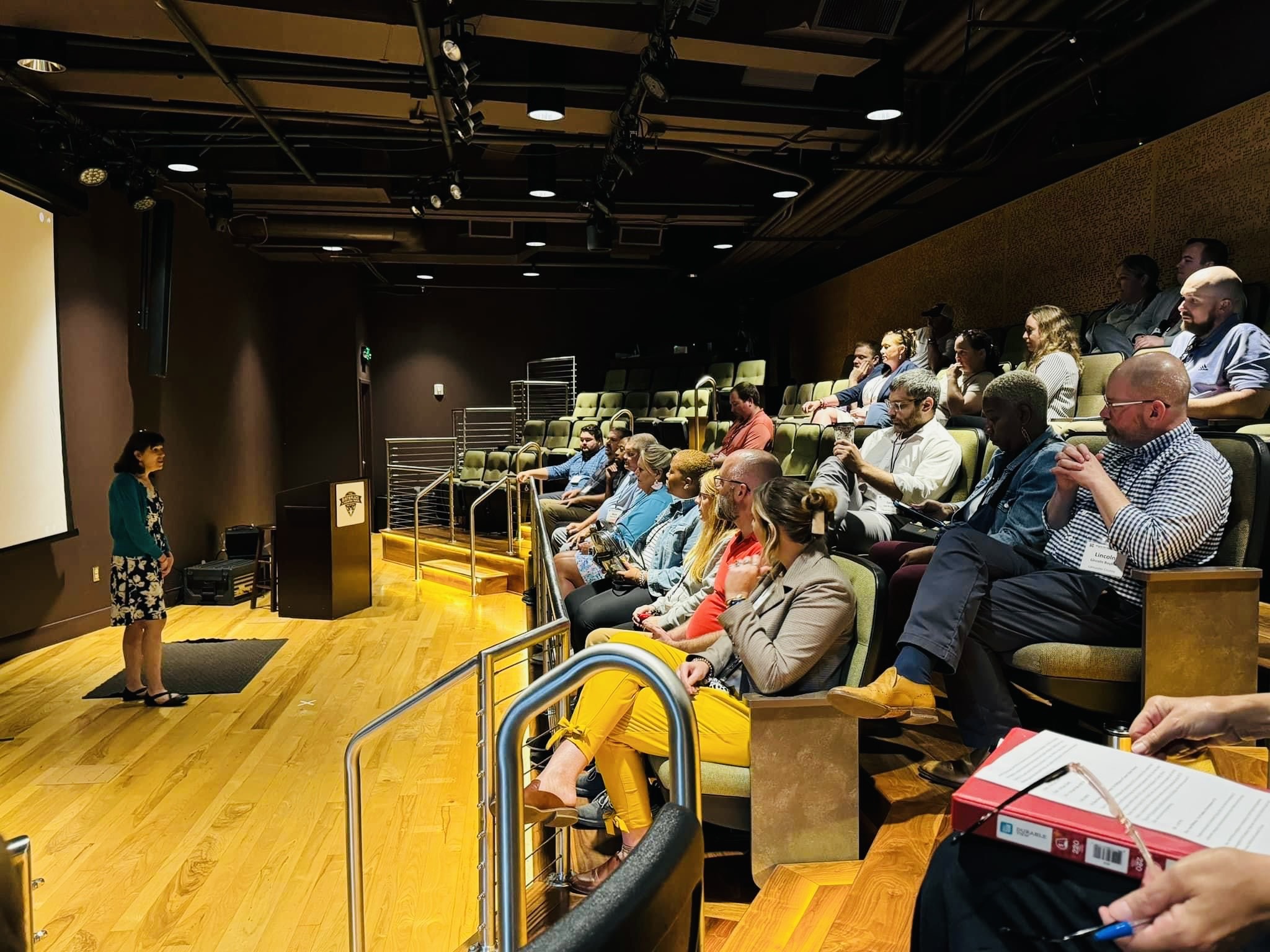
After a delicious lunch catered by Southern Craft, cohort members visited the Birthplace of Country Music Museum where Rene Rodgers, Head Curator, highlighted how the museum not only celebrates Bristol’s rich musical heritage but also serves as a key driver of economic growth for the region. As an affiliate of the Smithsonian Institution, the museum plays a vital role in preserving and promoting the legacy of the 1927 Bristol Sessions – seminal recordings that marked the “big bang of country music” and continue to influence contemporary music. Through a theater presentation, interactive displays and stationary exhibits, cohort members saw firsthand how the museum brings the story of these historic recording sessions to life and why the Birthplace of Country Music Museum has elevated Bristol’s status as a pivotal location in the history of American music, drawing recognition and visitors from far and wide.


To wrap up the afternoon, cohort members engaged with several key groups driving new business investment and expanding access to education and economic opportunities in Southwest Virginia. Featured speakers included Mary Anne Holbrook, Vice President of Development at EO, Amanda Cox and Jake Holmes, External Affairs Managers with Appalachian Power, and Will Payne, Managing Partner at Coalfield Strategies. Each speaker emphasized the importance of translating vision into action, showcasing how their organizations are making a tangible impact on communities across the region.


These groups, along with their private, public, and philanthropic partners, are leading efforts in renewable energy, workforce innovation, education, and wellness. By researching, piloting, and scaling bold ideas, they are developing solutions that enhance the quality of life for all residents of Southwest Virginia. Central to their approach is leveraging community input and fostering cross-sector collaboration, ensuring that the voices of local communities are heard and integrated into the strategic initiatives that will shape the region’s future.

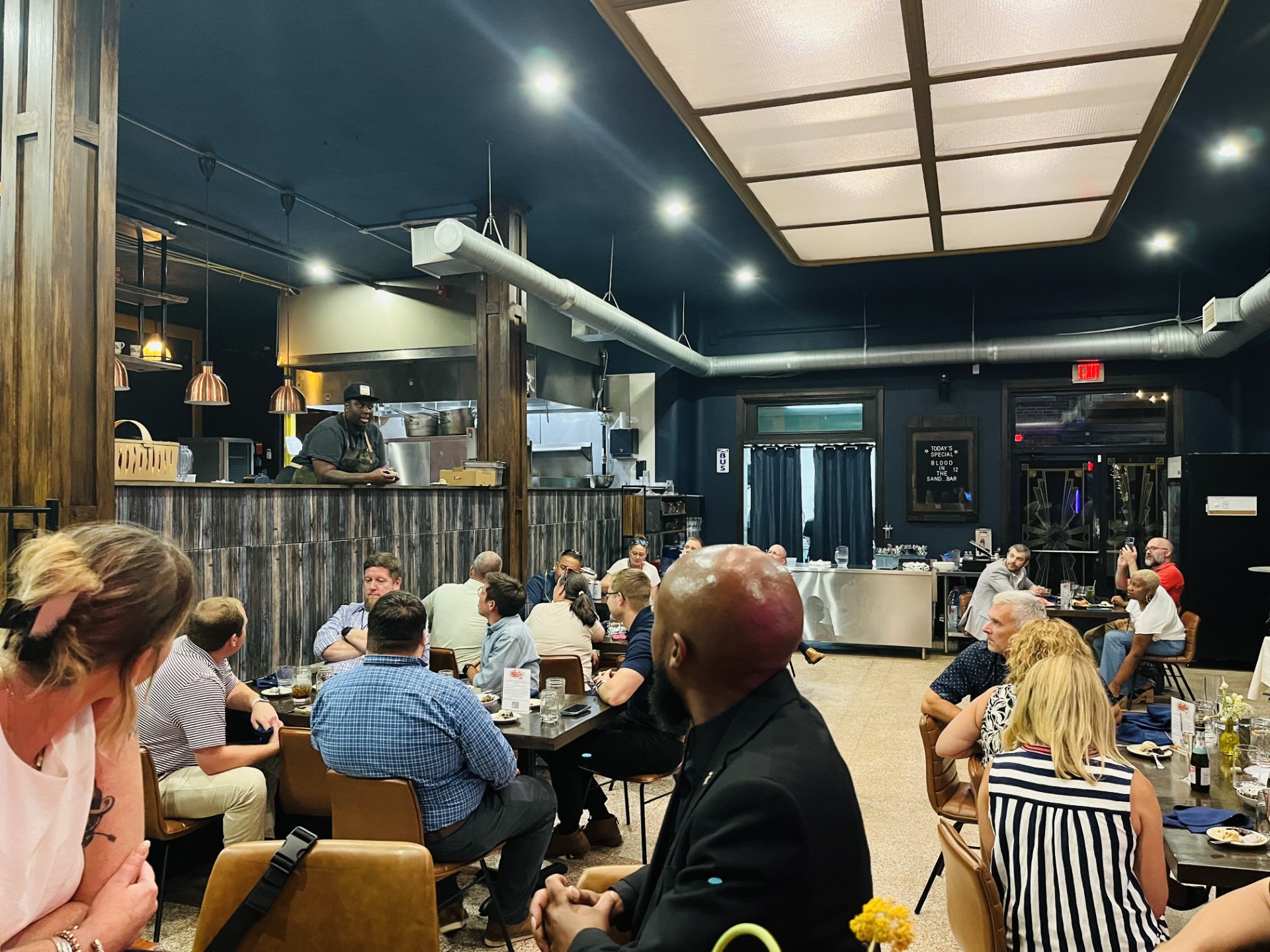
The day concluded with a memorable dinner at Union 41, a distinguished culinary destination in downtown Bristol that reconnects the family and farm through its dining experience. Cohort members had the privilege of meeting Chef T, a highly respected figure in the food service industry, and learned more about her inspiration, which stems from a deep connection to her roots and a commitment to bridging the gap between the family and farm.
Her mission is to create a dining experience that honors the rich flavors of the African diaspora while incorporating seasonal Appalachian ingredients, all enhanced by her professional expertise. Chef T’s impressive credentials include being the runner-up on Hell’s Kitchen Season 14 and a veteran of Hell’s Kitchen Season 18, along with other notable television appearances. Her work at Union 41 reflects her dedication to celebrating cultural heritage through innovative cuisine.

Day 3 | July 19, 2024
The final stop for Session 2 was the Town of Marion, where cohort members gathered for breakfast (catered by Sisters Cafe) and were joined by State Senator Travis Hackworth (District 5). During his remarks, Senator Hackworth shared insights into his background and his unwavering commitment to preserving the way of life in Southwest Virginia. He emphasized his dedication to creating better-paying jobs, promoting tourism and industry, prioritizing first-class education and investing in infrastructure that will support the region’s future.

Senator Hackworth underscored the belief that none of these goals can be achieved without strong partnerships and bipartisan collaboration. He stressed that “we’re in this together,” highlighting the importance of working across the aisle to ensure the continued prosperity and well-being of Southwest Virginia. His remarks reflected a deep sense of responsibility to the community and a commitment to building a brighter future for all – something all cohort members share!

Following breakfast, cohort members had the opportunity to hear from Ken Heath, Director of Community and Economic Development for the Town of Marion, and Charlie Harrington, Executive Director of the Marion Redevelopment and Housing Authority. Both local leaders discussed the shared vision of the Town of Marion and the innovative programs they are implementing to challenge the status quo.
A key initiative highlighted was the community’s strategic approach to providing affordable housing, which is vital for the future stability and success of Marion. This initiative is embodied in Project BAUD (Blighted, Abandoned, Underutilized, and Derelict), a comprehensive program designed to address every aspect of public and private properties—both residential and commercial—throughout the town. The objective of Project BAUD is to identify and resolve issues that prevent properties from being used to their best and highest potential.

By systematically targeting areas where improvements, whether large or small, can yield significant benefits, Project BAUD aims to enhance livability, stabilize property values, and improve overall community health. The project is centered on providing incentives to restore houses on vacant lots, returning those lots to the tax rolls, and ultimately placing people back in homes. Through these efforts, Marion is actively working to create a more sustainable future for the community.
Before leading cohort members on a tour of downtown Marion, John Clair, Chief of Police, took a few minutes to discuss how police and community engagement is crucial for fostering a vibrant and safe community. By building trust, mutual respect and open communication between law enforcement and residents, communities can work together to address concerns, prevent crime and enhance public safety. This collaboration not only helps to create a sense of shared responsibility for community well-being but also ensures that policing efforts are responsive to the unique needs of the community.


In addition to touring downtown Marion and visiting local businesses like Sisters Cafe and Ammi’s Barbershop, cohort members had the opportunity to explore the Lincoln Theatre, a beautifully restored venue featuring the distinctive Mayan Revival architectural style. Since its reopening in 2004, the Lincoln has been a cornerstone of year-round entertainment and live music in Southwest Virginia. The tour, led by Bob Watkins, Executive Director of the Lincoln Theatre, and joined by Suzanne Jennings, Board President, offered cohort members a behind-the-scenes look at this historic gem.

Originally constructed in 1929 as Southwest Virginia’s premier “movie palace,” the Lincoln Theatre has long served as a vibrant community hub. Stepping into the main auditorium is like stepping back in time, with its red velvet seats and elaborate bas-relief glyphs that adorn the walls and proscenium, evoking the grandeur of an ancient Mayan temple. Additionally, six large murals depicting scenes from American and local history add to the theater’s unique charm. Cohort members were reminded that historic theatres like the Lincoln play a vital role in downtown revitalization efforts, serving not only as cultural landmarks but also as catalysts for economic development and community engagement.


The tour of the Lincoln Theatre marked the conclusion of Session 2, leaving cohort members enriched with new ideas and inspiration to bring back to their communities. Over the course of three engaging days, participants were immersed in the unique cultural and economic landscapes of Abingdon, Bristol and Marion, gaining invaluable insights into effective community leadership and development. The experiences and lessons learned during this session were truly eye-opening, equipping cohort members with a deeper understanding of how to foster growth and vitality in their own communities. As they return home, they do so as more knowledgeable and inspired leaders, ready to apply the skills and perspectives gained to make a meaningful impact.
Session 3 will take place in the Middle Peninsula and Northern Neck on September 11-13, 2024. Stay tuned for highlights and to learn more about what VRLI cohort members are learning this year!
 Virginia Main Street