For local Main Street organizations, cultivating a strong, collaborative board is essential to the success of downtown revitalization efforts. When board members work together cohesively, they bring diverse perspectives, foster creative problem-solving and build consensus on priorities that align with the community’s needs. A well-functioning board also creates a unified vision, strengthens partnerships and increases organizational capacity, all of which are essential for sustaining long-term growth and development in the downtown district.
One effective way to foster stronger relationships and build a positive board culture is by changing up the location and format of board meetings. Alternating between the traditional boardroom setting and more informal venues, such as restaurants or active project sites, offers several key benefits.
First, meeting in different settings allows board members to engage with one another in fresh ways. Informal environments, like a local restaurant, promote open conversation and help break down the formality often associated with typical board meetings. This setting encourages members to connect on a personal level, strengthening camaraderie and trust—critical elements for a well-functioning board.
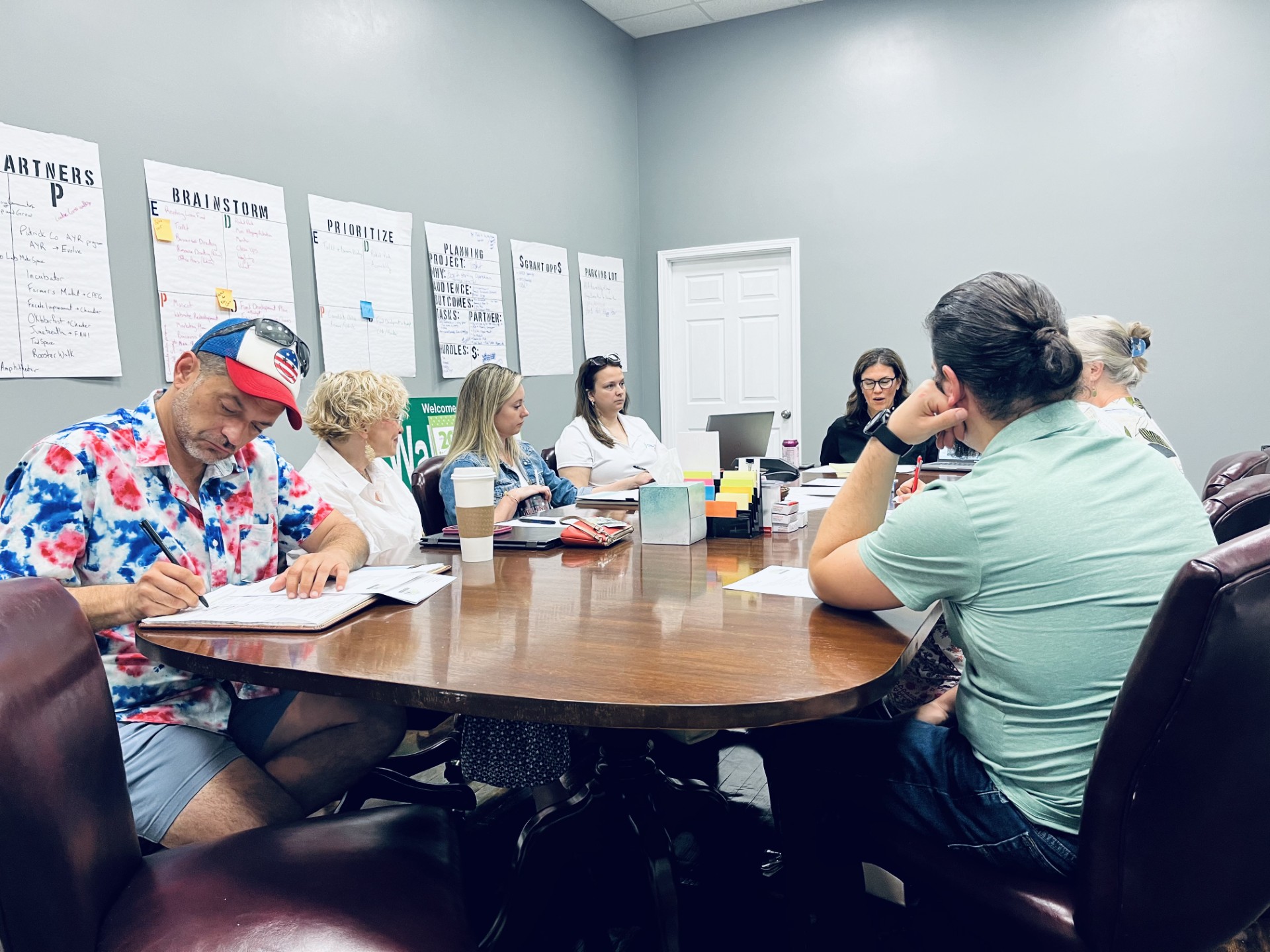
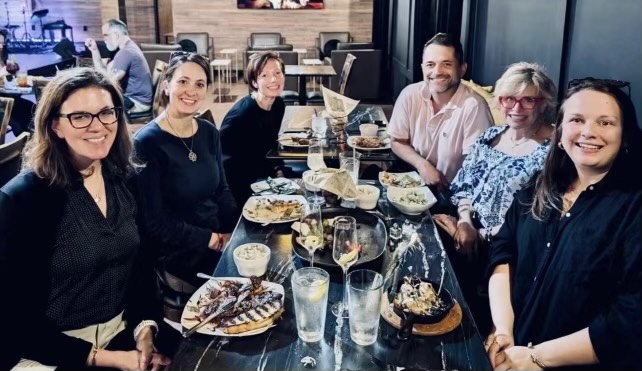
As an example, Uptown Partnership (UP) in Martinsville, VA varies its board meeting locations each month to maintain engagement. In August, the board convened in the boardroom at the UP office, while in September, the meeting was held at the TAD Tavern, an upscale dining restaurant in the Uptown district. This approach has not only facilitated discussions on organizational matters but also fostered camaraderie among board members in a more relaxed setting.
Additionally, hosting meetings at building sites or key downtown areas provides board members with a direct view of the revitalization work in progress or areas of opportunity. Seeing the projects firsthand can spark meaningful discussions and inspire more creative problem-solving. It also helps ground the board’s decision-making in the realities of the community they serve, leading to more informed governance.
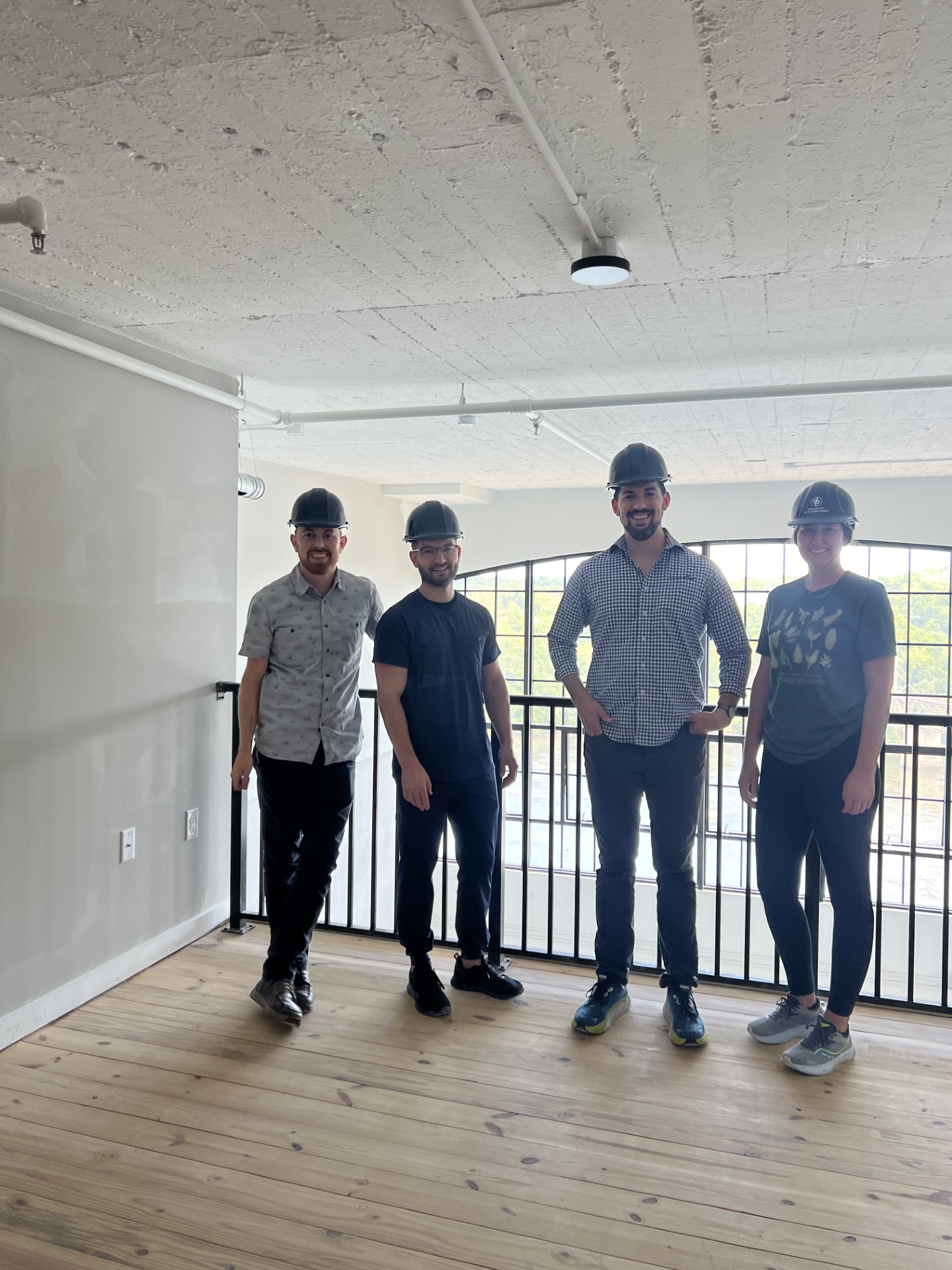
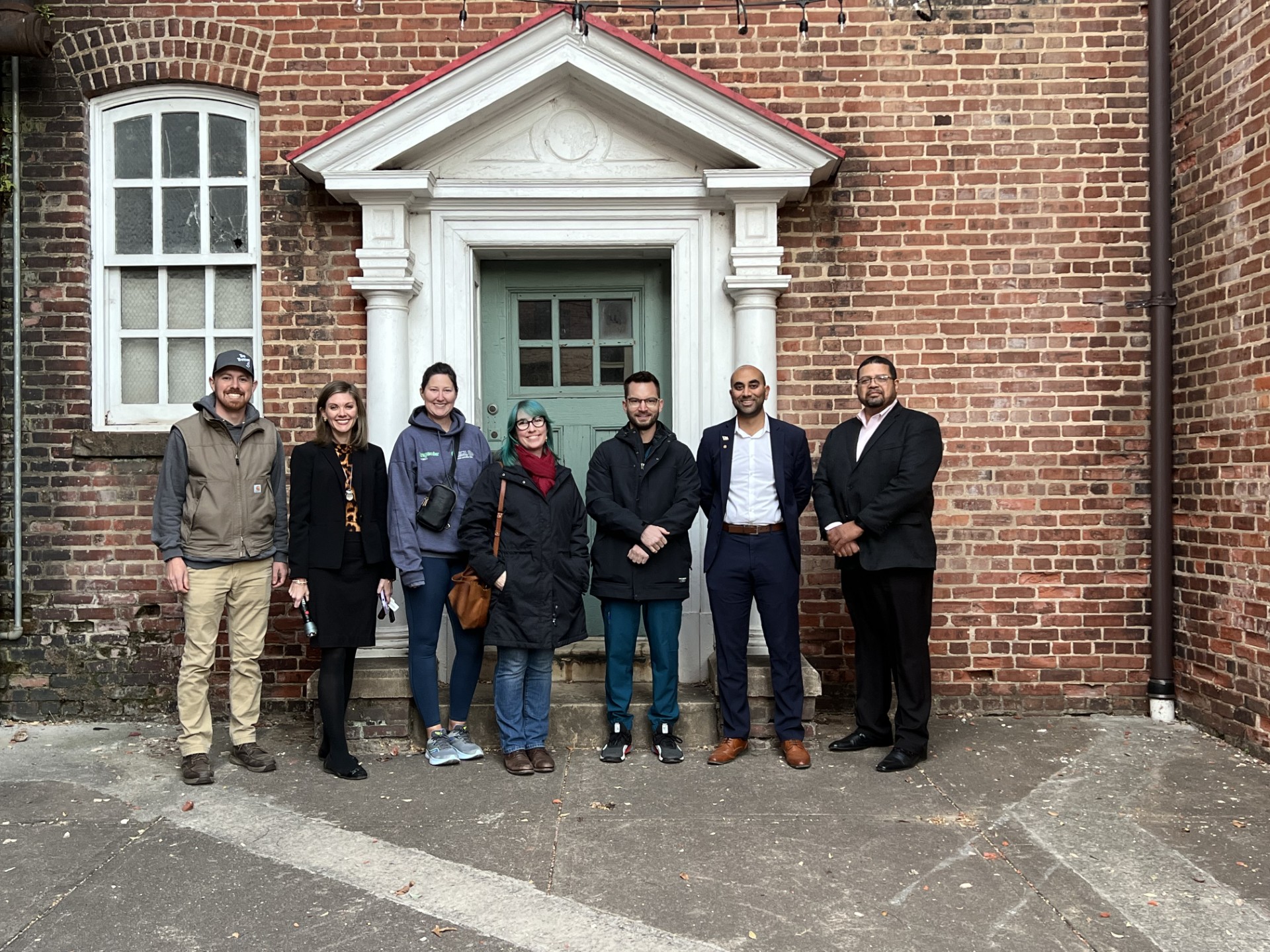
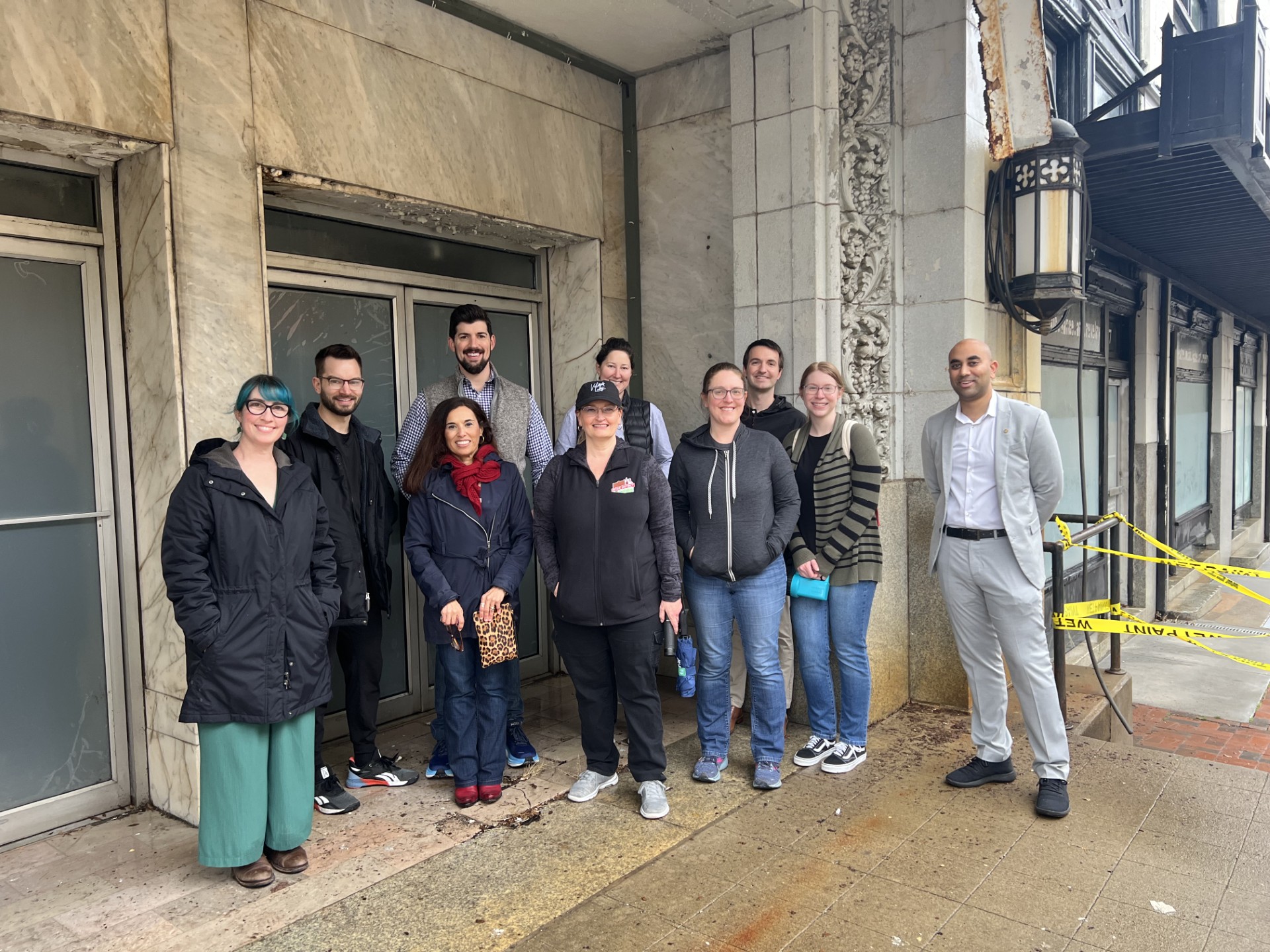
The River District Association (RDA) hosts a bimonthly “not a board meeting” event between formal board sessions. In recent months, RDA board members have toured key redevelopment projects in the River District, including Dan River Falls, formerly the White Mill, the Imperial Warehouse project—a mixed-use rehabilitation of a former tobacco warehouse—and the restoration of the historic Masonic Temple downtown. These site visits have provided valuable insights into ongoing revitalization efforts and strengthened board members’ understanding of community development initiatives.
“Our board realizes the value of meeting both inside and outside the boardroom to tour projects in the district, build in opportunities for direct engagement with property owners, and expand their knowledge base on property development. It has been a wonderful way to foster more connected relationships internally as well.” – Diana Schwartz, River District Association CEO
Ultimately, changing up board meeting locations enhances both the governance of the Main Street organization and the relationships between those leading the charge. As members grow closer and better understand their shared vision, they can more effectively work together to bring new energy to downtown.
Image Credit (UP Board Members): Courtesy of Uptown Partnership
Image Credit (RDA Board Members): Courtesy of the River District Association
 Virginia Main Street