As a participant in the Virginia Rural Leadership Institute’s (VRLI) 2024 Cohort, Zachary Whitlow, Community Vitality Program Administrator for the Department of Housing and Community Development, (DHCD) provides an overview of the fourth and final VRLI session of the year, which was held in the Staunton, Virginia on November 14-16, 2024.
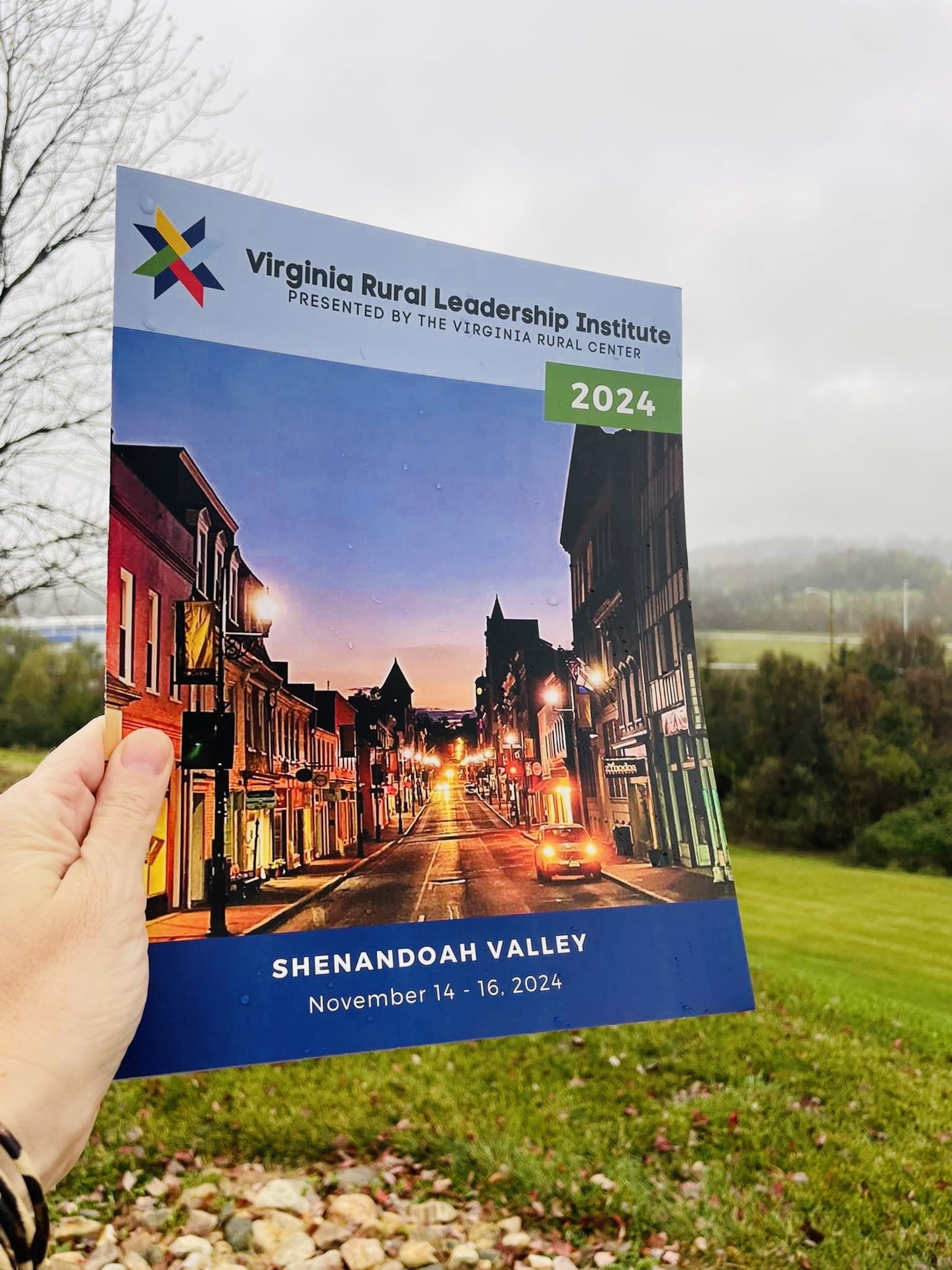
The Virginia Rural Leadership Institute (VRLI) held its fourth and final session of the year in the picturesque Shenandoah Valley, specifically in the vibrant city of Staunton, Virginia. While this culminating session offered participants valuable insights to enhance their leadership, community engagement and economic development kills, it was particularly momentous as cohort members celebrated their graduation from VRLI during a special ceremony at Hotel 24 South. The Shenandoah Valley, with its breathtaking landscapes and Staunton’s historic charm, provided an ideal setting to reflect on the year’s achievements and the transformative journey of the program.
Day 1 | November 14, 2024
Cohort members began Day 1 at Farm Credit, a cooperative lending institution dedicated to providing financial services to farmers, rural homeowners, and agribusinesses. The day commenced with an engaging visit from Alex White, a Councilman for the Town of Luray. Elected as the youngest member with the largest midterm lead of any non-incumbent since the introduction of local November elections, Alex brought a wealth of experience and insights to share with cohort members.

Alex shared his inspiring journey of growing up in rural Virginia. From becoming the first person in his small community to enroll at Harvard University as an undergraduate to seeking elected office at a young age, he continues to lead in his community and act as a special advocate for rural areas. He underscored the importance of giving back and emphasized that to make rural Virginia the best place to live, work, and raise a family, active participation in leadership is essential. Alex encouraged everyone, especially younger generations, to engage and strive for a seat at the table, highlighting the critical value of fresh perspectives in driving progress.
Communication has been a central theme woven throughout each VRLI session, and Katie Frazier, Chief Brand Officer at Farm Credit of the Virginias, brought this topic into sharper focus with her presentation on managing difficult conversations. Her insights provided participants with practical strategies for navigating these challenging interactions effectively and thoughtfully.
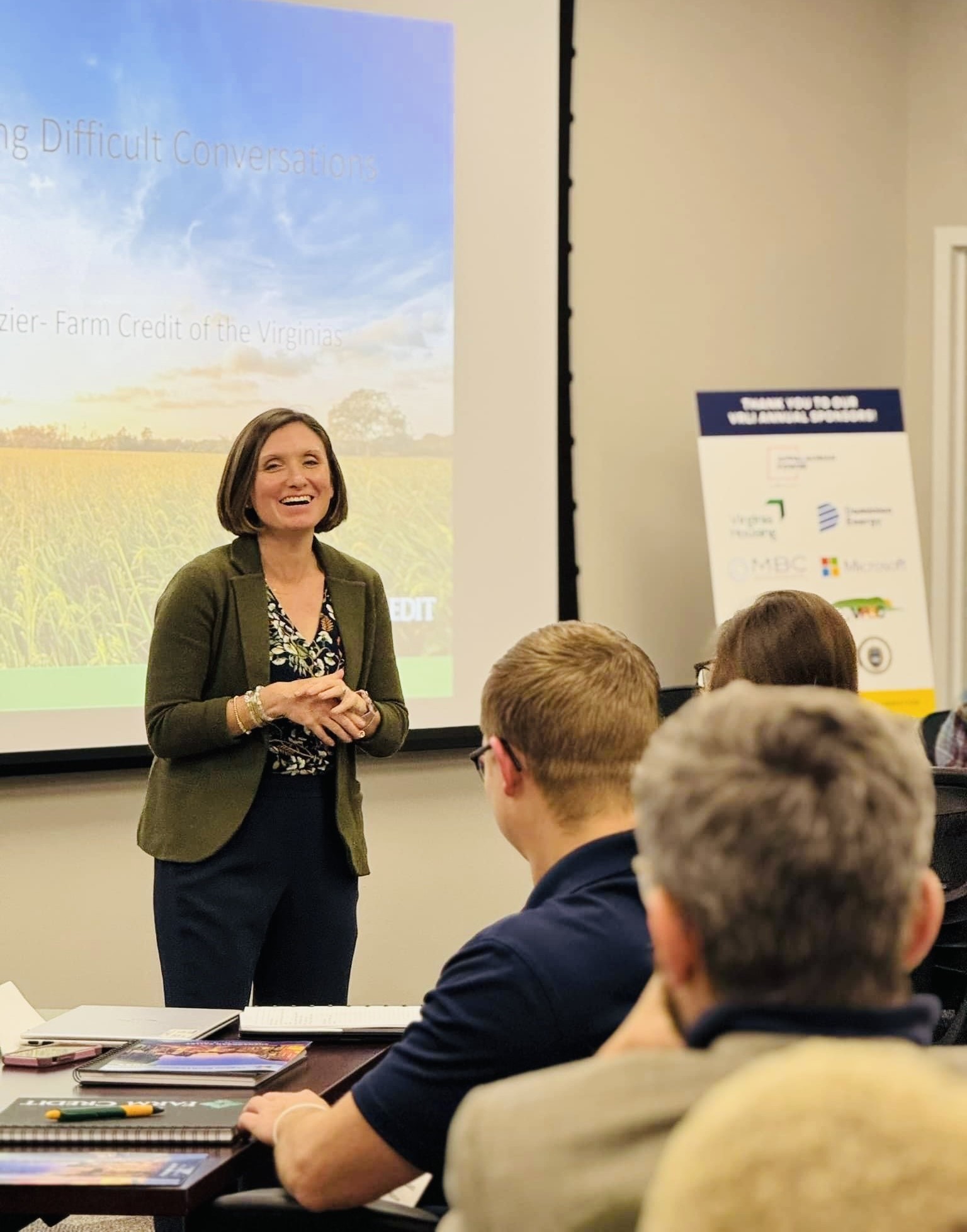
Katie emphasized the importance of self-reflection, encouraging participants to examine how difficult conversations make them feel and to identify the emotions that may arise during such exchanges. She highlighted how personal experiences shape and inform our approach to these situations, often influencing how we respond or react. Through Katie’s guidance, participants explored the value of using past experiences as learning opportunities, allowing them to build resilience and enhance their ability to engage in constructive dialogue. Her presentation reinforced the idea that mastering difficult conversations is an essential skill for effective leadership, fostering better understanding, collaboration, and outcomes in both personal and professional contexts.
After hearing from Alex White and Katie Frazier, cohort members transitioned to Downtown Staunton, where they were welcomed by Delegate Ellen Campbell (District 36), a lifelong resident of Augusta and Rockbridge Counties. In her remarks, she spoke passionately about her commitment to advancing the interests of rural Virginia, highlighting her dedication to addressing the challenges faced by her district. She shared insights from her work on the Speaker’s House Select Committee on Advancing Rural and Small Town Health Care, emphasizing the importance of improving access to quality health services in underserved communities. Her enthusiasm for the Shenandoah Valley and her steadfast advocacy for rural communities resonated deeply with the cohort, reinforcing the value of strong, local leadership in shaping the future of rural Virginia.
In addition to Delegate Campbell, cohort members were greeted by Mayor Stephen Claffey and Darren Smith, Executive Director of the Staunton Downtown Development Association (SDDA). Mayor Claffey expressed his pride in Staunton’s rich history and dynamic community, emphasizing how honored the city was to host VRLI for its final session. Darren echoed these sentiments, highlighting the vibrancy and charm of Staunton’s downtown district, which serves as a shining example of successful community revitalization and preservation-based economic development.
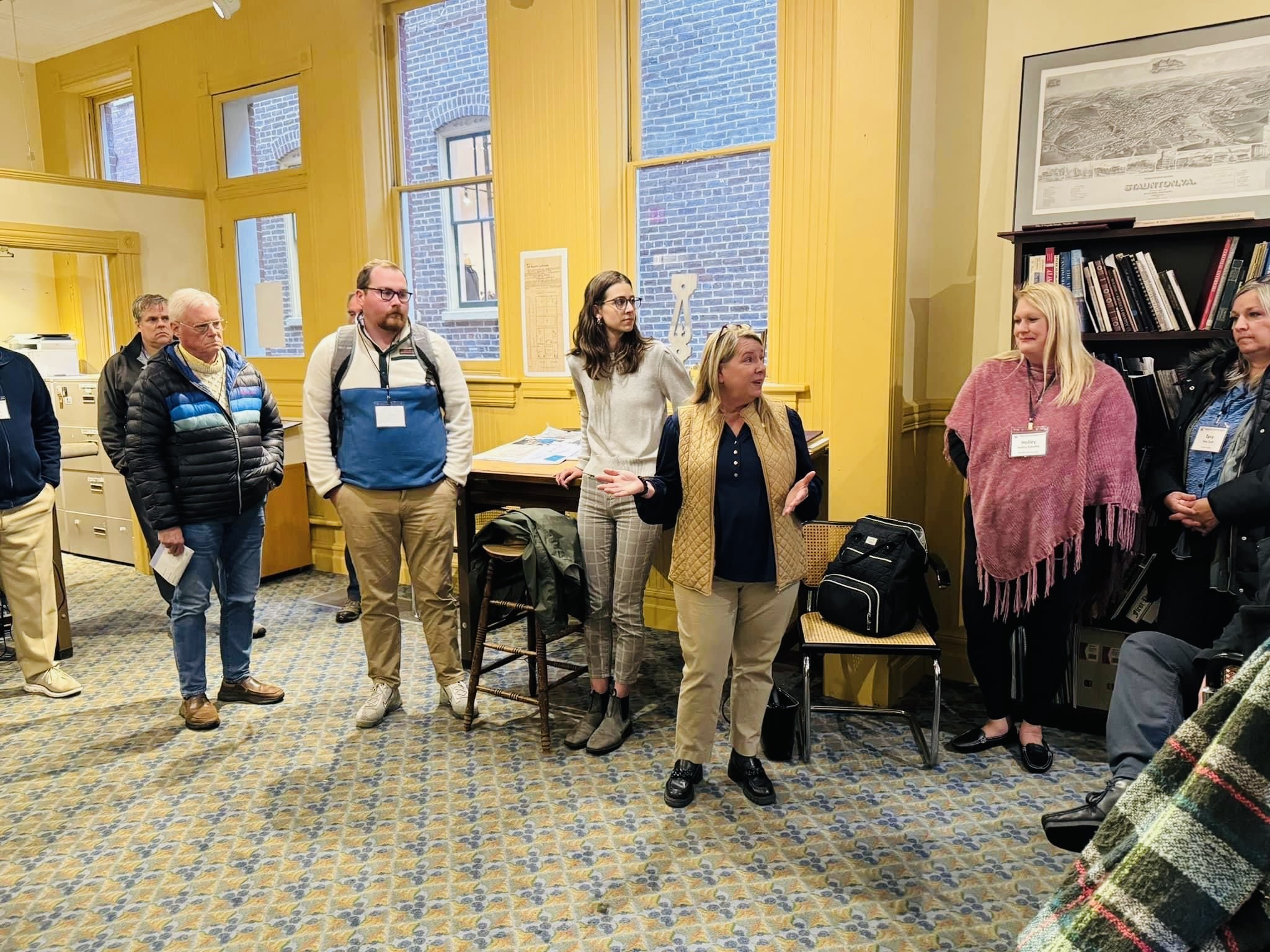

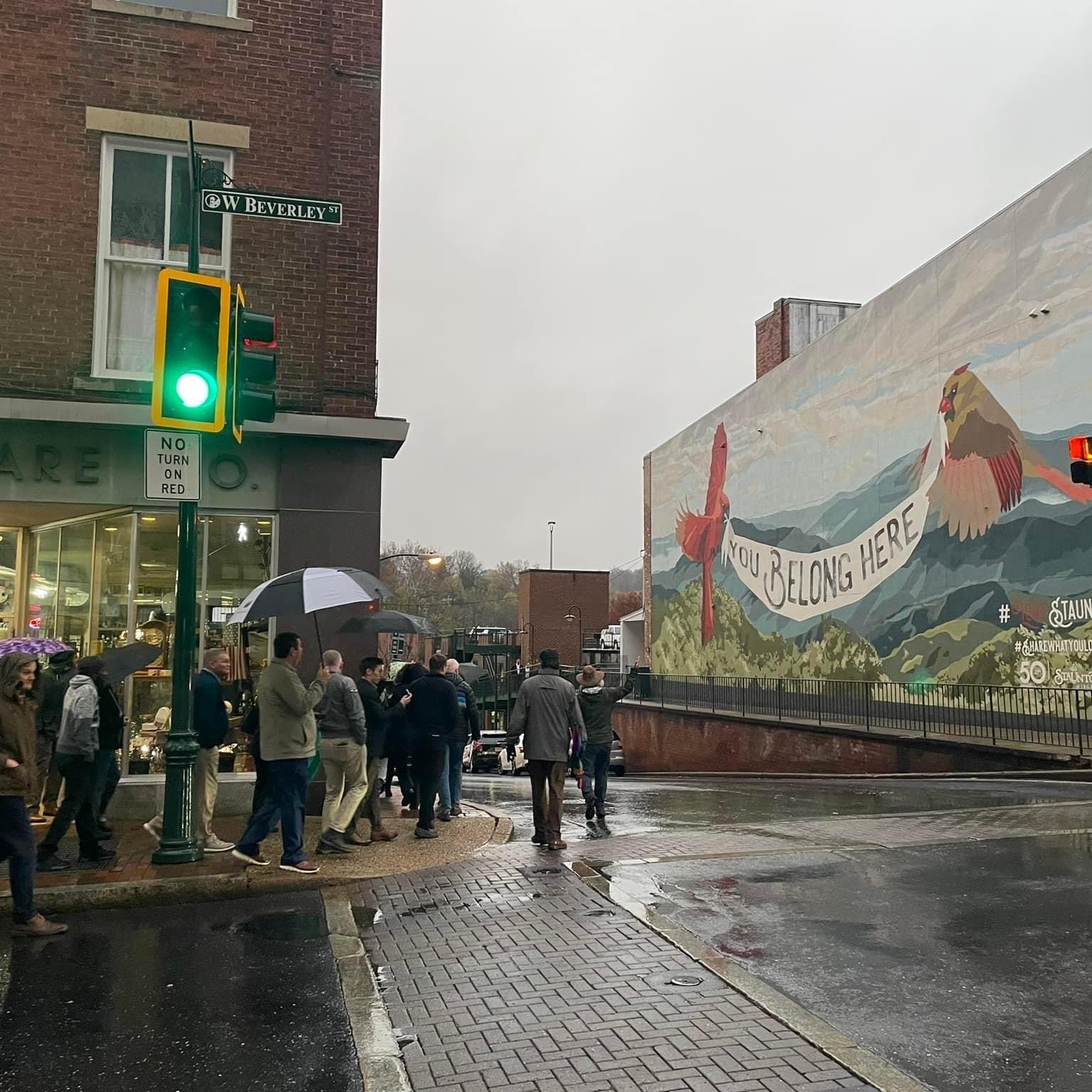
Despite the rainy weather, the beauty and charm of downtown Staunton shone through as cohort members embarked on an enriching tour of the district. The tour was led by Frank Strassler, Executive Director of the Historic Staunton Foundation, and Chip Clarke, a prominent developer and property owner in the area. Together, they guided the group through the streets of downtown Staunton, highlighting its significant architectural styles and sharing captivating stories of the district’s historic buildings, from their original uses to their current roles within the community.
A particular point of interest was Staunton’s unique approach to managing flooding, as Lewis Creek—Staunton’s largest waterway—runs through the heart of downtown before eventually flowing into the Middle River, the South Fork of the Shenandoah River, the Potomac River, and ultimately the Chesapeake Bay. This dynamic feature has shaped both the history and the resilience of the downtown area.
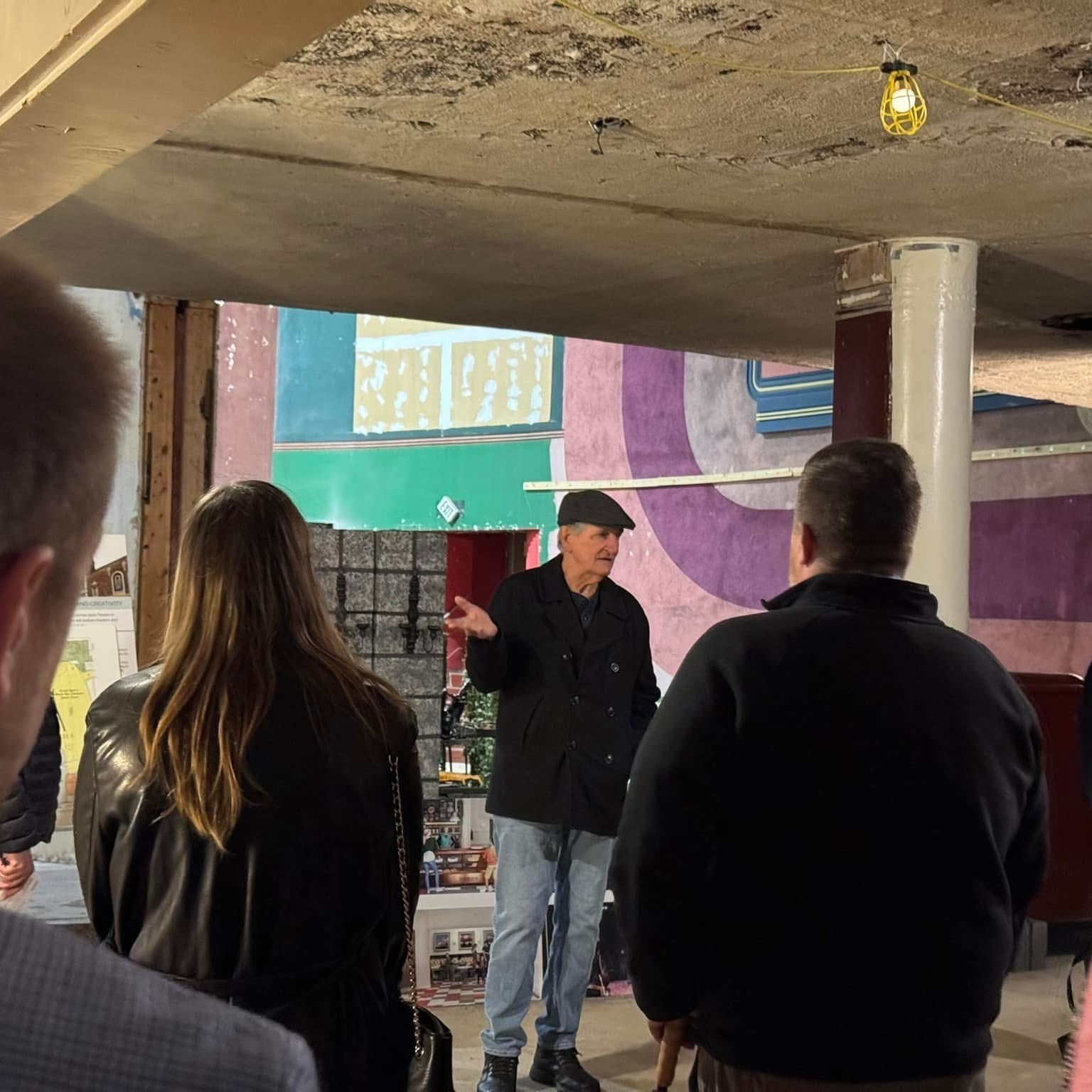
The tour included access to several notable redevelopment projects, most prominently the Arcadia Project. Housed in the former Dixie Theater, this ambitious initiative aims to transform the historic space into a sustainable and adaptive mixed-use facility that honors its storied past while broadening its role as a community hub. Designed to meet a pressing need, the project will provide diverse creative, educational, and enrichment resources for Staunton residents. What began with a $25,000 Virginia Main Street (VMS) Financial Feasibility Grant (FFG) in FY2020 has evolved into an inspiring redevelopment effort. It has garnered millions in funding, including a $1.5 million Industrial Revitalization Fund (IRF) grant from DHCD, demonstrating the power of strategic investment in preserving Staunton’s historic character while meeting modern community needs.

After an afternoon of exploring downtown Staunton, cohort members concluded the day with a delicious dinner at Blu Point Seafood Co. The group enjoyed the opportunity to reflect on the day’s experiences, engage in meaningful conversations, and savor the exceptional cuisine in a warm and inviting atmosphere. The dinner provided a perfect close to a day filled with discovery and inspiration in the heart of Staunton.
Day 2 | November 15, 2024
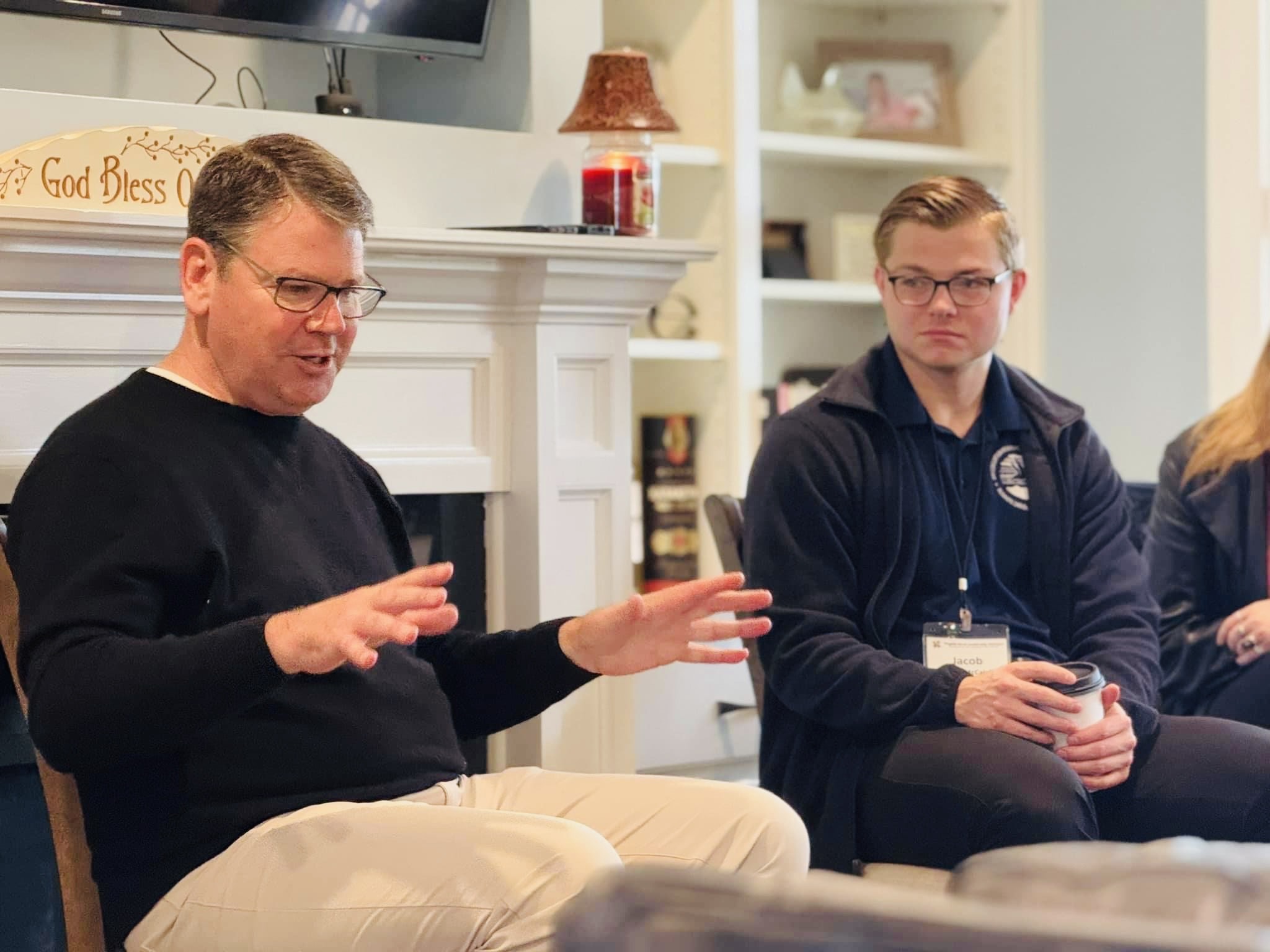
Day 2 began with a unique and memorable opportunity as cohort members visited the Century family farm and home of Virginia’s Secretary of Agriculture and Forestry, Matthew Lohr, in Broadway, Virginia. The visit offered a firsthand glimpse into the agricultural heritage of the Shenandoah Valley and an engaging discussion about emerging trends in agriculture and forestry, with a particular focus on agritourism and its significant impact on rural Virginia.
Secretary Lohr shared his inspiring journey, beginning with his formative experiences as both a state and national officer for Future Farmers of America (FFA), which ignited his passion for public service. A proud graduate of Virginia Tech with a B.S. in Agricultural Education, Secretary Lohr highlighted the importance of cultivating strong relationships and connecting with people to drive meaningful progress in rural communities. Additionally, he provided an overview of his family’s farming operation, Valley Pike Farm, Inc., and its enduring legacy. The visit underscored the critical role of agriculture in shaping Virginia’s economy and communities while offering insights into the opportunities and challenges facing the industry today.

Following the visit with Secretary Lohr, cohort members traveled to Weyers Cave, Virginia, to the Valley Pike Farm Market for lunch and the continuation of afternoon programming. The picturesque setting provided an ideal backdrop for further discussions on rural Virginia’s opportunities and challenges.

Delegate Chris Runion (District 35) welcomed cohort members and seamlessly built upon the themes introduced by Secretary Lohr. He emphasized the importance of fostering connections—whether they are multigenerational ties or simply one degree of separation—highlighting how such interconnections create a foundation for meaningful conversations, even when tackling difficult topics. Delegate Runion underscored that relationships are the bedrock of progress, stressing that for rural Virginia to grow and thrive, strong and collaborative connections among individuals, communities, and industries are essential. This inspiring message resonated deeply with the cohort, reinforcing the importance of cultivating relationships in leadership and community development.
Former Senator and Chair of the Virginia Rural Center, Emmett Hanger, joined the cohort to share his insights on effectively engaging with elected and government officials. Drawing on decades of experience in public service, Senator Hanger emphasized that successful advocacy begins with building strong, authentic relationships. “You want to develop the relationships before you need something,” he advised, underscoring that trust and mutual respect are the foundation of productive interactions with lawmakers.

During his time in the General Assembly, Senator Hanger exemplified this relational approach, leveraging connections to navigate complex legislative processes and address pressing community needs. He also played a pivotal role in helping the Virginia Rural Center refine its strategies for engaging legislators, ensuring the program could effectively advocate for policies that drive positive change in rural communities. His advice served as a valuable reminder of the importance of proactive relationship-building, not only to advance individual initiatives but also to strengthen the collective voice of rural Virginia.
The afternoon concluded with two insightful presentations from Chandler Vaughn, Associate Director for the DHCD Office of Broadband, and Nicole Riley, Senior Vice President of Policy & Strategic Partnerships for the Virginia Economic Development Partnership (VEDP).
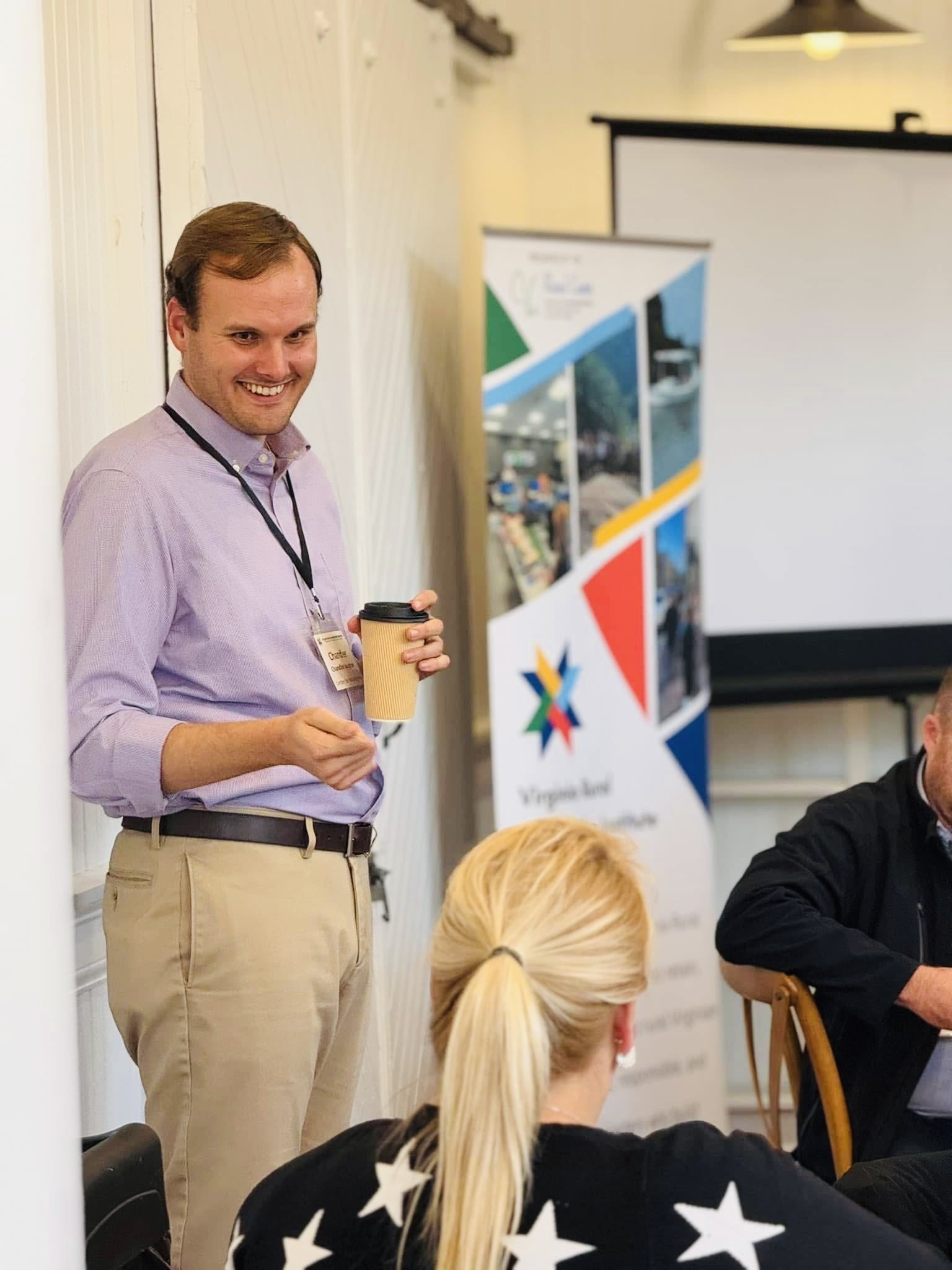
Chandler provided an in-depth update on the state of rural broadband in Virginia, focusing on the transformative potential of the Broadband, Equity, Access, and Deployment (BEAD) Program. With an allocation of $1.48 billion in BEAD funding, DHCD is finalizing plans to extend broadband infrastructure to the remaining unserved areas across the state that currently lack a funded solution for connectivity. Beyond infrastructure, Chandler highlighted the program’s commitment to addressing the critical issues of broadband affordability and adoption, ensuring that long-term investments have a meaningful impact on the accessibility of high-speed internet for all Virginians. These efforts represent a step forward in bridging the digital divide and empowering rural communities with the tools needed to thrive in a connected world.

Following Chandler’s presentation, Nicole delivered an engaging discussion on the significance of rural Virginia within the state’s broader economic development strategy. She emphasized VEDP’s commitment to ensuring that every region, regardless of size or location, has the tools and resources needed to succeed and thrive. Rural communities are integral to the economic fabric of Virginia, and their success contributes to the state’s prosperity.
Nicole also outlined the collaborative efforts that keep Virginia ranked as the #1 State for Business by CNBC, a title that underscores the Commonwealth’s strong economic environment. She highlighted the importance of fostering a business-friendly climate through infrastructure investments, workforce development, and innovative policies that attract and retain industries. Ensuring rural regions are part of this strategy is critical to maintaining Virginia’s reputation as a hub for business success and creating equitable opportunities across all corners of the state.
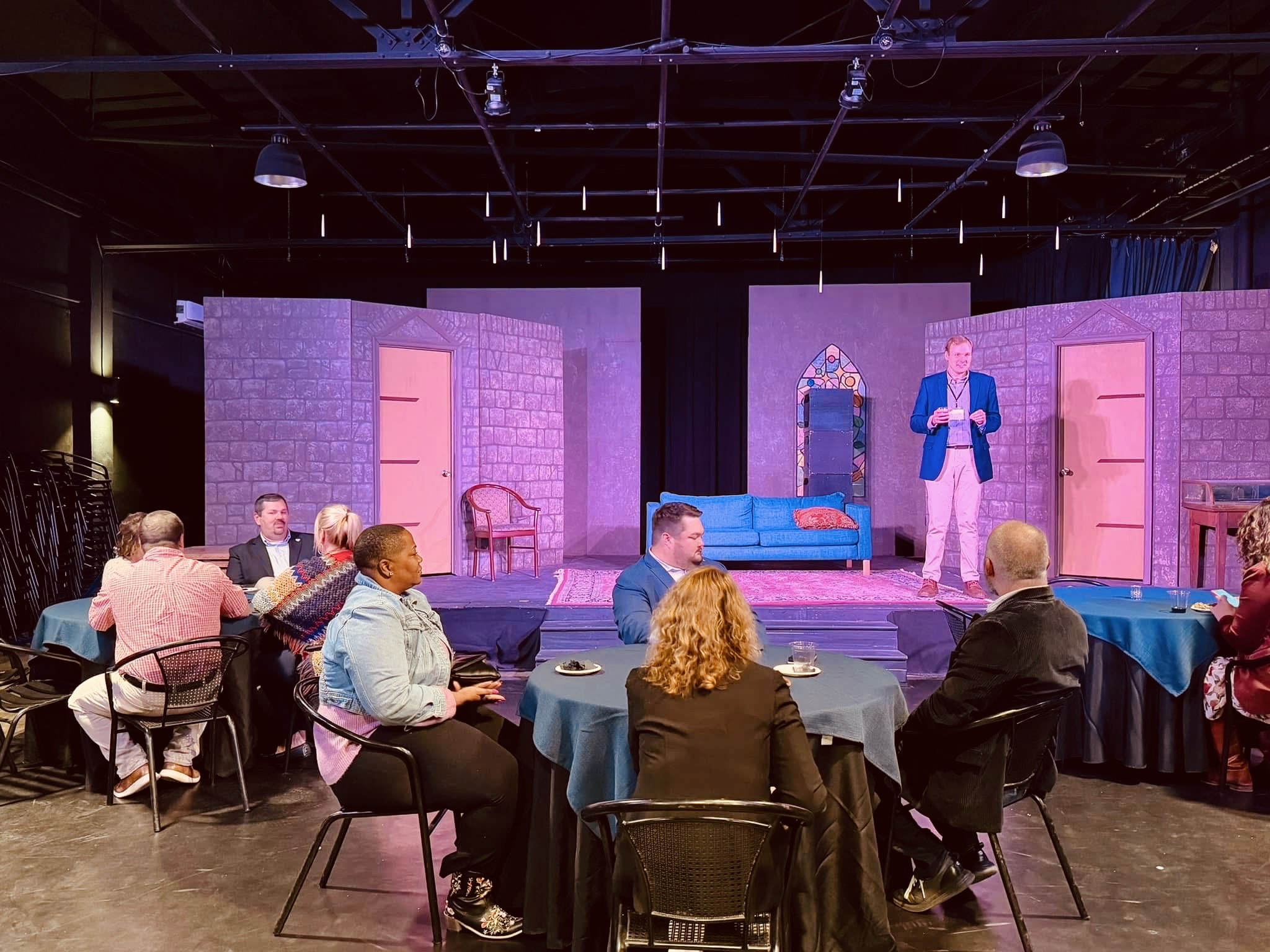
The day concluded with a memorable reception the Silver Line Theatre Exchange, an education-led theatre company offering classes and performance opportunities for students in grades PK-12, and a professional producing body that connects regional professional actors and aspiring artists to performance and teaching work. This gathering provided cohort members an opportunity to connect, reflect on their shared experiences, and celebrate their VRLI journey. Joined by invited guests, everyone enjoyed an evening of camaraderie and inspiration, setting the stage for the following morning’s graduation ceremony.
Day 3 | November 16, 2024
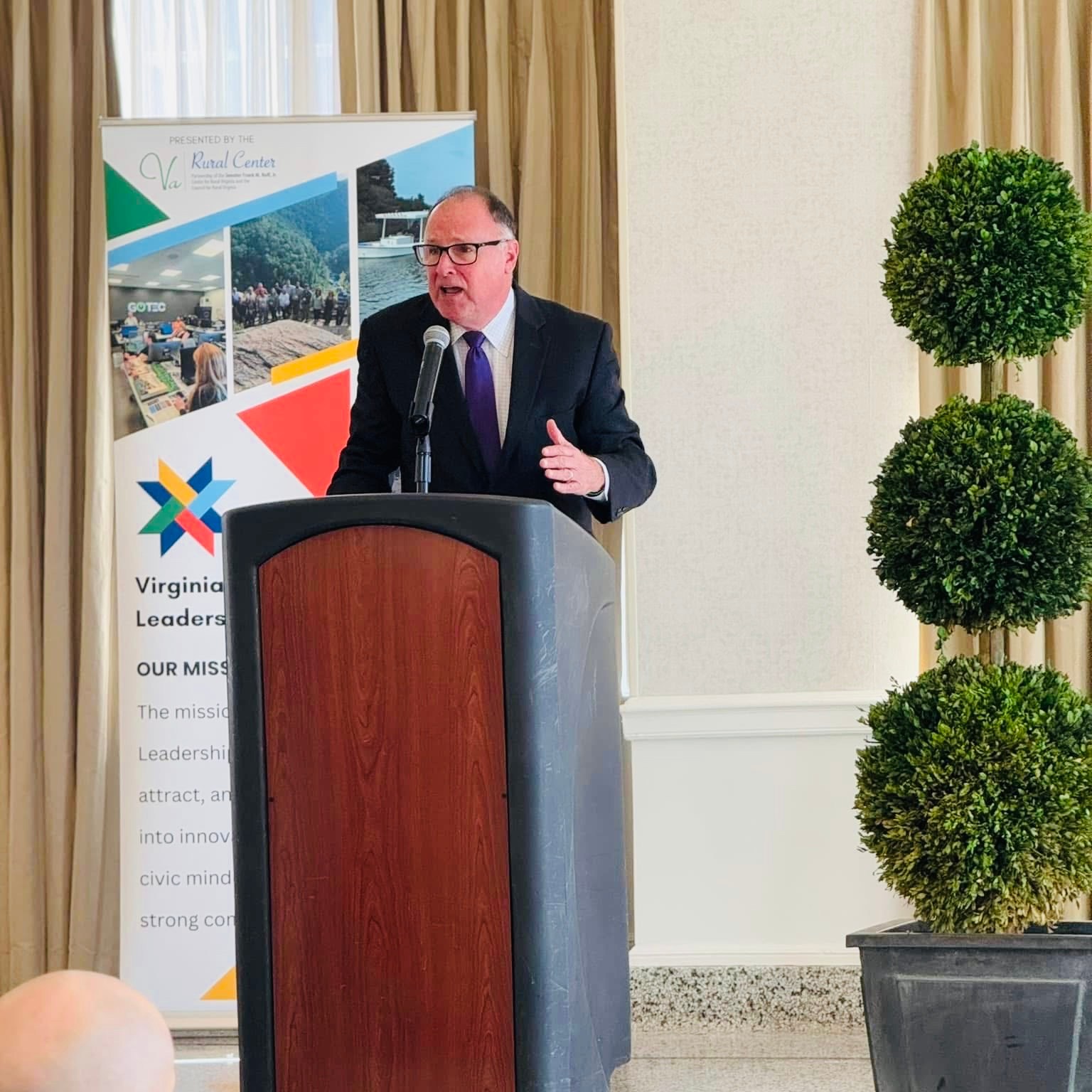
The culmination of a transformative journey had arrived. After four enriching and educational sessions across rural Virginia, cohort members proudly graduated from the VRLI program. The ceremony featured remarks from distinguished speakers, including Senator Creigh Deeds, Chair of the Senator Frank M. Ruff Jr. Center for Rural Virginia. Senator Deeds commended the graduates for their commitment to rural Virginia, encouraging them to build on their experiences and continue driving positive change in their communities.
“I’m thrilled to see that in its third year, the Virginia Rural Leadership Institute continues to make a real impact for both participants and our rural communities. The program equips rural leaders with practical leadership skills, drawn from experts and peer collaboration, while also highlighting swaths of rural Virginia that have stories of success.”
– Senator R. Creigh Deeds, Chair, Senator Frank M. Ruff, Jr. Center for Rural Virginia
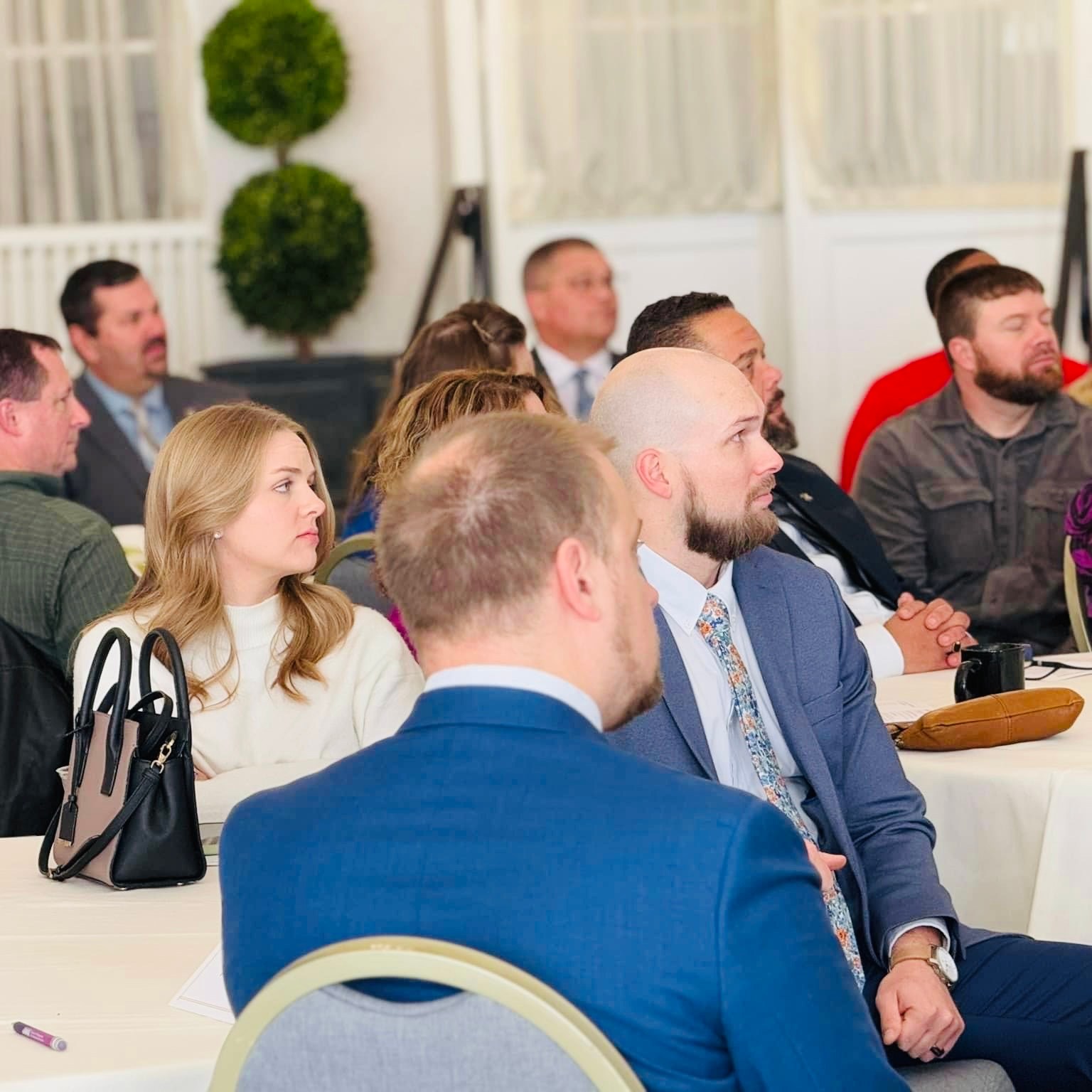
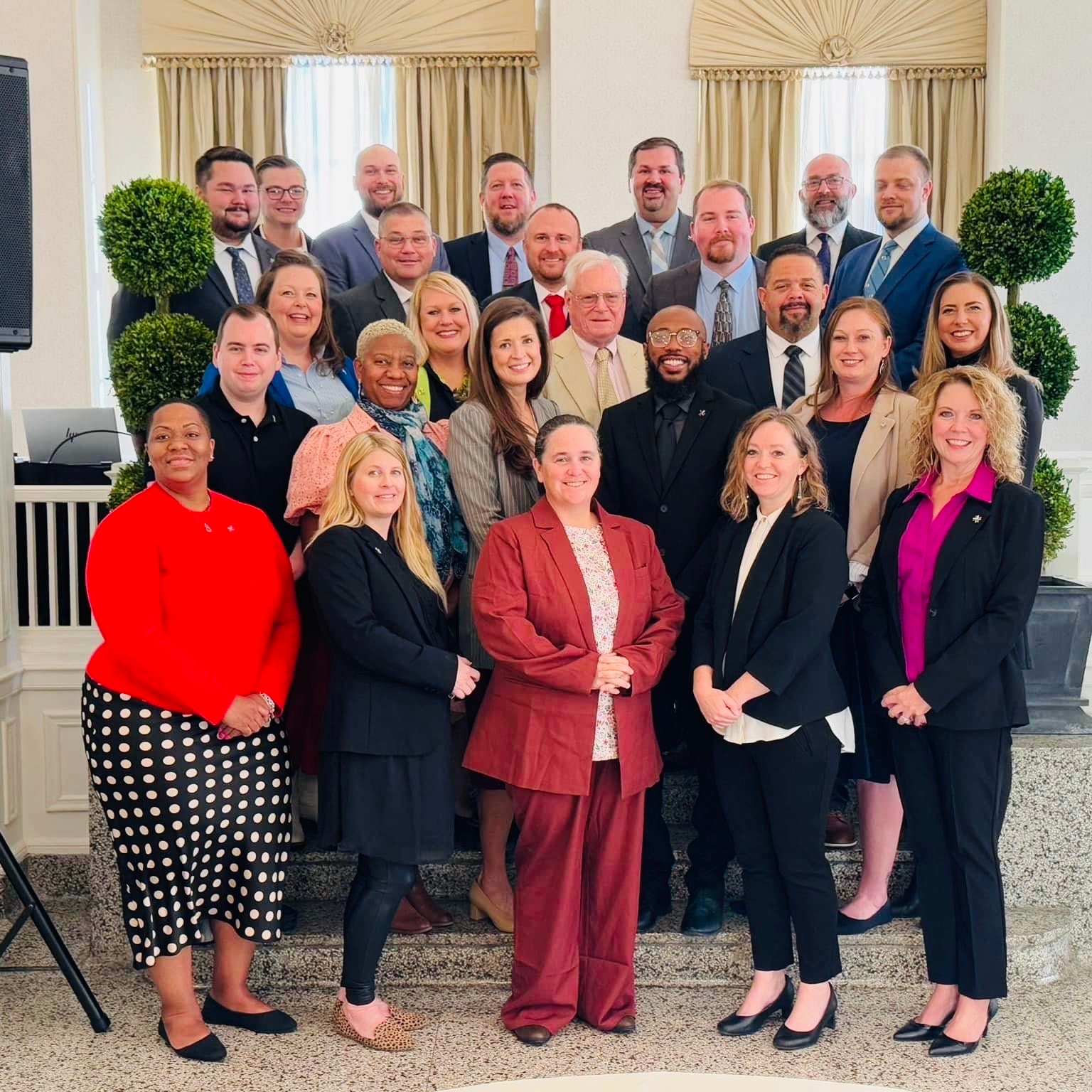
“Over the last several months, VRLI cohort members have had the opportunity to travel through rural Virginia, expanding their knowledge, collaborating with others, and strengthening their abilities to address local challenges and support community growth. In addition to this unique learning experience, each cohort member’s Community Impact Project will contribute to lasting change and help shape the future of rural Virginia over the next year.”
– Kristie Proctor, Executive Director of the Virginia Rural Center
A highlight of the event was the cohort members’ presentations of their Community Impact Projects, showcasing innovative ways they are leading and giving back to their hometowns. These projects, designed to create lasting change, exemplify the cohort’s dedication to shaping the future of rural Virginia. Over the next year, these efforts will serve as a testament to the power of leadership and collaboration in addressing the unique needs of rural communities.
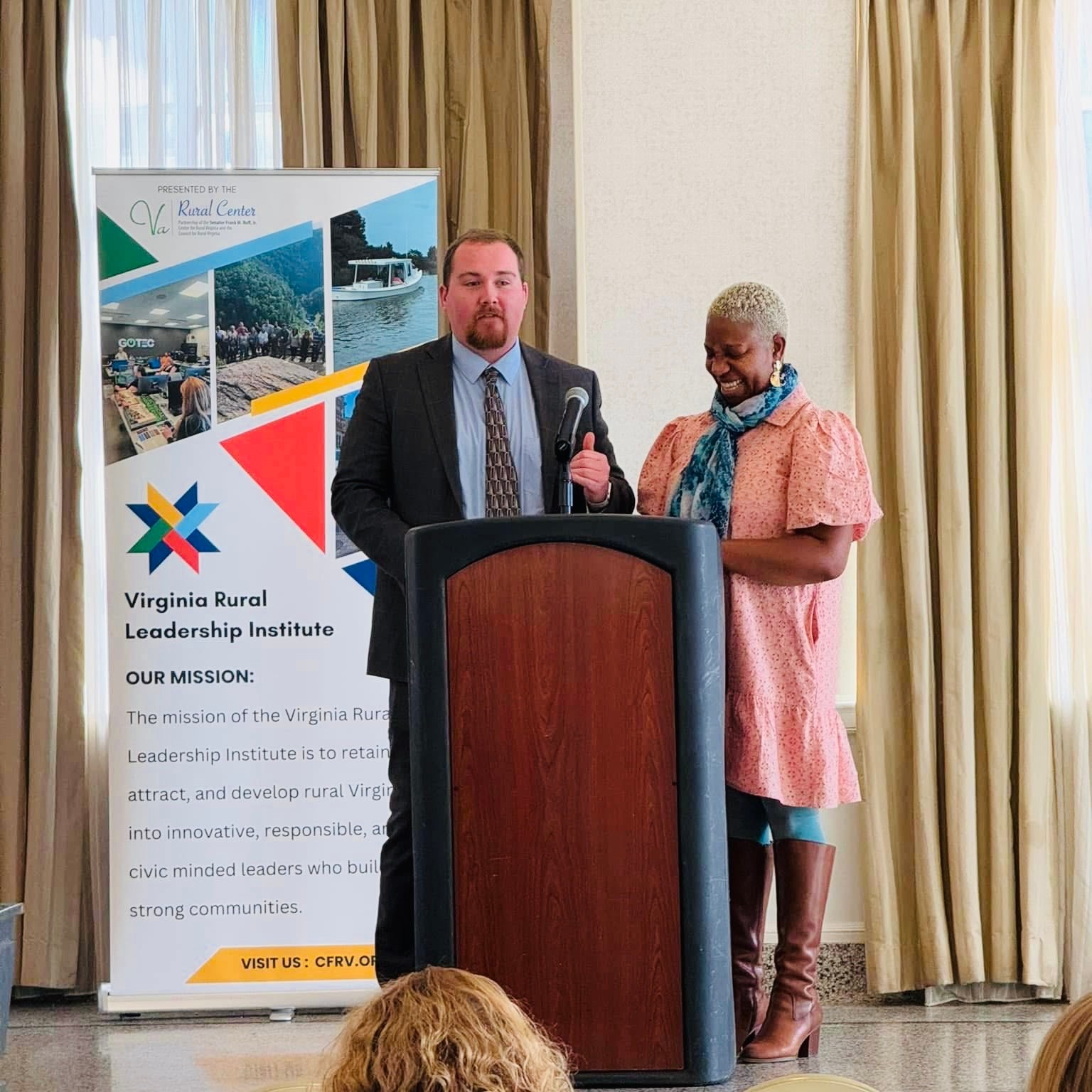
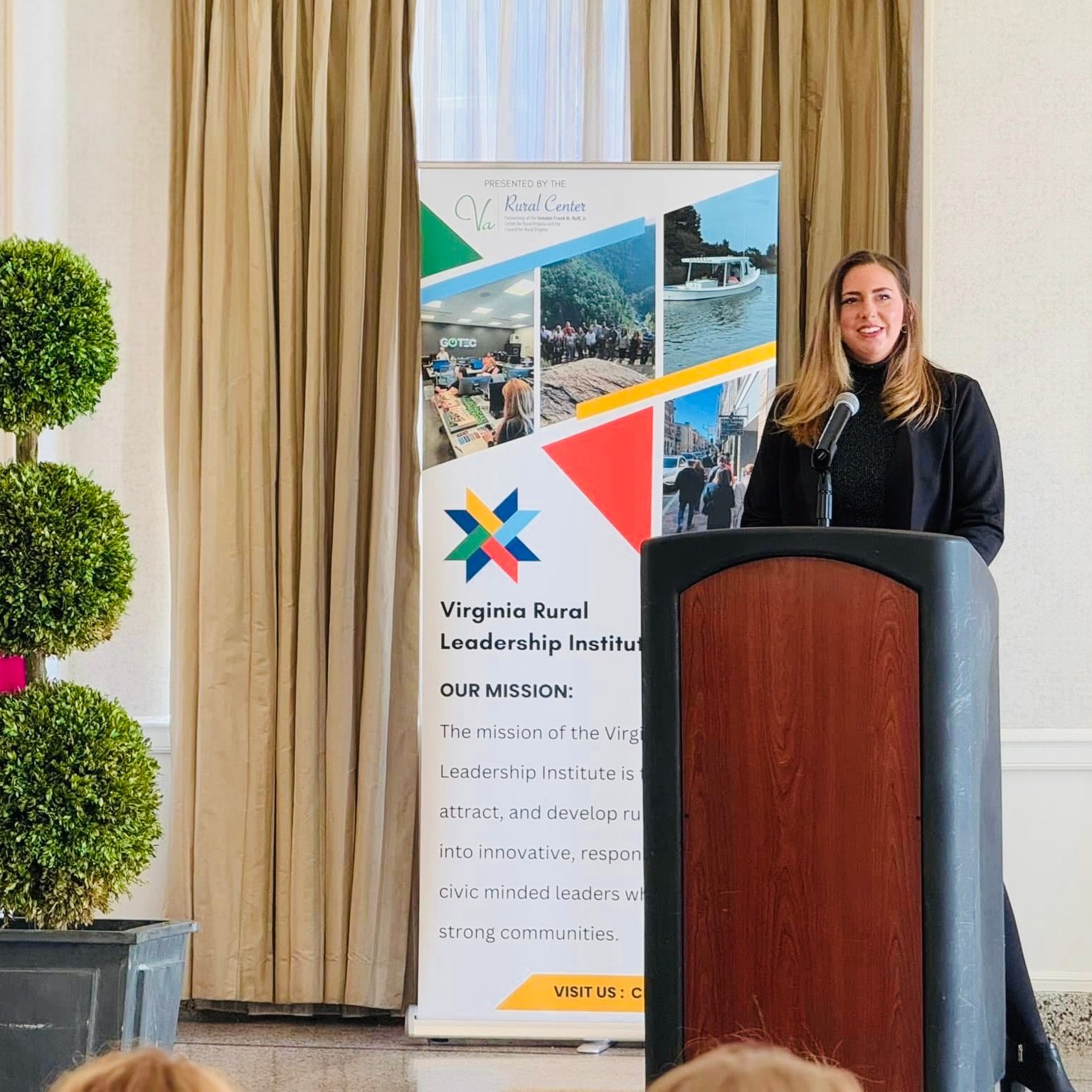

Zachary Whitlow | Community Impact Project
The focus of my VRLI Community Impact Project builds on my longstanding commitment to the Town of Altavista through my work with the DHCD VMS program. Over the years, I’ve had the privilege of working alongside Altavista on Track—the community’s designated Main Street organization—and local leaders to develop economic strategies and other programming that guide and support downtown revitalization. Through this role, I’ve come to know the community well and understand its business recruitment and retention needs, as well as its strong commitment to supporting entrepreneurship.
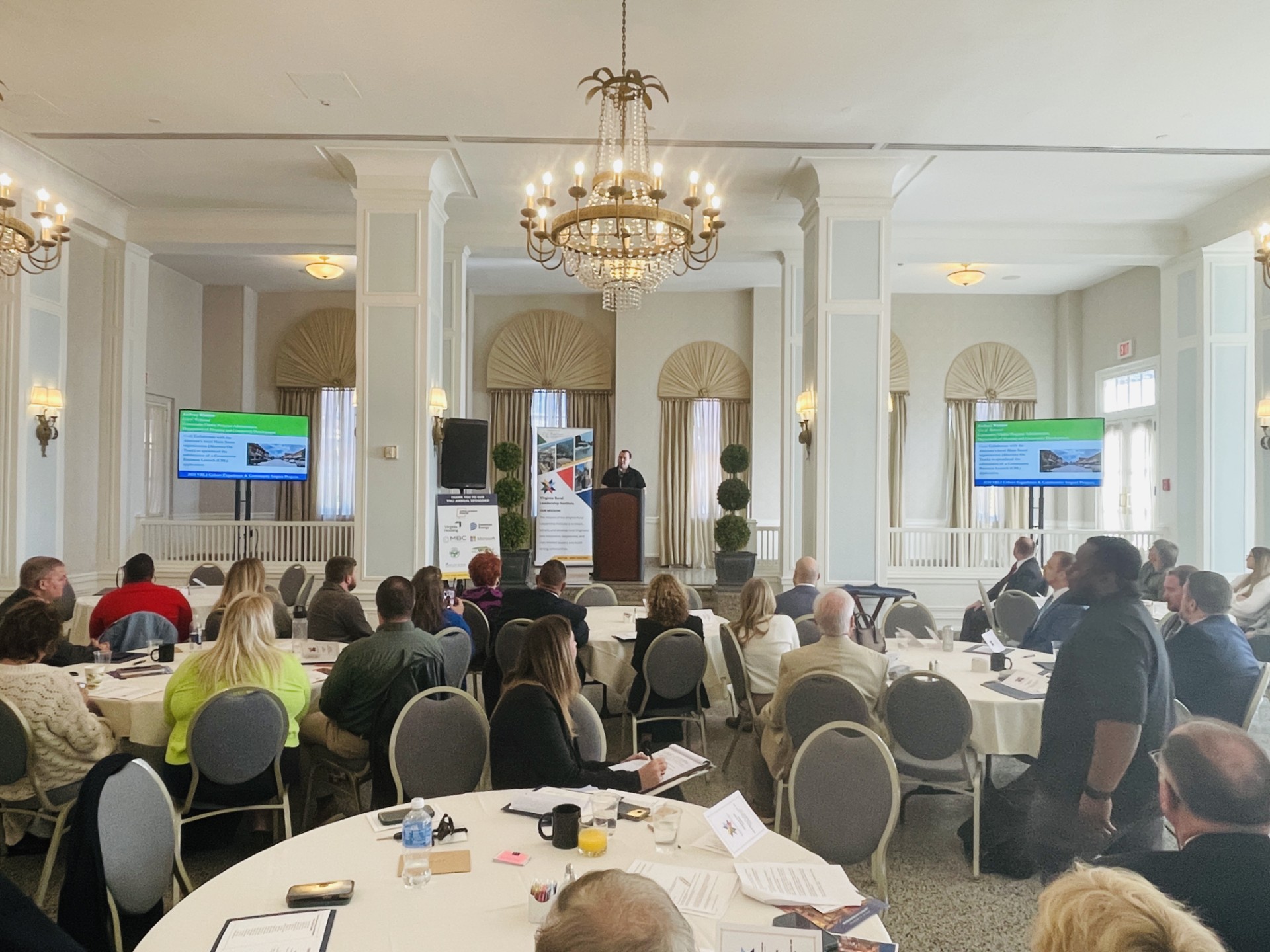
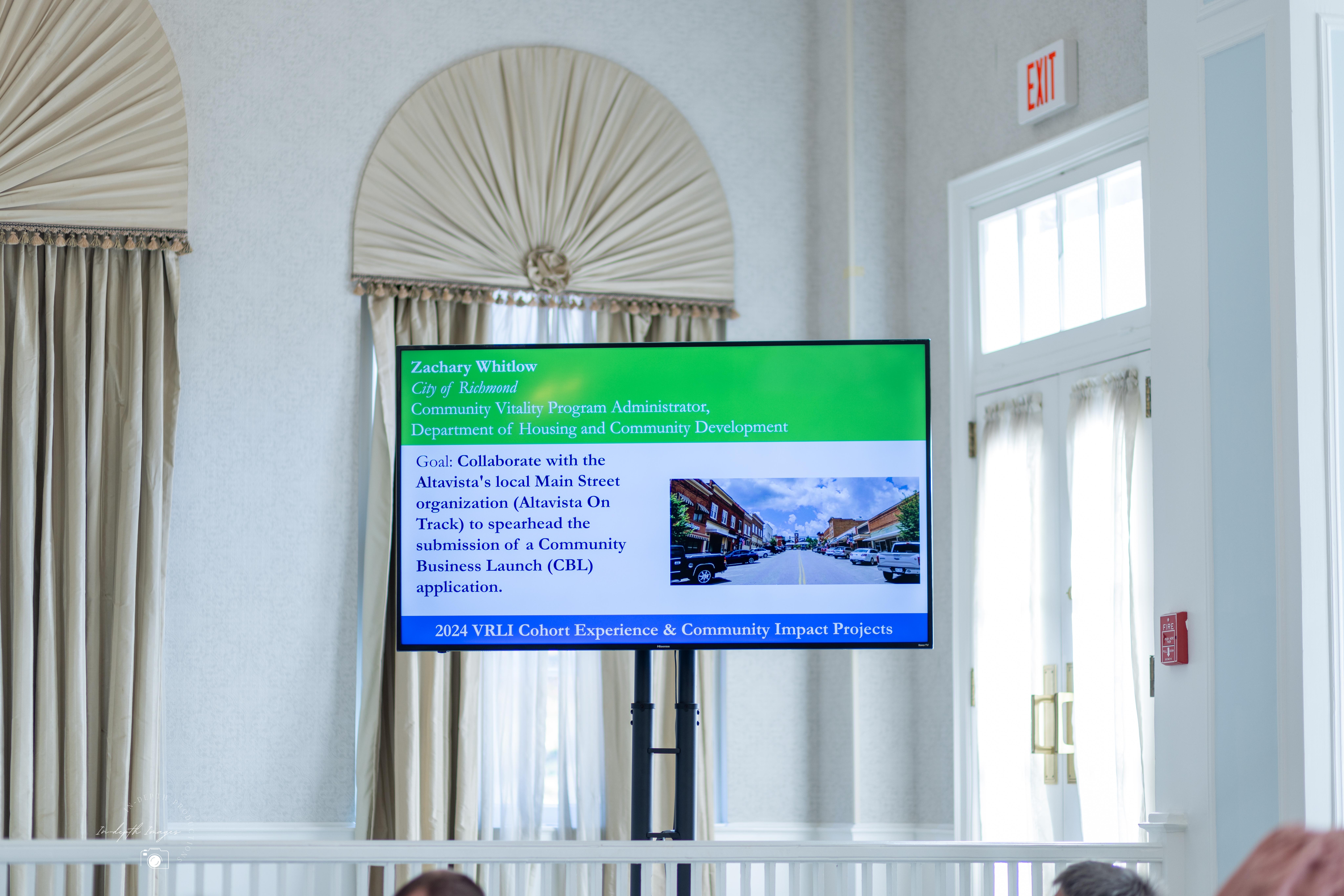
My project centers on helping Altavista apply for a DHCD Community Business Launch (CBL) grant, which will be instrumental in enabling Altavista to achieve its goals of business growth, job creation, and economic renewal in the downtown district. Should Altavista receive this grant, I’ll work closely with the Main Street organization, local stakeholders, and other key partners to bring the project to life.
The proposed CBL program will offer focused small business and entrepreneurial training that will culminate in an exciting pitch competition. Here, finalists will present their business plans, and winners will receive grant funding to launch or expand their ventures. Through this initiative, our goal is to establish at least three new or expanding businesses and create a minimum of five full-time equivalent jobs in downtown Altavista, driving new energy and activity into the heart of the community.
Zachary Whitlow | Personal Reflections
Participating in VRLI was a deeply enriching and transformative experience for me, both professionally and personally. As someone who was raised in rural Virginia, began my career working in Blackstone, Virginia, and now works closely with Main Street programs across Southern Virginia, VRLI reinforced my deep appreciation for the unique strengths and challenges of rural regions. The program offered invaluable insights into the complexities of leadership, community engagement, and economic development in rural settings. Each session highlighted the power of collaboration, the importance of fostering meaningful relationships, and the necessity of advocating for and investing in rural communities. These lessons are not just academic—they are tools I can directly apply to support Main Street organizations and drive revitalization efforts across the region that I oversee.
One of the most impactful takeaways from VRLI was the emphasis on rural resilience. From learning about innovative economic development strategies to addressing challenges like broadband accessibility and healthcare disparities, the program provided a comprehensive understanding of what it takes to create lasting change. Perhaps most significantly, VRLI strengthened my belief that authentic, inclusive leadership is the cornerstone of vibrant communities. The experience reaffirmed my commitment to helping Southern Virginia thrive by empowering local leaders, engaging stakeholders, and celebrating the unique cultural and economic assets that make rural Virginia so special.
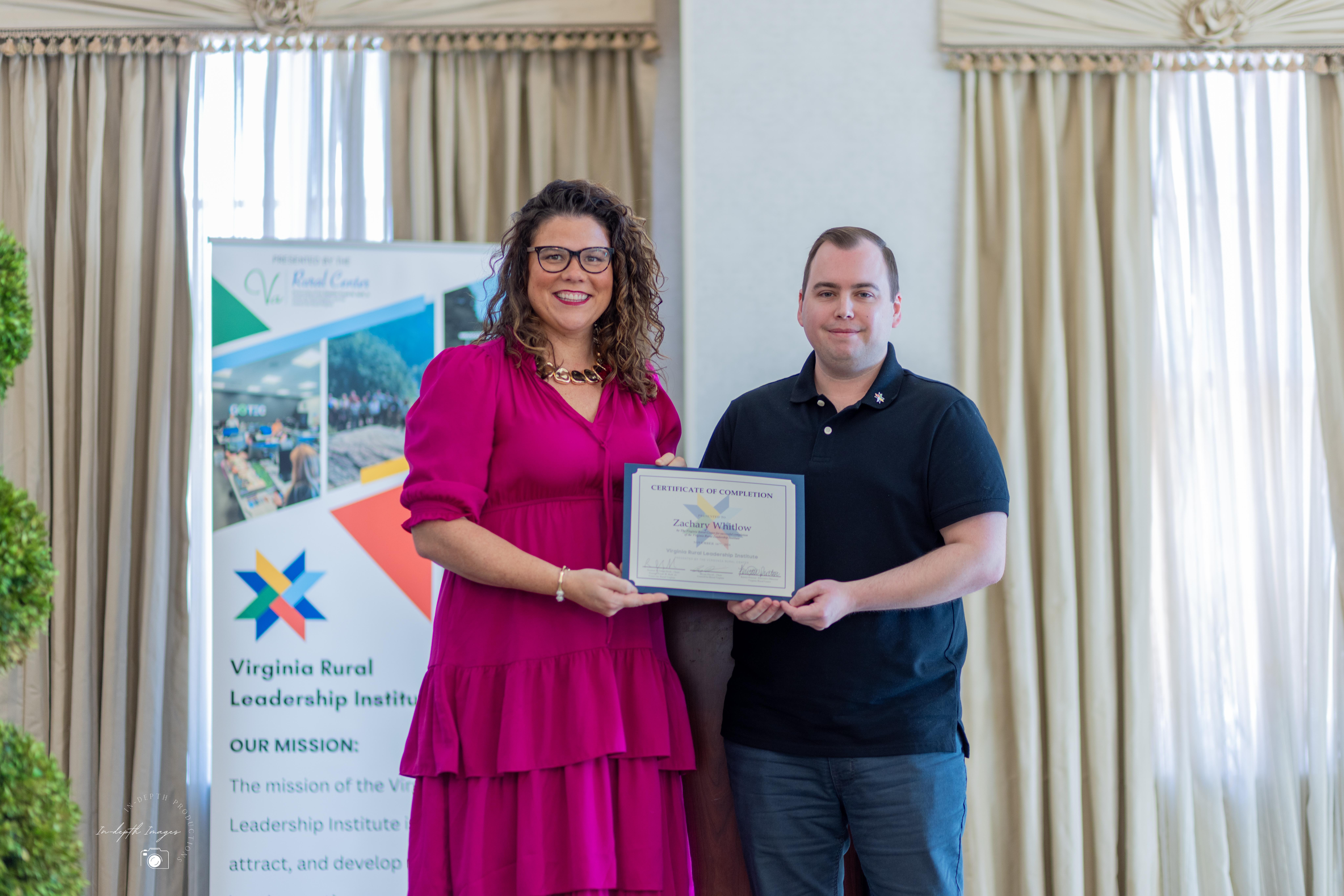
I extend my gratitude to the Virginia Rural Center and all the partners across the regions we had the privilege of visiting and exploring for making the VRLI program such a meaningful and enriching experience.
For those considering applying to the 2025 cohort, I highly encourage you to seize this opportunity as the VRLI program is an invaluable investment in both personal and professional growth!
Photo Credit: Virginia Rural Center
Photo Credit (Solo ZW presentation slide and receiving certificate): Carl Bassfield, In-Depth Productions
 Virginia Main Street