Data is the foundation upon which Main Street organizations can build powerful narratives of revitalization, economic growth, and community impact. Without it, successes can be overlooked, and opportunities for future support may be missed. Recently, through a session offered at the Main Street Now Conference, attendees had the opportunity to dive deeper into the importance of developing strong data habits to better sustain and promote their programs.
The session – Data is Not a Dirty Word: Solutions for Stewardship, Stories, and Succession Planning – offered an excellent overview of why data collection matters, how to effectively manage revitalization statistics, and what common pitfalls to avoid.
Why Good Data Collection Matters
Strong data practices are essential for telling a community’s story in a credible, persuasive way. Accurate revitalization data—tracking private investment, business openings, volunteer hours, property rehabilitations, and more—demonstrates to funders, public officials, and stakeholders that Main Street initiatives deliver tangible results.
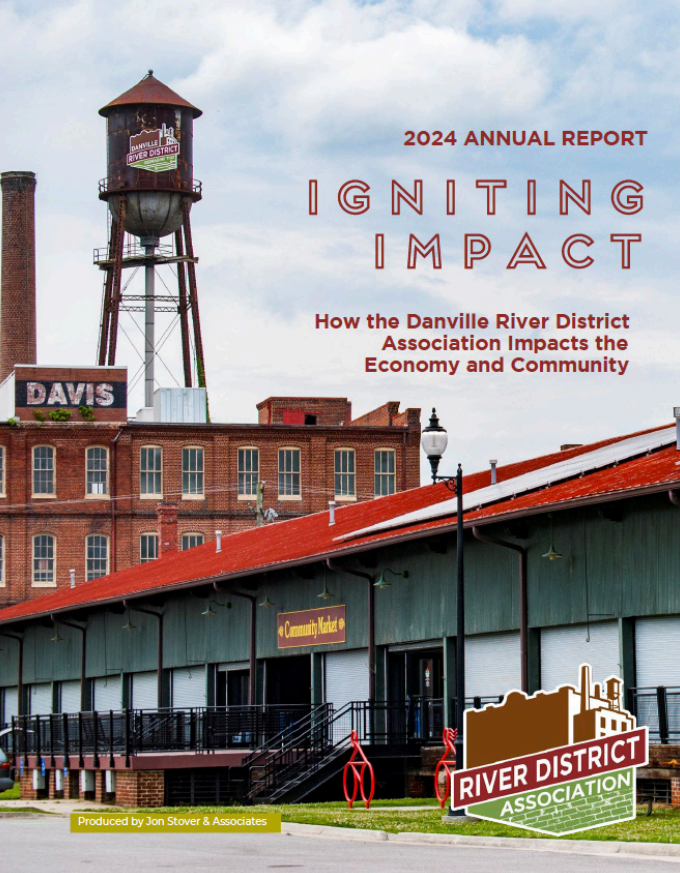
Pictured right – River District Association 2024 Annual Report
Good data also helps programs:
- Securing funding and grants by demonstrating measurable outcomes;
- Advocate for continued support from local governments and partners;
- Track progress over time to assess the effectiveness of strategies;
- Identify trends and needs for future planning; and
- Celebrate successes by translating numbers into compelling stories
Without reliable data, organizations risk underselling their efforts and missing critical opportunities for growth and sustainability.
Best Practices for Managing Main Street Data
The presentation outlined several best practices to build and maintain strong data habits:
- Collect Data Consistently: Set a scheduled for regular updates—monthly, quarterly, or annually. Consistency ensures that milestones aren’t missed and trends can be accurately tracked over time.
- Standardize Collection Tools: Use uniform forms, spreadsheets, or digital platforms to ensure data is captured in a structured, comparable way.
- Assign Clear Responsibility: Designate a person or team responsible for collecting, verifying, and reporting data to promote accountability and accuracy.
- Regularly Validate and Review: Implement routine checks for completeness and accuracy to maintain data integrity.
- Align Data with Strategic Goals: Focus data collection on key performance indicators that support the organization’s broader mission and revitalization strategy.
- Use Data to Tell Stories: Don’t just collect numbers—use them to craft success stories that resonate with funders, community members, and media outlets.
What to Be Mindful Of
As you build strong data habits, it’s important to keep a few key considerations in mind:
- Context Matters: Numbers alone aren’t enough. Always provide narrative context to explain the significance of your data.
- Prioritize Quality Over Quantity: Track the data that aligns with your goals. Avoid overwhelming staff and stakeholders with unnecessary or redundant metrics.
- Protect Sensitive Information: If collecting data that could include personal or businesses-specific details, be sure to follow appropriate privacy standards and safeguards.
- Commit to Continuous Improvement: Review and refine your data collection practices regularly to adapt to evolving needs and ensure ongoing relevance.
The session provided a solid framework for any Main Street organization looking to build stronger internal systems and position itself for long-term success. Whether you’re just getting started with revitalization statistics or looking to improve an existing system, the tools and advice offered are valuable stepping stones.
Check out the full presentation and explore additional materials! Investing time in building strong data habits today will ensure you can tell a more compelling and credible story tomorrow—and continue driving positive change in your community.
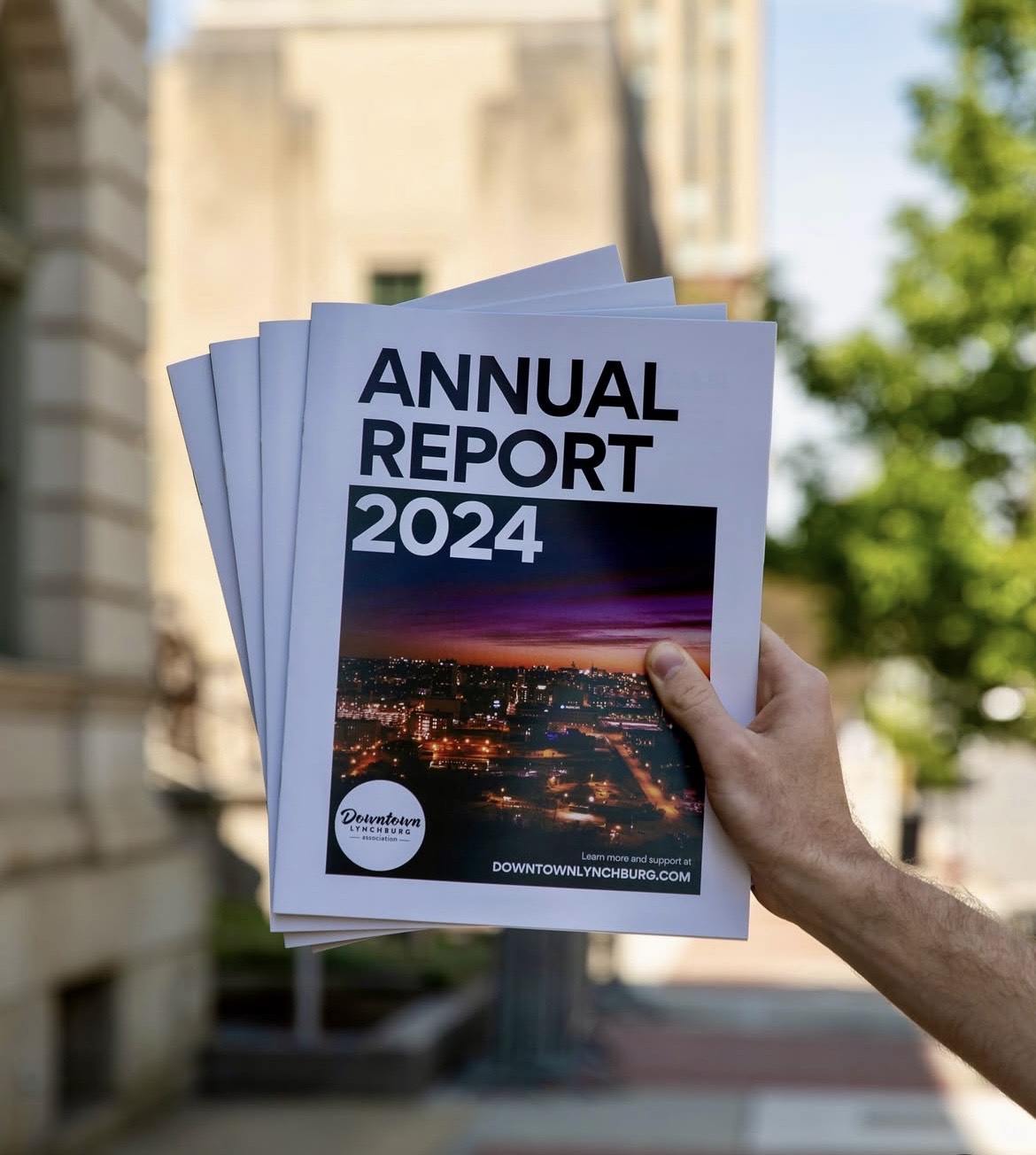
Pictured right – Downtown Lynchburg Association 2024 Annual Report
Additional Materials
Data Orchard: Data Maturity Framework for the Not-for-Profit Sector
Data Orchard: How Data Mature is Your Organization? Self-Assessment Tool
Image Credit (RDA) – River District Association
Image Credit: (DLA) – Downtown Lynchburg Association
 Virginia Main Street