June 20 marked the official start of summer, and there’s no better time to be in a Main Street community — whether you are shopping, dining or simply taking a stroll. As the days grow longer and hotter, now is the perfect time to consider the pedestrian experience. Unfortunately, we don’t have the ability to turn down the AC outside; however, we can ease discomfort through the strategic placement of trees.
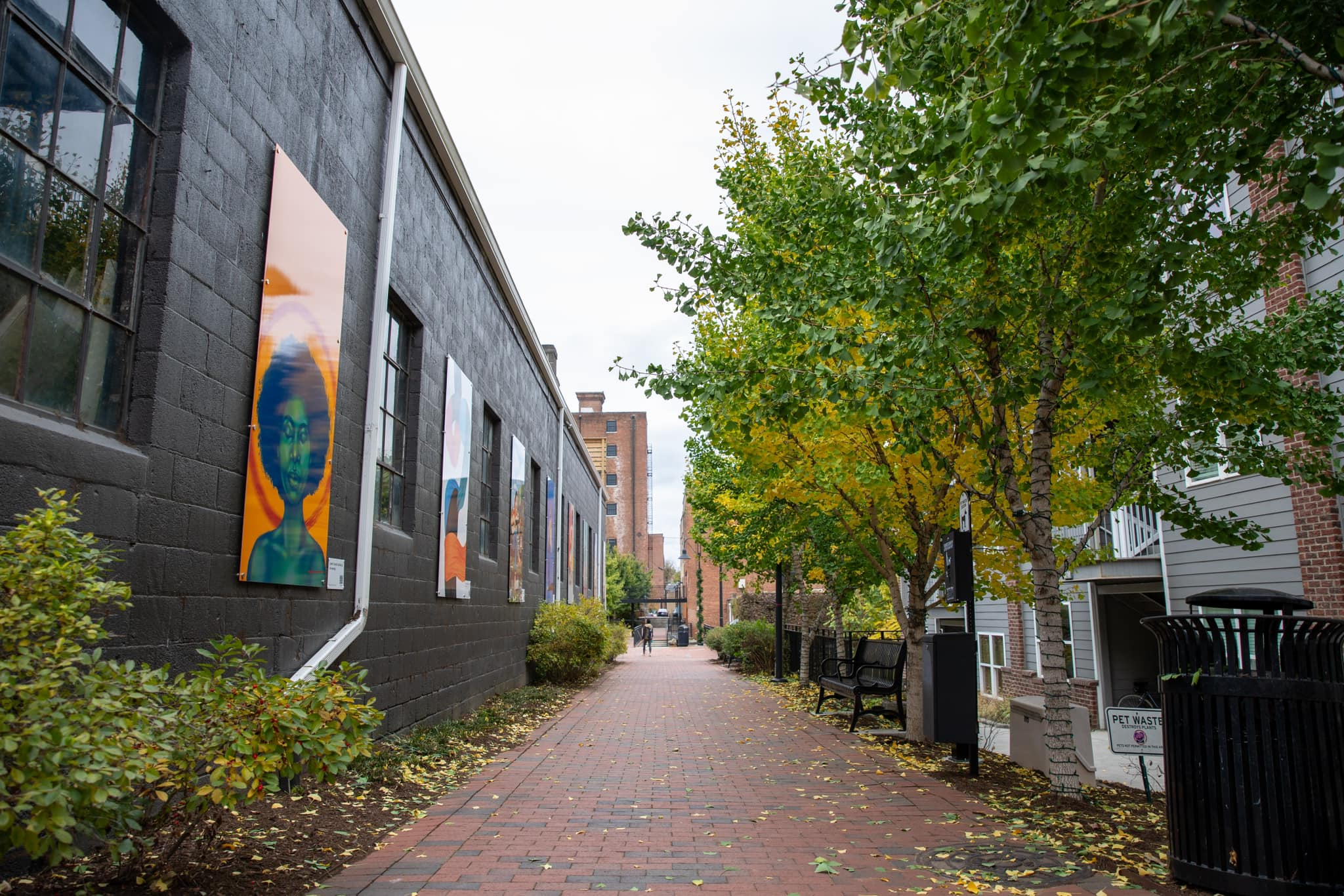
Historic commercial districts can oftentimes fall victim to “hot spots” due to the lack of greenery, making a specific area uninviting or harsh to people visiting downtown. Heroes don’t always wear capes, sometimes they wear leaves. Trees are nature’s umbrella, offering shade, comfort, and relief during the summer months, and you don’t realize how much value they bring to a Main Street until there are none around.
Trees can provide more than climate control and beauty. Studies have shown that tree-lined streets can lower vehicle speeds, making Main Streets safer for pedestrians and drivers alike. The presence of greenery can help signal to motorists that they’re in a walkable area, encouraging more mindful driving.
In an article published by the University of Washington, it’s reported that “most research suggests that trees may improve driving safety. One study found a 46% decrease in crash rates across urban arterial and highway sites after landscape improvements were installed. Another study found that placing trees and planters in urban arterial roadsides reduced mid-block crashes by five to twenty percent.”
While tree installation may be outside the scope of most Main Street organizations, they can partner with local offices who do this work such as public works or the city arborist. It’s just as important to advocate for greenery and the pedestrian experience when the opportunity arises. It’s a Main Street leaders’ responsibility to champion pedestrian comfort to create places to shop, dine and play. A walkable community is a thriving community, creating opportunities for economic and cultural growth.
Always be sure to consult with your locality’s arborist and/or urban forestry department before taking this work into your own hands.
Photo Credit: Downtown Lynchburg Association
 Virginia Main Street