As a participant in the Virginia Rural Leadership Institute’s (VRLI) 2024 Cohort, Zachary Whitlow, Community Vitality Program Administrator for the Department of Housing and Community Development, provides an overview of the first VRLI session of the year, which was held in Danville on May 22-24, 2024.
The Virginia Rural Leadership Institute (VRLI) kicked off its first session of the year in Danville, Virginia (with a stop in South Boston), convening 28 distinguished individuals from 24 counties and cities across rural Virginia. Over the course of three engaging and highly educational days, cohort members had the opportunity to connect with each other, hear from local leaders and immerse themselves in the community. Apart from unique networking opportunities, Session 1 featured tours, classes and presentations that focused on developing essential leadership, community, and economic development skills, as well as how transformative projects have positively impacted the local economy and quality of life in both Danville and South Boston.
Day 1 | May 22, 2024
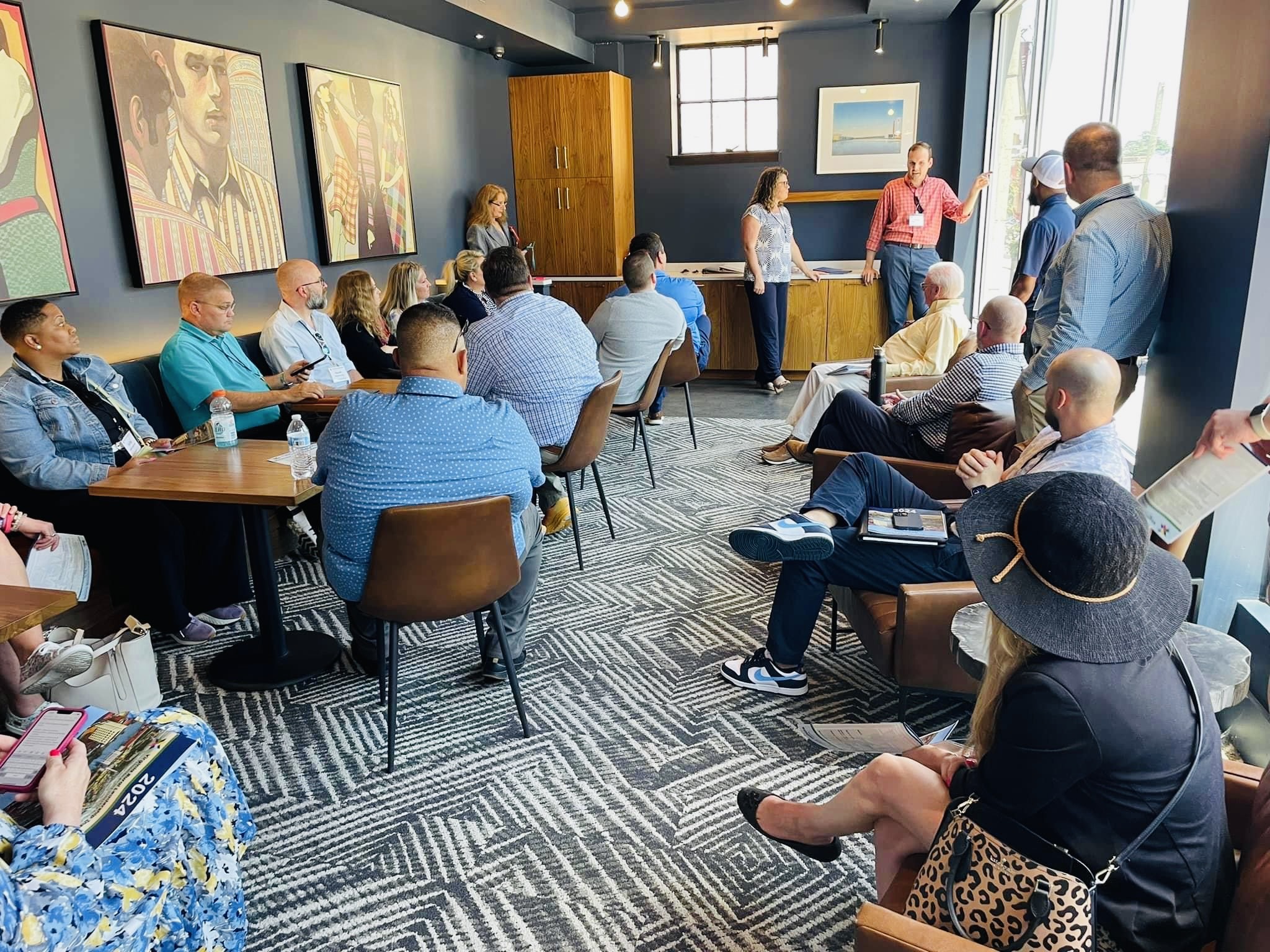
Day 1 began with a welcome session at the Bee Hotel, the city’s premier boutique hotel. The VRLI cohort assembled in the Patton Lobby and were greeted by Kristie Proctor, Executive Director of the Virginia Rural Center, and other Center staff, who spoke about the Center’s mission to foster economic prosperity within rural communities across Virginia. One way that mission is achieved is by developing rural Virginians into innovative and civic-minded leaders who build strong communities.
Following the welcome session, cohort members were divided into two groups to tour the 500 block of Craghead Street in Danville’s River District. The tour was led by Rick Barker, President of Supply Resources and Rick Barker Properties, along with Jeff Gignac, Business Manager for Supply Resources. Together, they provided an in-depth narrative on Danville’s ongoing revitalization and downtown renewal, highlighting the extensive renovation efforts along the entire block and underscoring the pivotal role of historic preservation tax credits in driving redevelopment initiatives.

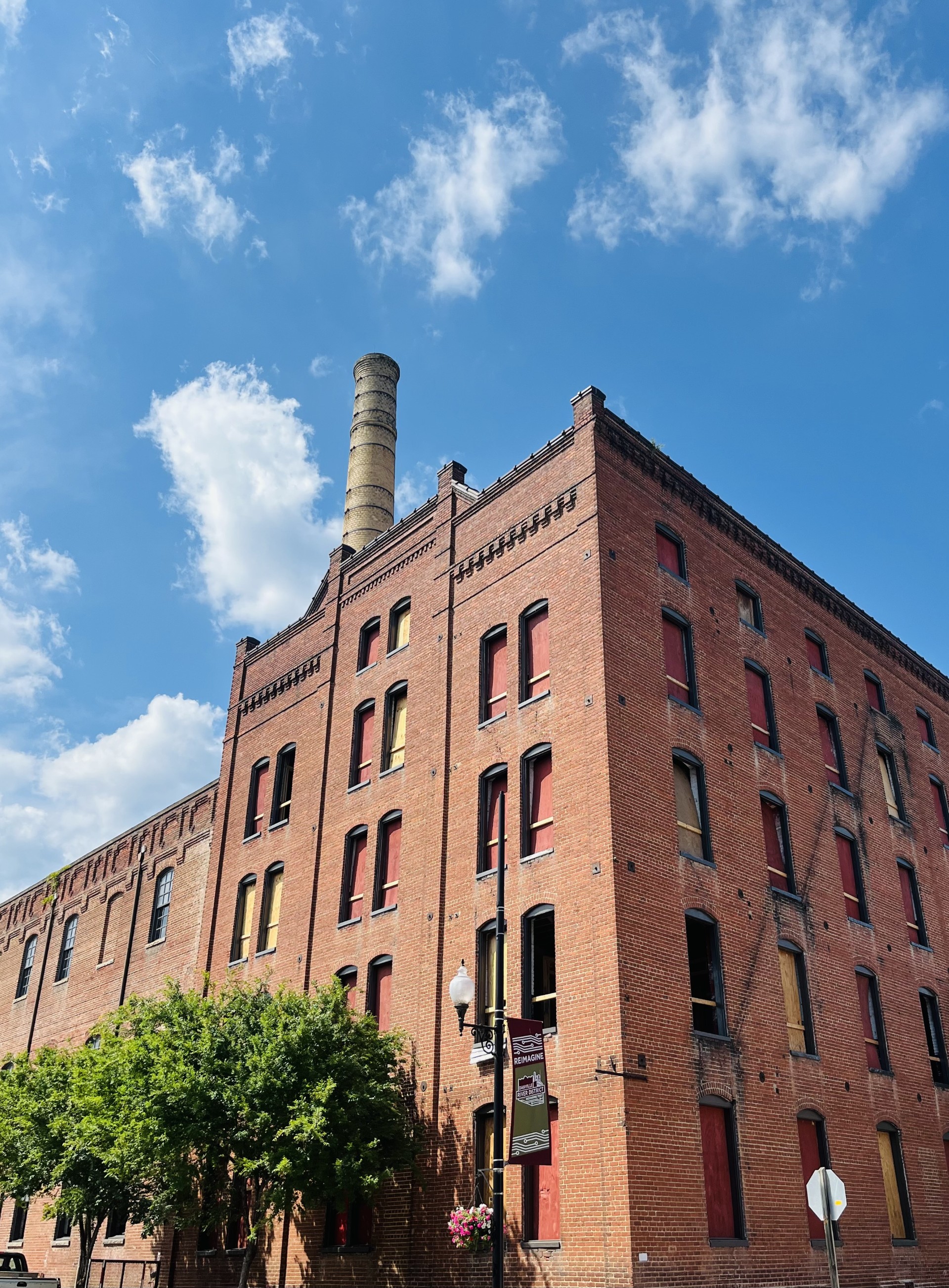
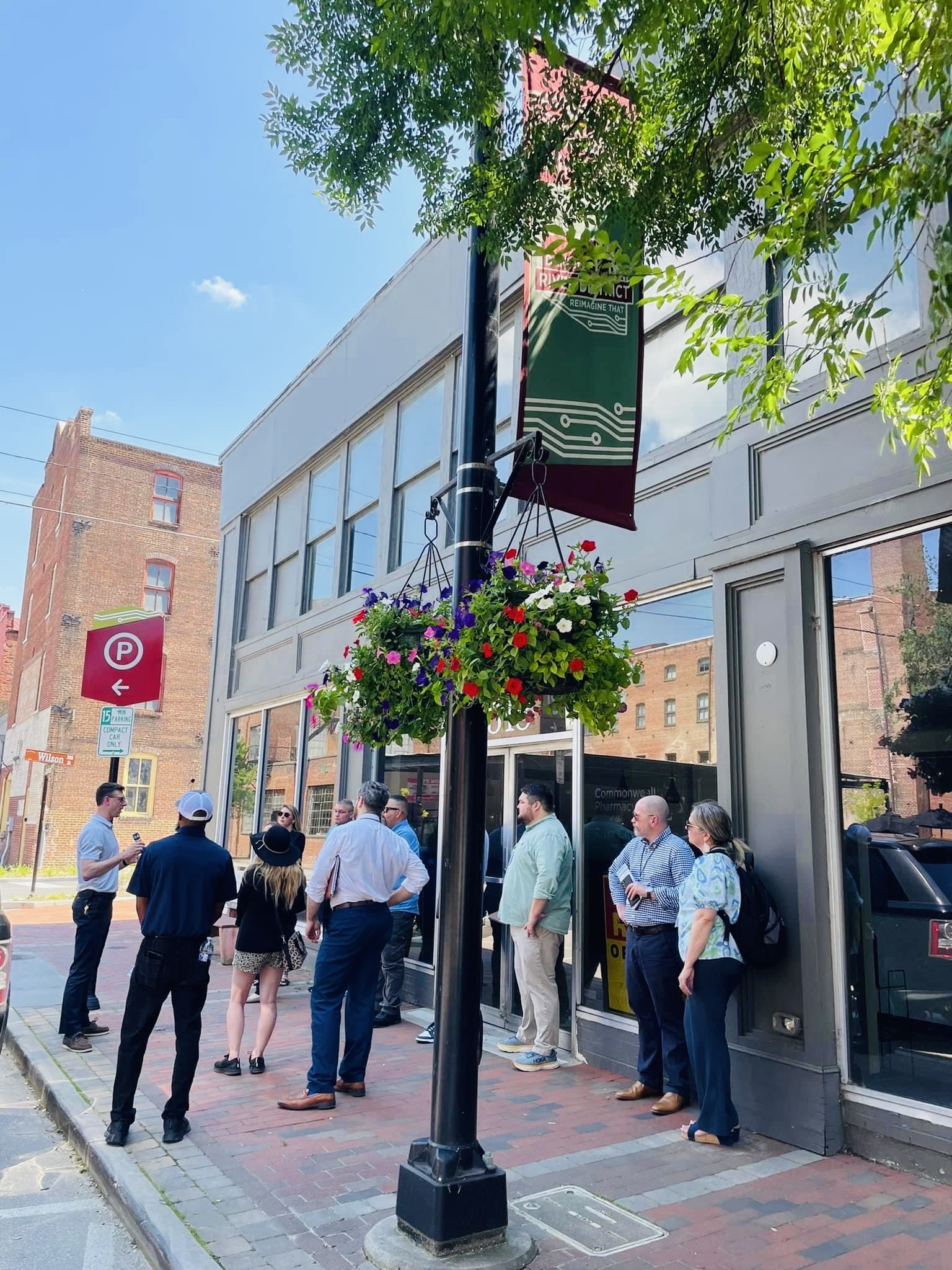
In 2015, Barker opened Supply Resources at 554 Craghead, formerly a hardware store that had stood vacant for 50 years. He recognized a unique combination of economic opportunity and potential in the area and later purchased all five buildings on the same side of the street. From a once undesirable commercial block to what is now an area filled with stylish exteriors, apartments and thriving businesses, such as Ballad Brewing and Mucho Taqueria, cohort members had an opportunity to reflect on the positive impact of downtown revitalization efforts and what can be achieved through vision and determination, especially when one has a strong sense of stewardship over their community’s history and historic architecture. What has happened on Craghead Street has had a direct effect on what is happening in other areas of the River District as it becomes a vibrant hub of economic activity, cultural richness and community pride.
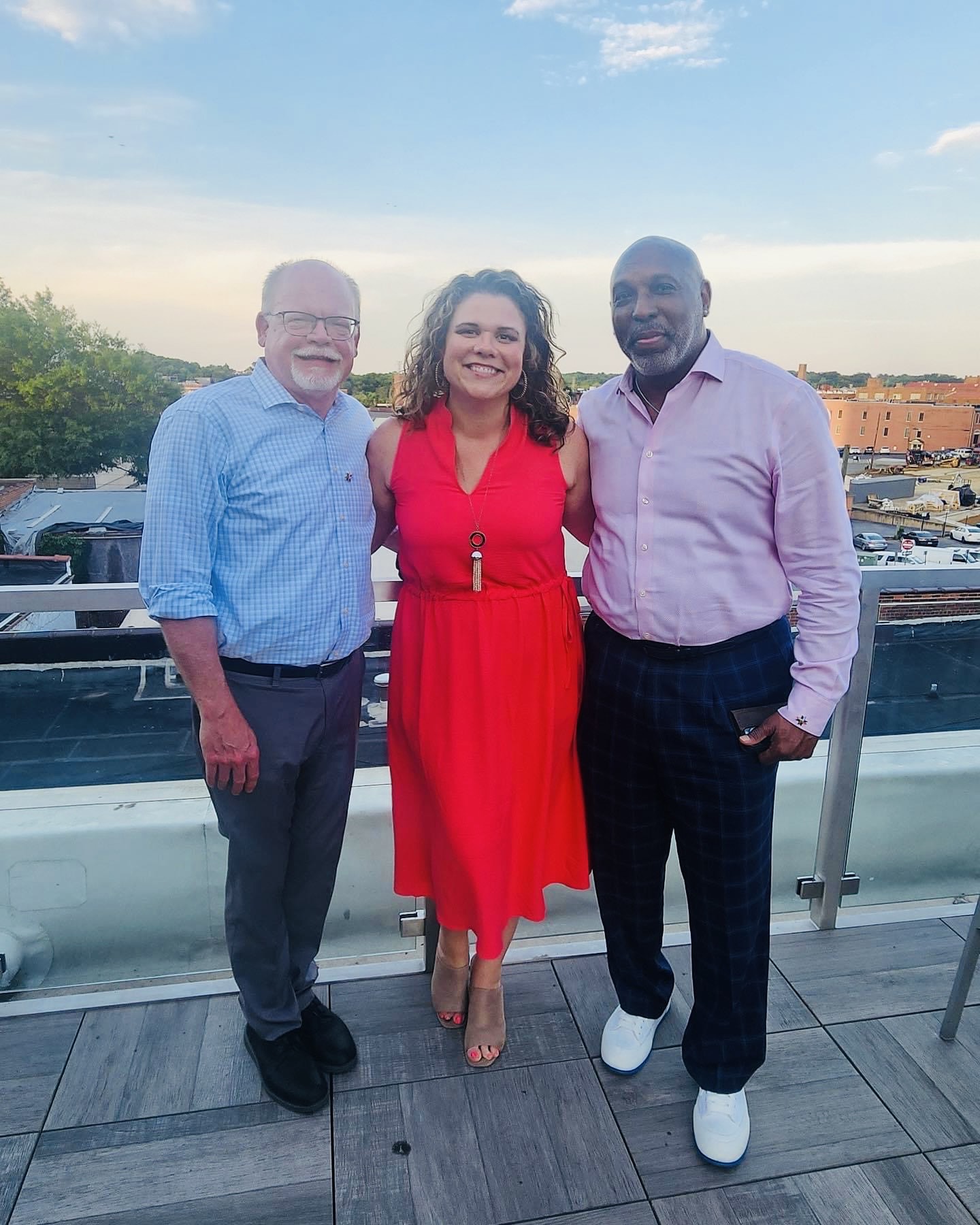
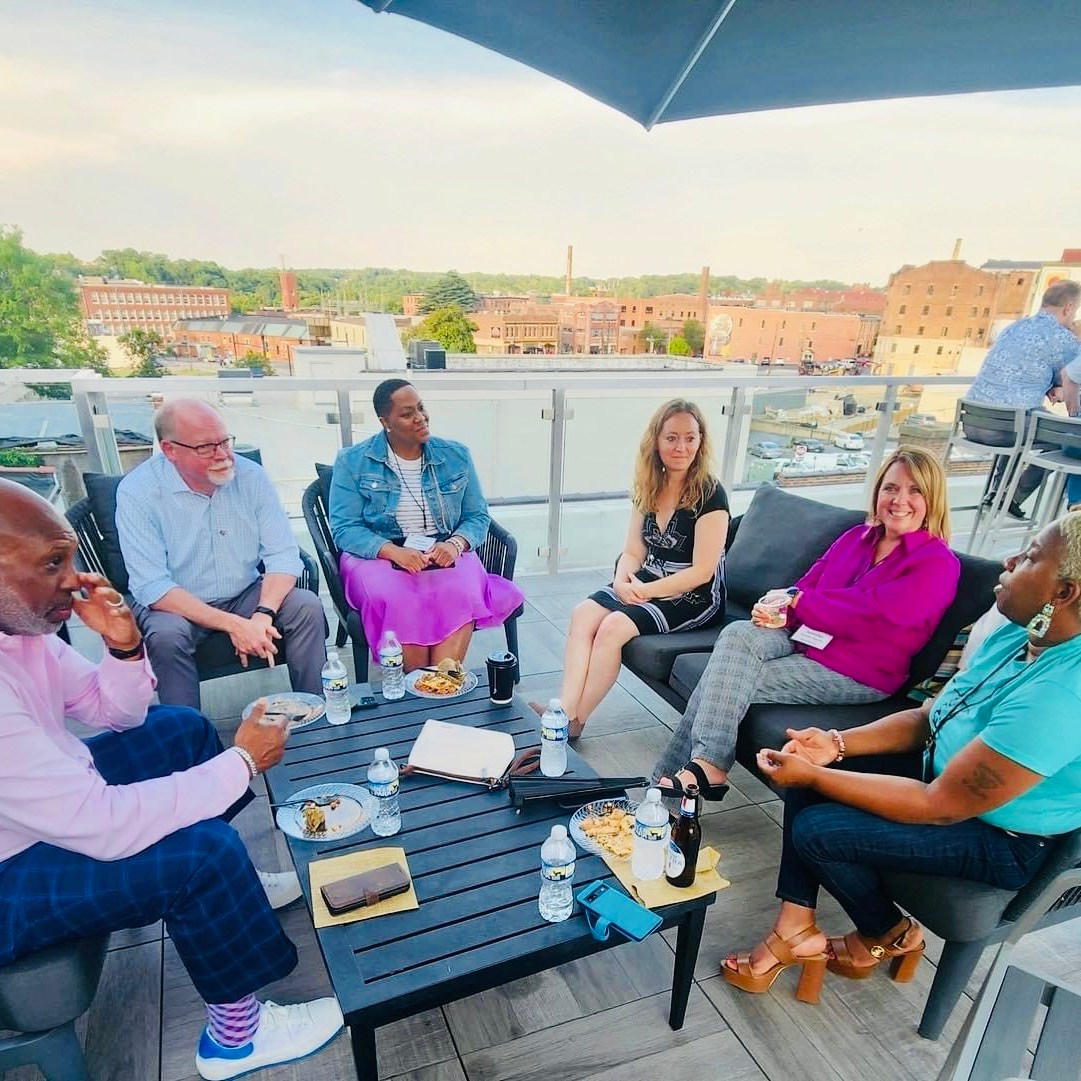
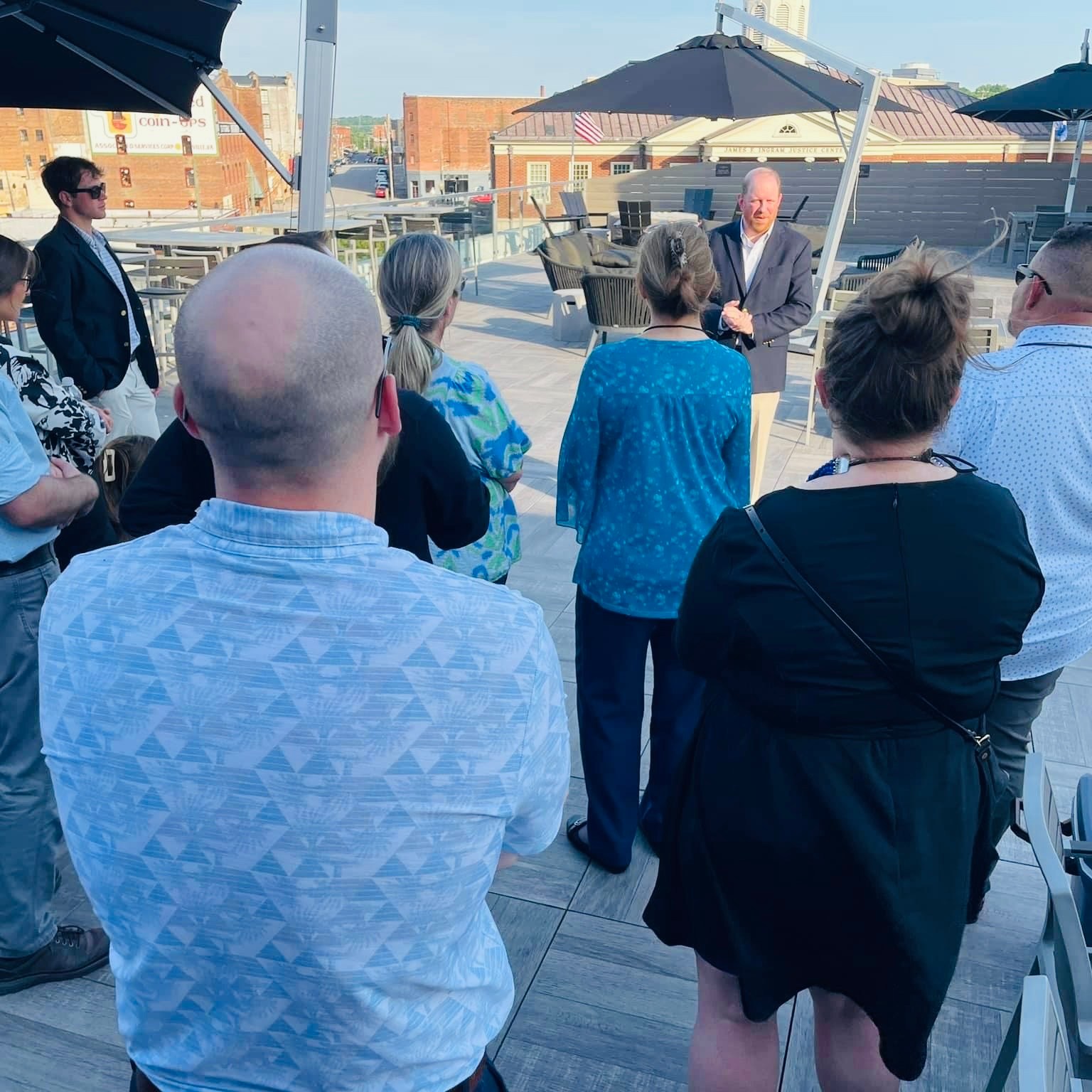
After exploring the River District, cohort members gathered on the rooftop veranda of the Bee Hotel for a special reception and dinner with VRLI alumni – Craig McCroskey, Director of Financial Stability Programs for United Way of Henry County & Martinsville, and William E. Johnson, III, City Manager for the City of Emporia. Adding to the evening’s significance was also the presence of a distinguished guest, former Delegate Les Adams, recently appointed as the General District Court Judge for the 22nd Judicial District of Virginia. The rooftop, with its stunning views, provided the perfect backdrop for an evening of camaraderie and connection. It was an ideal way to conclude Day 1, allowing participants to relax and engage in meaningful conversations. Cohort members were able to forge deeper connections and understand why each person was there and what they hope to learn!

Day 2 | May 23, 2024
Cohort members spent Day 2 at the Institute for Advanced Learning and Research (IALR), a state-of-the-art educational, research, and conference facility that serves as a catalyst for innovation and collaboration in Southern Virginia and beyond. The day began with an engaging presentation and exercise facilitated by Todd Bradberry of Parallel Management Company, focusing on the analysis and application of the DiSC model.
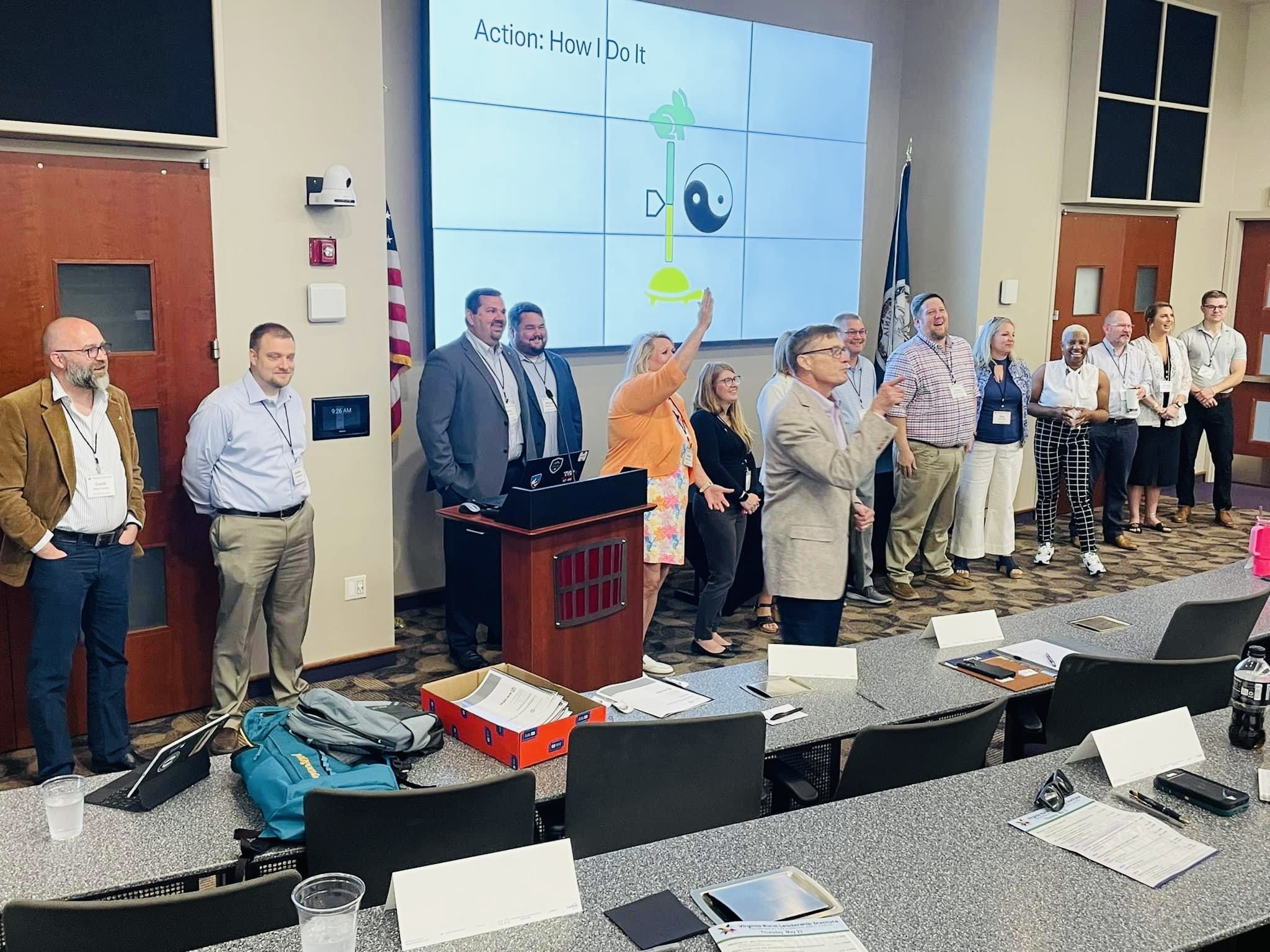
Cohort members identified their own behavioral styles – Dominant (D), Influential (I), Steady (S), or Conscientious (C) – and examined their respective strengths and areas for improvement, which is crucial for personal growth and effective leadership. Conversation largely centered on how cohort members can adapt their communication and management styles to fit various situations and individuals, facilitating better interactions with community members, stakeholders and team members to ensure that diverse perspectives are respected. Moreover, the DiSC model can equip cohort members (as leaders) with the tools to navigate the complexities of community and economic development, promoting collaboration, enhancing communication and driving sustainable progress in their communities.
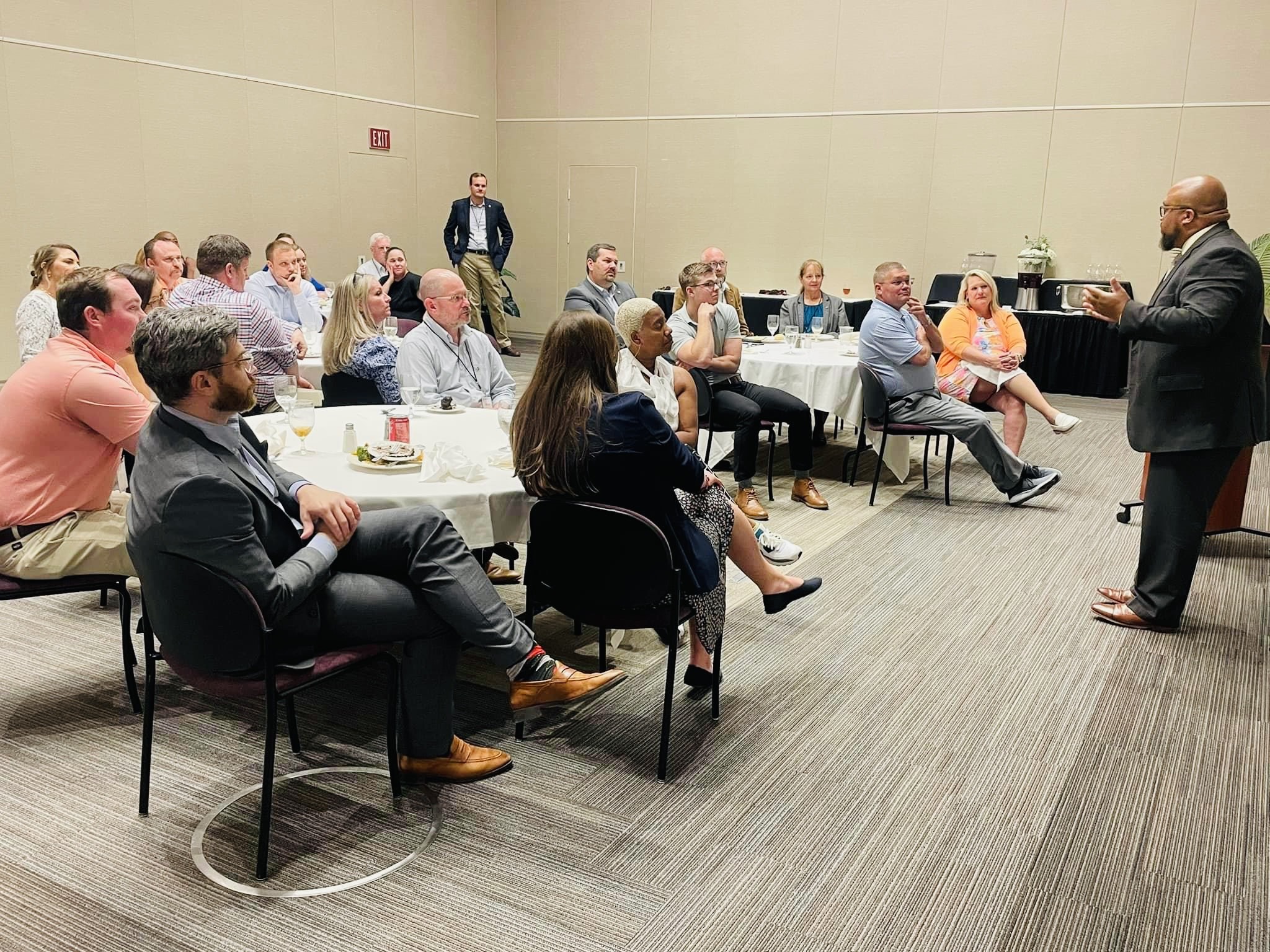
After the DiSC presentation and exercise, cohort members enjoyed hearing from and having lunch with Delegate Danny Marshall (District 49) and Telly Tucker, who joined IARL as the first President in May 2022, before embarking on a tour of the Institute’s primary facility and campus, which features five different buildings. A sixth building – the Navy’s national training center, which will house the Accelerated Training in Defense Manufacturing program – is slated to open in late 2024.
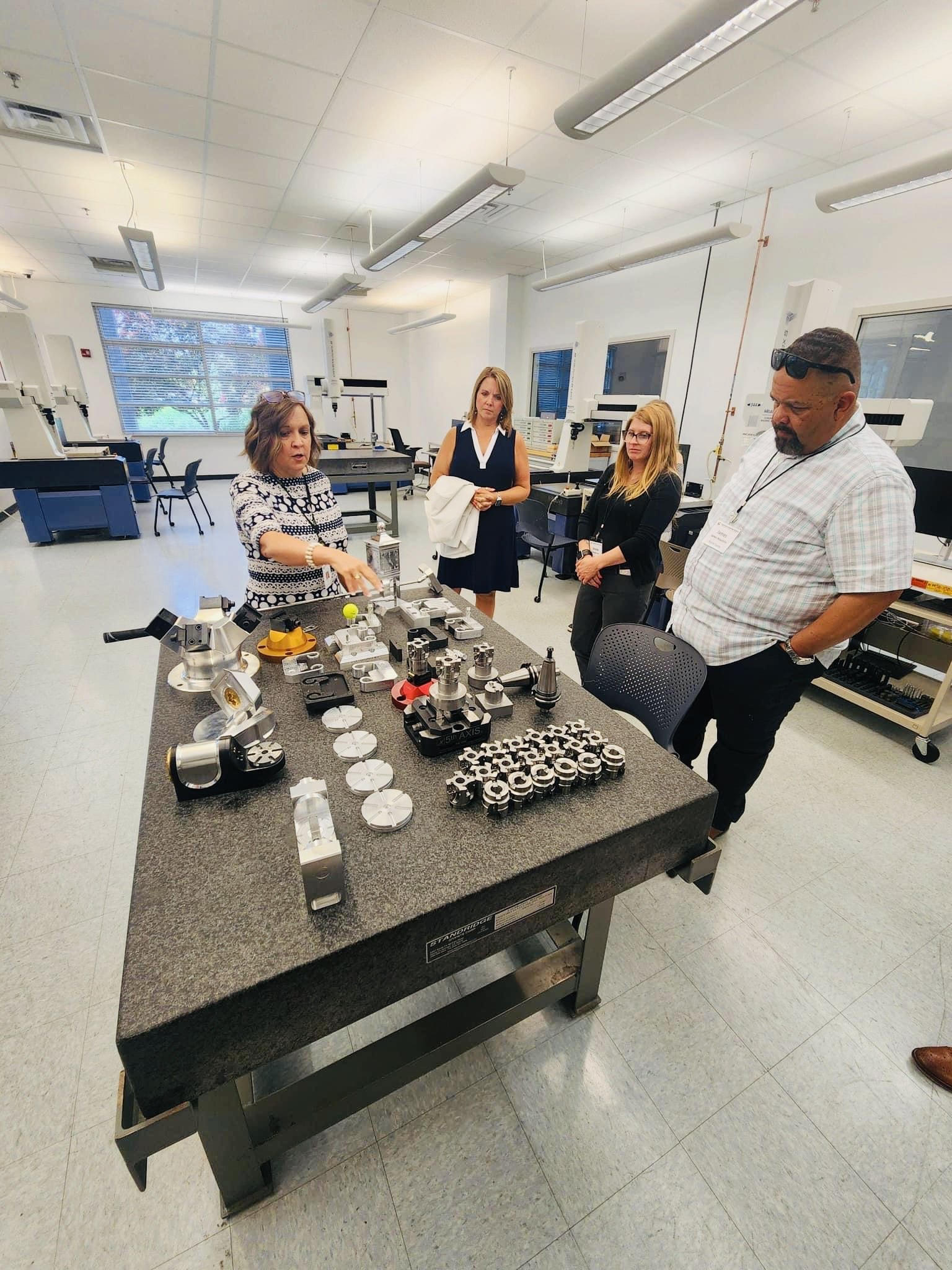
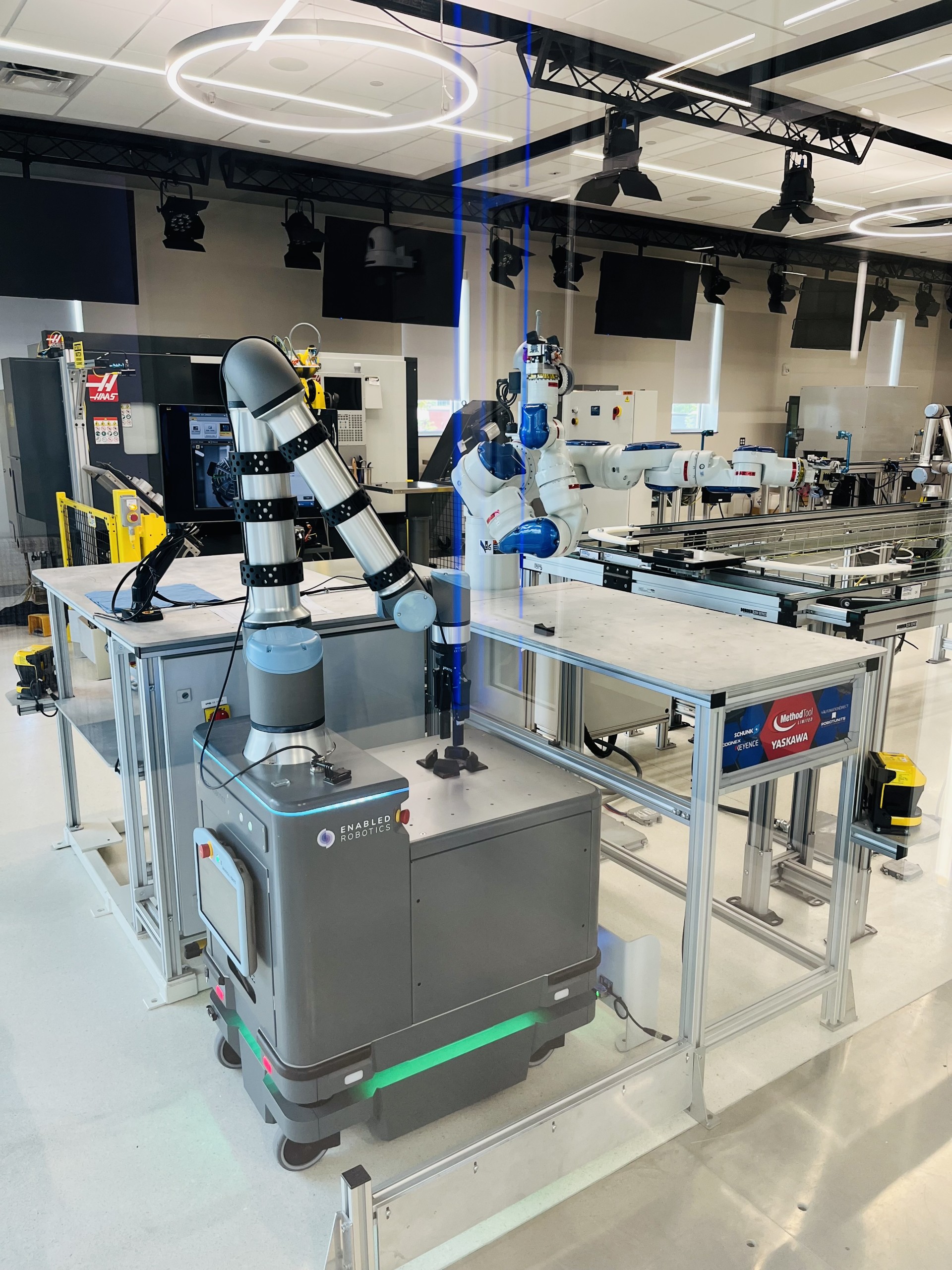
During the tour, cohort members experienced firsthand why the IALR is the cornerstone of innovation and economic development in Southern Virginia. IALR staff showcased how the Institute’s cutting-edge laboratories and research centers are designed to foster advancements in key sectors such as advanced manufacturing, biotechnology and precision agriculture. These facilities provide a collaborative environment where researchers, educators and industry leaders come together to drive progress.
When exploring the campus, the emphasis on education and workforce development was readily apparent. IALR offers a variety of programs aimed at equipping individuals with the skills necessary to thrive in a rapidly evolving job market. From technical training courses to leadership development seminars, programs are tailored to meet the needs of both students and professionals. The Institute’s commitment to community engagement is also evident through its partnerships with local businesses, educational institutions and government agencies. These collaborations ensure that IALR initiatives are aligned with regional economic goals and contribute to the overall prosperity of Southern Virginia and beyond.
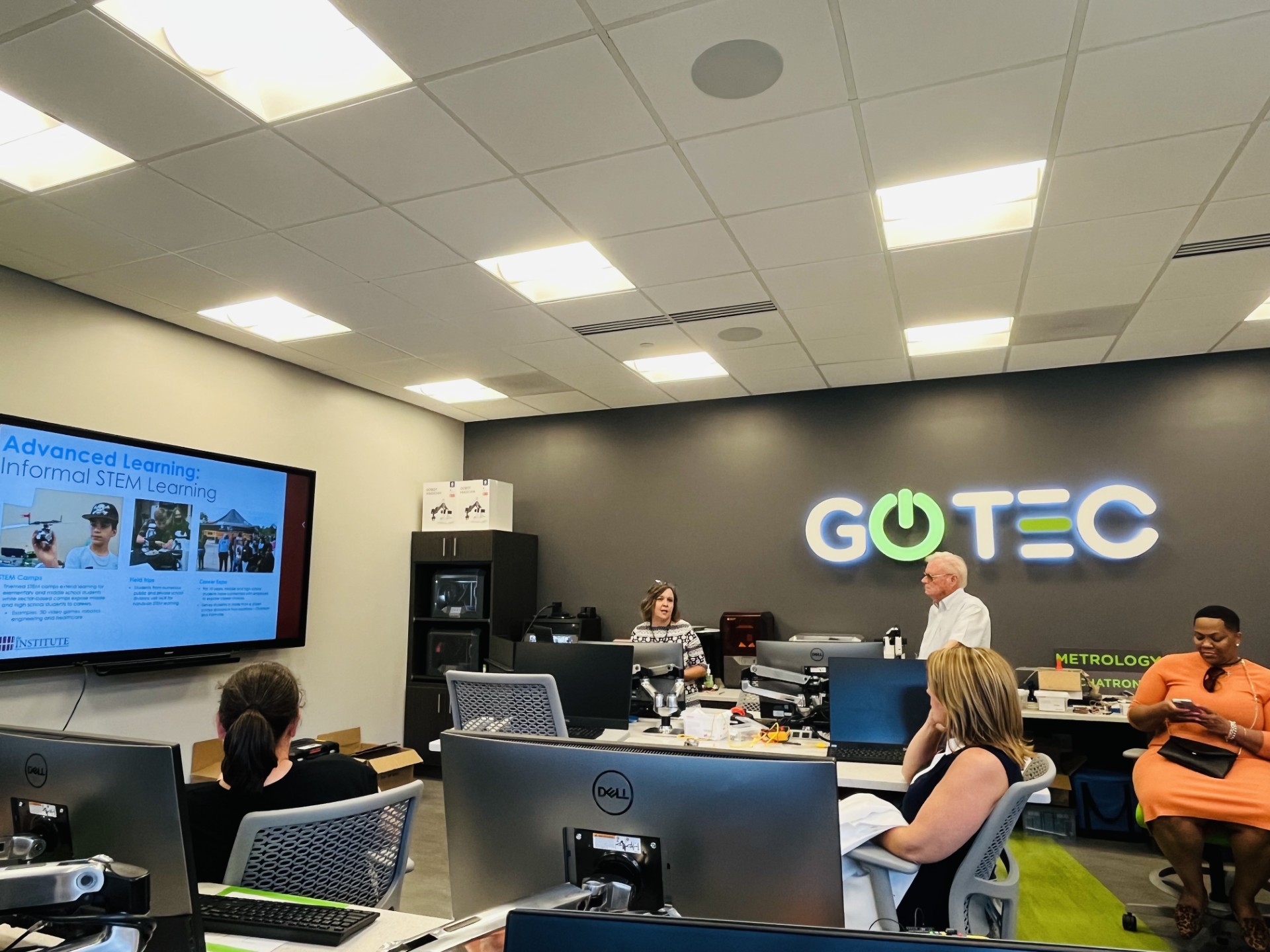
One of the standout initiatives at the IALR is the Great Opportunities in Technology and Engineering Careers (GO TEC) program. This visionary program is designed to bridge the skills gap and prepare the next generation of talent for high-demand careers in technology and engineering. Cohort members learned that GO TEC offers a comprehensive curriculum that spans middle school through post-secondary education, providing students with hands-on experience and training in fields such as robotics, automation, cybersecurity and advanced materials. By partnering with local schools, community colleges and industry leaders, GO TEC ensures that students are not only equipped with the technical skills needed for the workforce but also inspired to pursue in STEM fields.
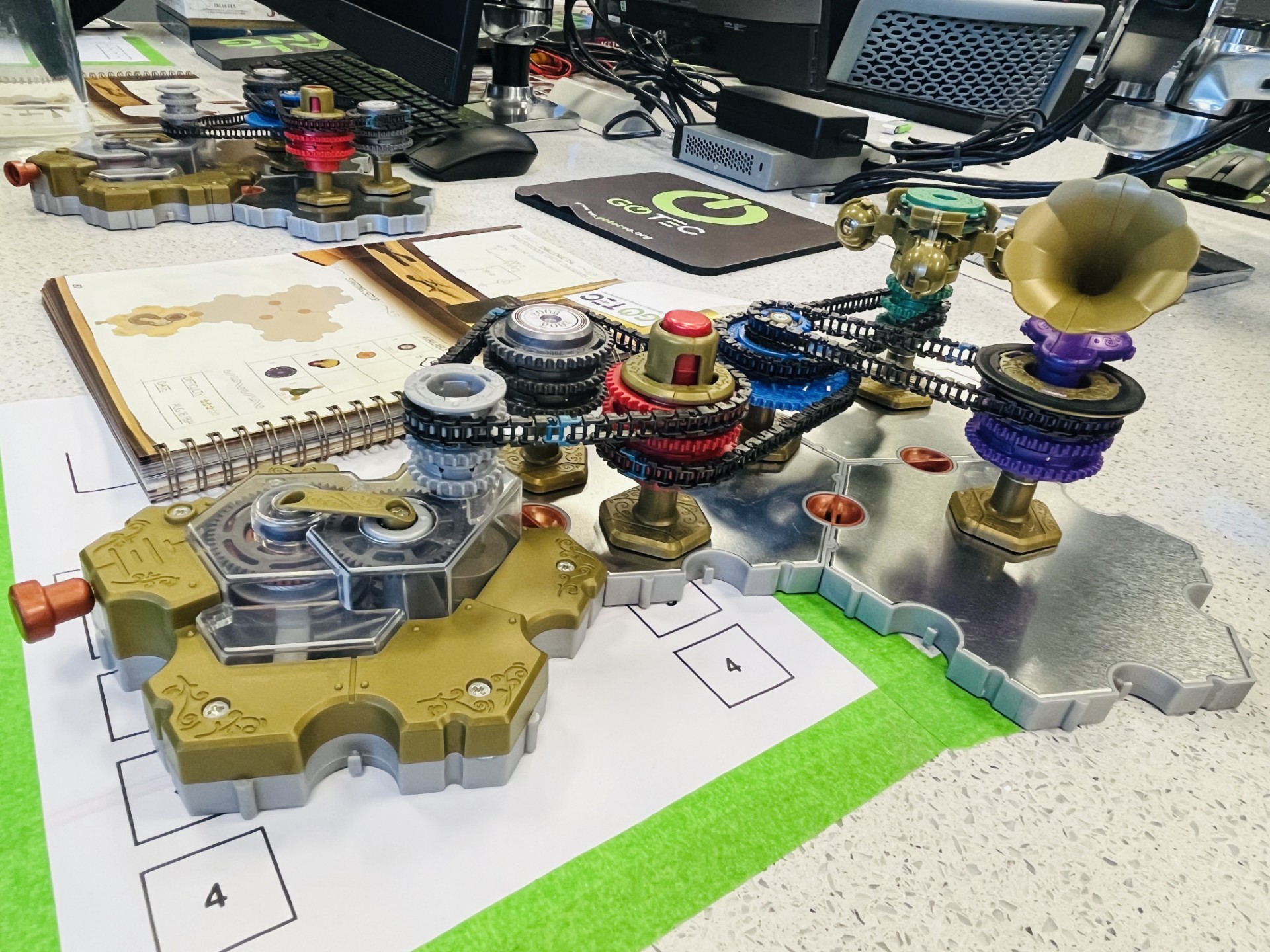
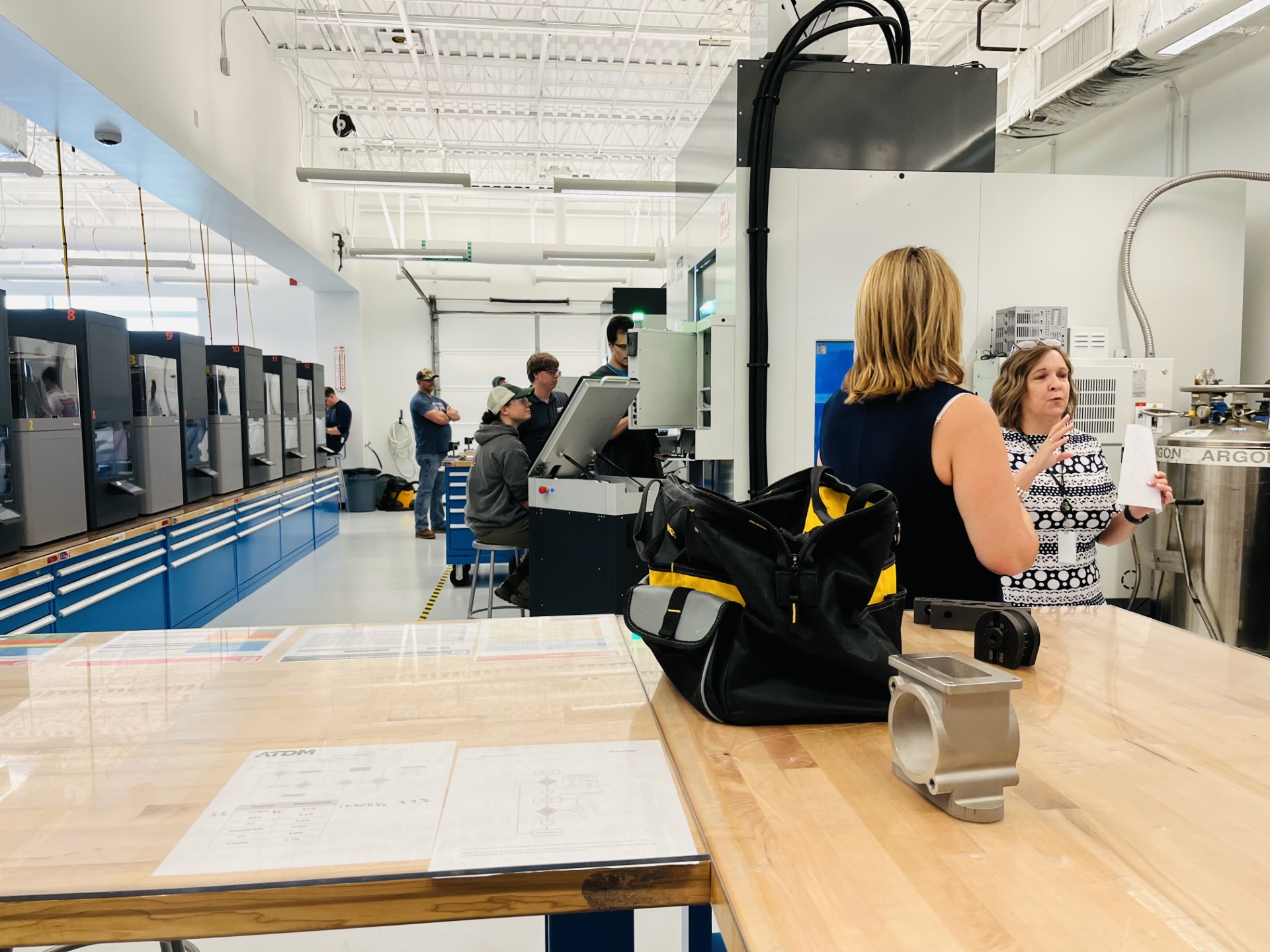
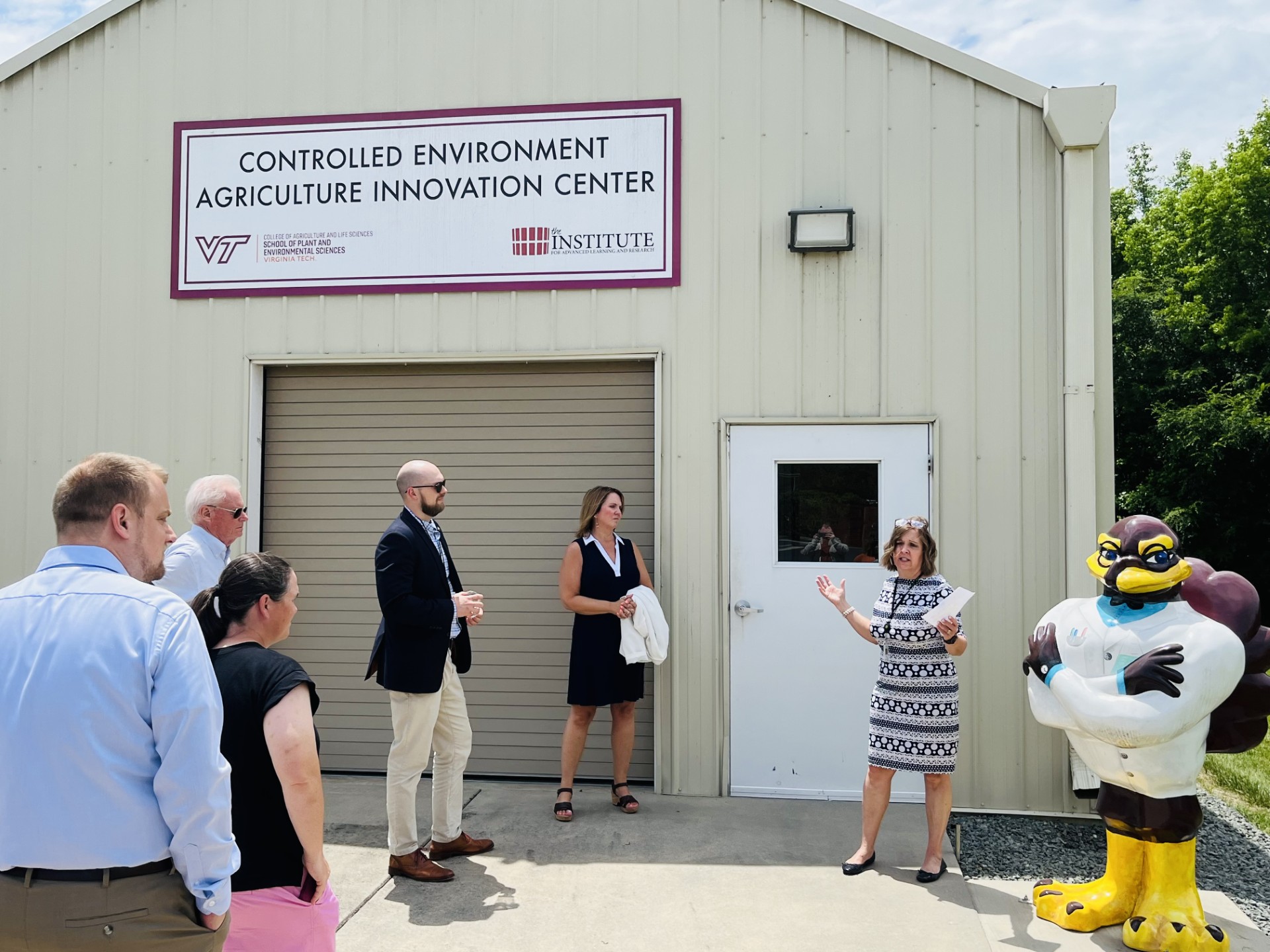
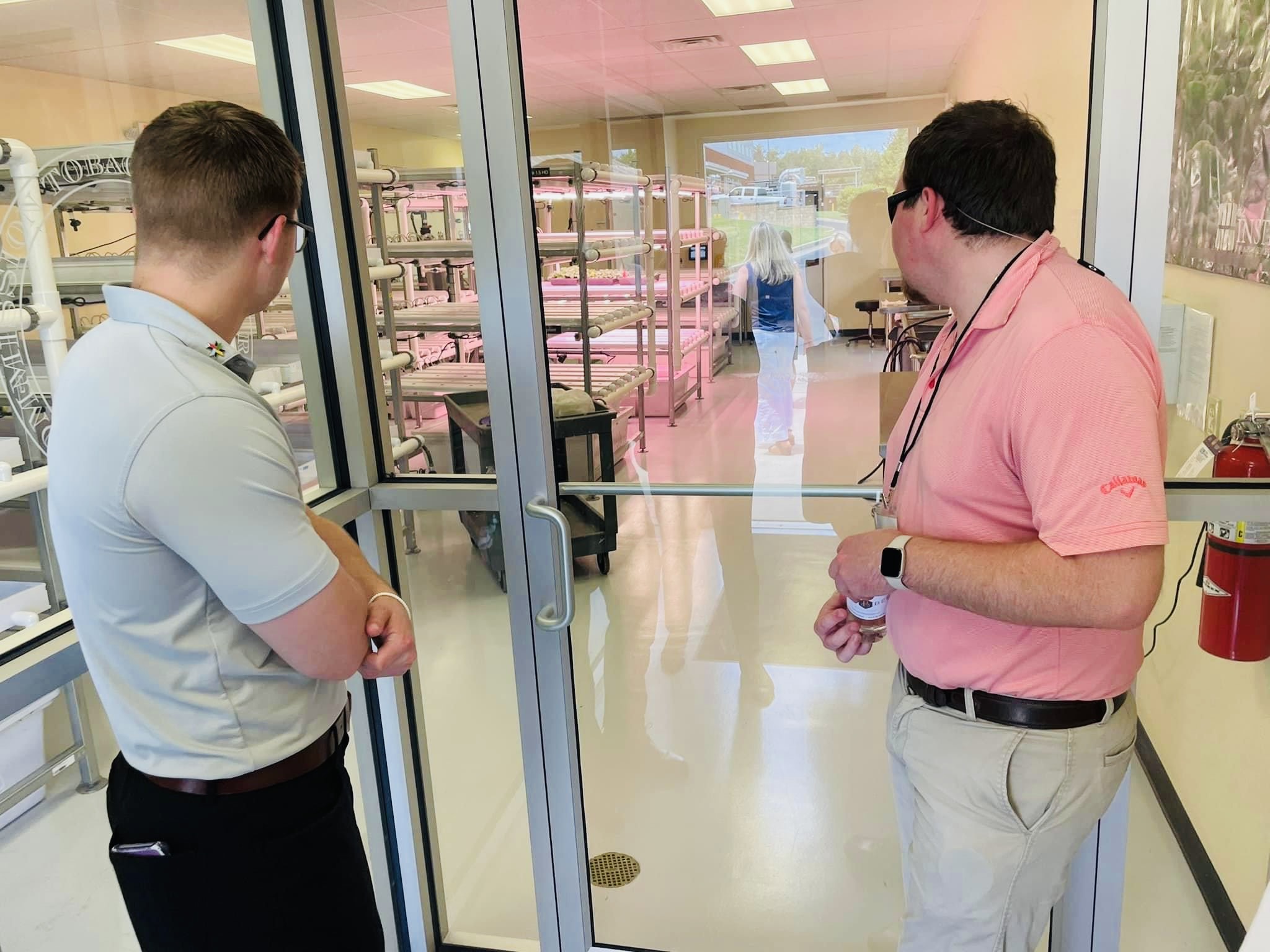
In the afternoon, cohort members heard from Linda Green, Executive Director of the Southern Virginia Economic Alliance. She provided valuable insights into regional economic development, helping cohort members gain a comprehensive understanding of how to effectively articulate and showcase (Southern) Virginia as a strategically advantageous location for developers with its accessibility, affordability and robust workforce solutions. Green underscored the significance of leveraging the region’s proximity to over 60% of the US population and 2/3 of the US industrial base, accessible within a day’s drive.
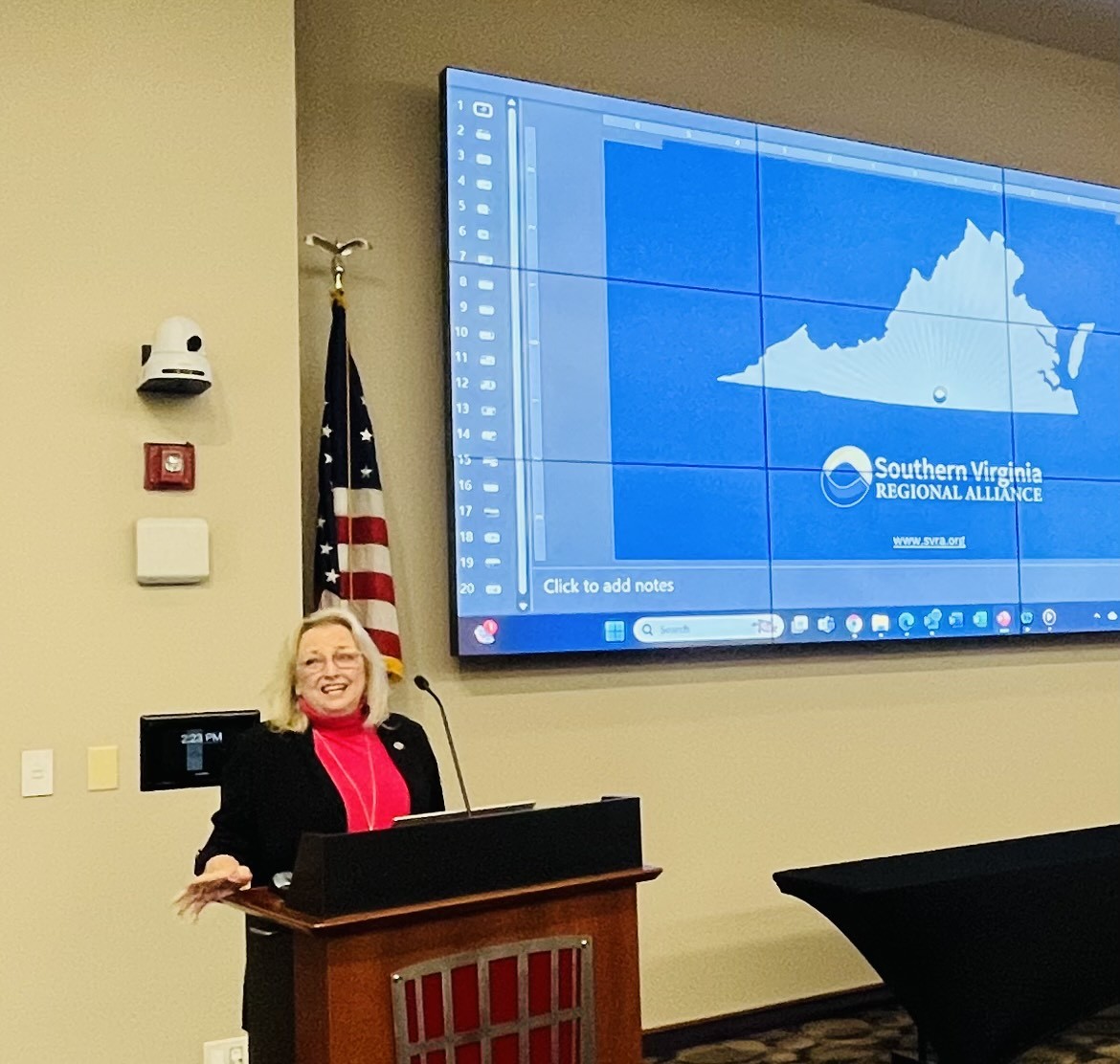
With a focus on the advantages of a low cost of living and doing business, coupled with stable taxes and a plethora of innovative workforce training facilities, companies thrive in Southern Virginia. Furthermore, the presence of more than 40 colleges and universities within a 2-hour radius, alongside an array of quality-of-life amenities, positions the region as an ideal locale for businesses seeking both operational efficiency and employee satisfaction. Cohort members emerged equipped to strategically leverage these factors, emphasizing how their communities and Southern Virginia can collectively foster an environment conducive to business success and enhanced bottom lines.
Bryan David, Program Director for the UVA Weldon Cooper Center for Public Service, expanded the conversation on regional economic development by directing cohort members’ attention towards the critical aspect of regional collaboration. He emphasized the importance of identifying and recruiting individuals within regional groupings who possess the necessary expertise to address regional opportunities and challenges effectively. Central to this approach is the establishment of a diverse and inclusive “regional table” comprised of stakeholders from various sectors and backgrounds, essential for fostering comprehensive solutions. David underscored the significance of engaging in targeted regional talks, employing strategic communication strategies tailored to the unique dynamics of the region to facilitate consensus-building and problem-solving. Ultimately, he stressed the imperative for informed regional decisions, highlighting the need for collective action and coordinated efforts to address and resolve regional opportunities and challenges.
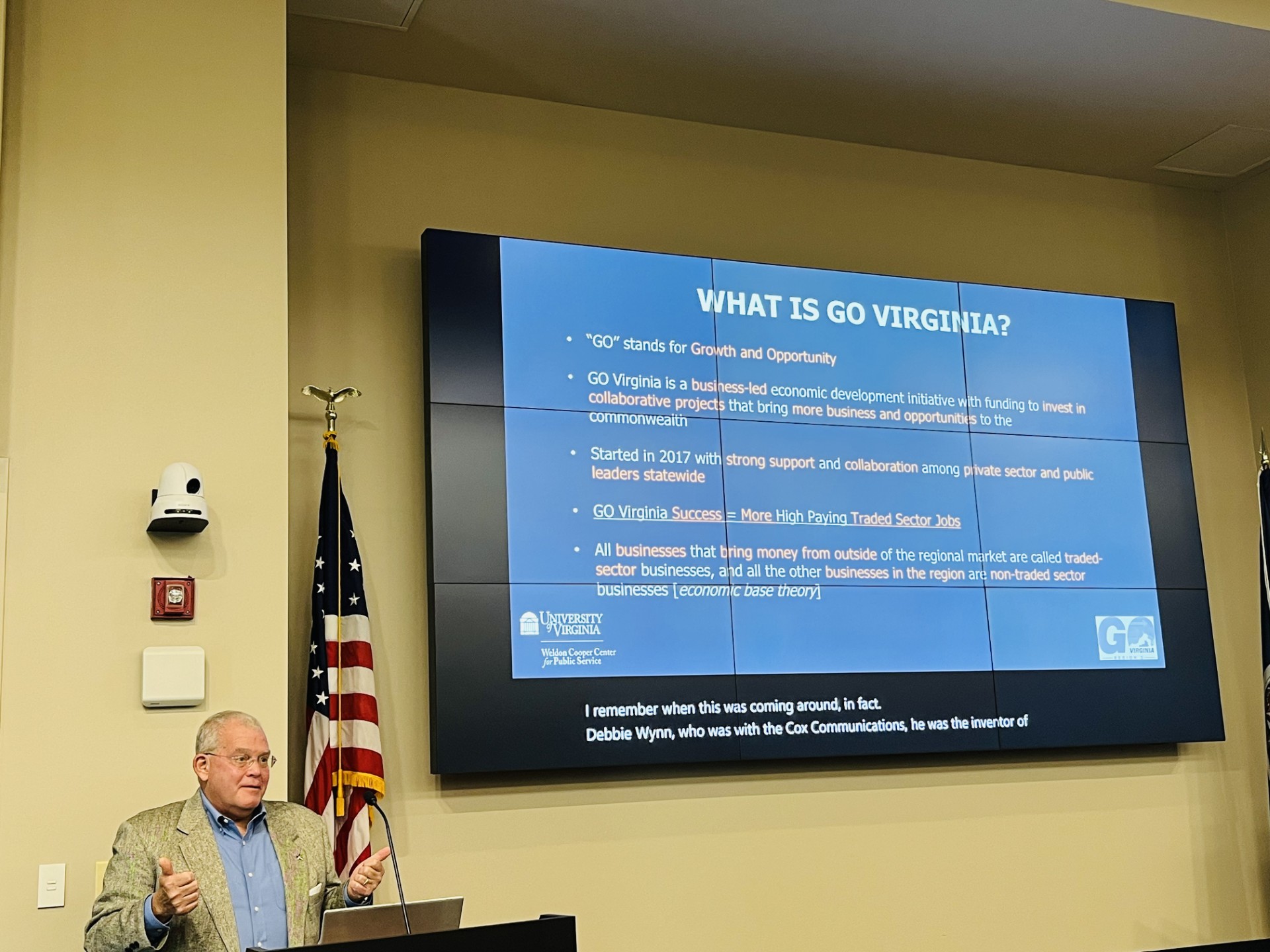
Serving on the Growth & Opportunity Virginia (GOVA) Region 3 Council, David also provided cohort members with valuable insights into the impactful initiatives undertaken by GO Virginia. Originating from the vision of Virginia’s senior business leaders, the program aims to stimulate private-sector growth and job creation through state incentives, fostering collaborative efforts among businesses, educational institutions, and government entities. It represents an avenue that cohort members can leverage in their meaningful pursuit of regional collaboration and community enhancement.
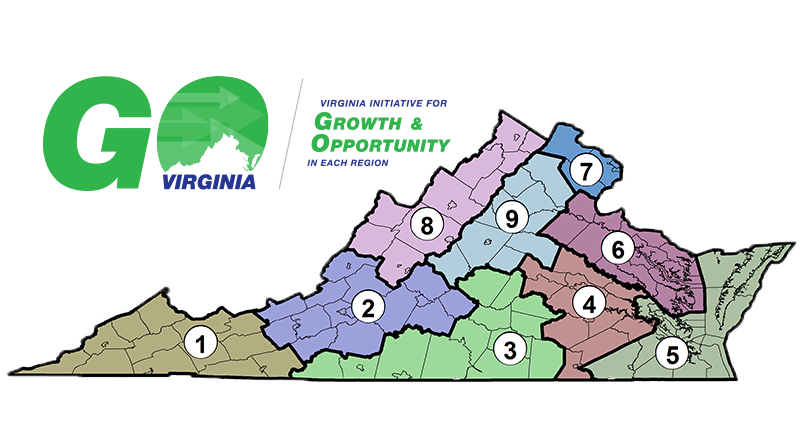
Since its inception in 2016, the Virginia Growth and Opportunity Board has certified nine distinct regions across the Commonwealth, each comprising multiple local jurisdictions with similar geographic and economic development characteristics. These Regional Councils have organically evolved, drawing upon the expertise of business leaders, economic development professionals, educators, and local government officials within each respective region. David emphasized notable achievements from Region 3, including the successful completion of 23 projects since 2017, amounting to over $20 million in investments and leveraging an additional $8 million from non-state, private sector, and philanthropic sources.
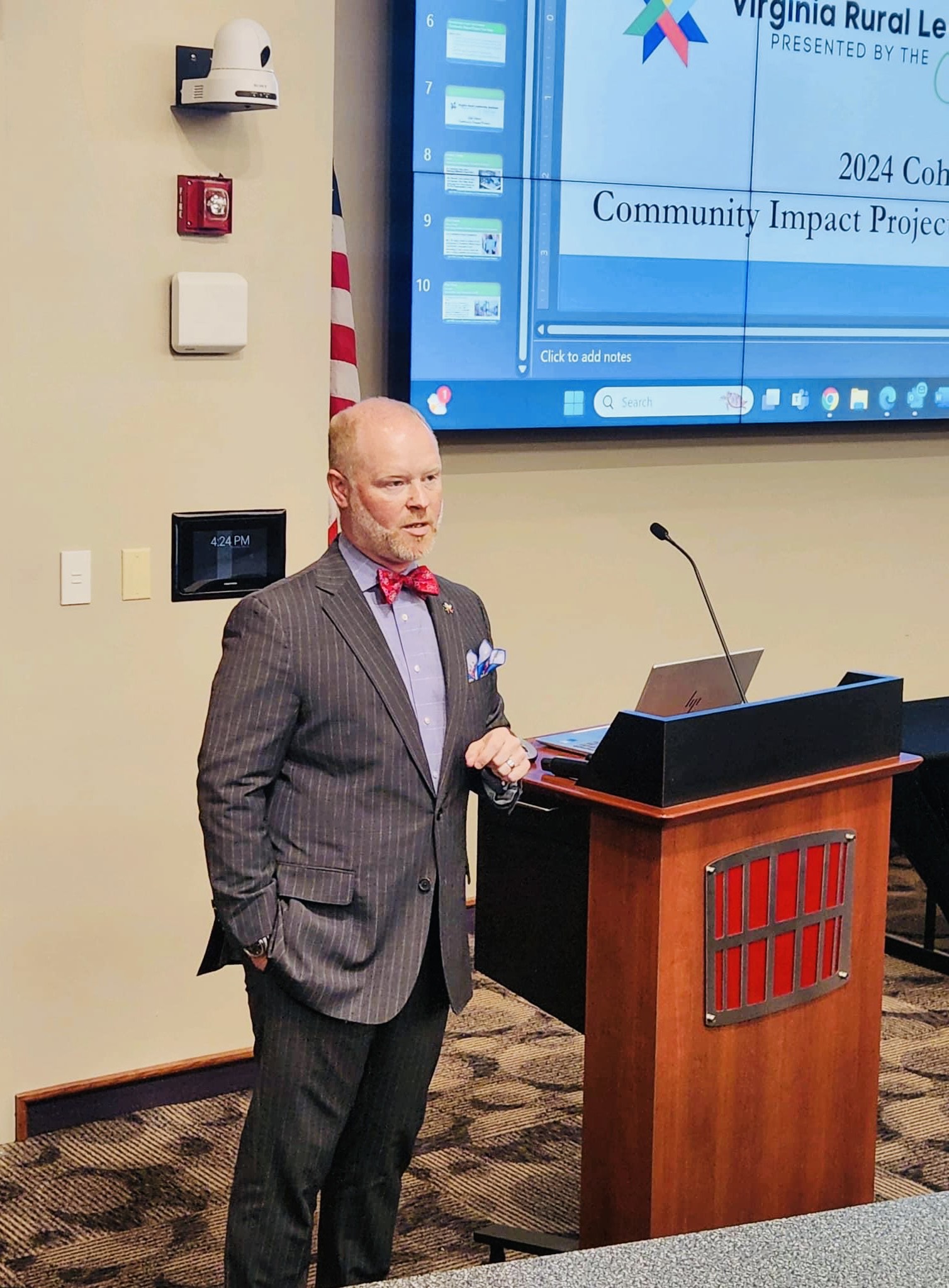
Before concluding at the Institute, cohort members were briefed on the Community Impact Project, an integral component of the VRLI program. This project mandates addressing a community need with a focus on economic and community development. To provide a tangible illustration of this endeavor, VRLI invited Shannon Hair, PhD, Vice President of Institutional Advancement & Development for Danville Community College, as a distinguished alum, to share insights into his own project aimed at combating food insecurity among community college students. Dr. Hair’s project centered on supporting the expansion of food emergency programs at Danville Community College, facilitating access to essential resources such as food pantry meals, campus meals, and grocery gift cards. The enduring success of this initiative serves as a compelling testament to its impact, offering cohort members a valuable blueprint for crafting their own projects that can effect meaningful change within their communities.
The day drew to a close with a dinner at Cotton at Riverside Mill, graced by the presence of Delegate Eric J. Phillips (District 48) who spoke about his dedication to championing Southside Virginia and his profound commitment to public service. Delegate Phillips imparted valuable wisdom to cohort members, urging them to contemplate the essence of service and the profound privilege it entails in working for the betterment of their communities. As the evening unfolded, amidst enjoying a delectable meal, cohort members engaged in reflective discussions, deepening their camaraderie and fostering a sense of shared purpose. It marked a fitting conclusion to a day filled with enlightening discoveries and enriching experiences!


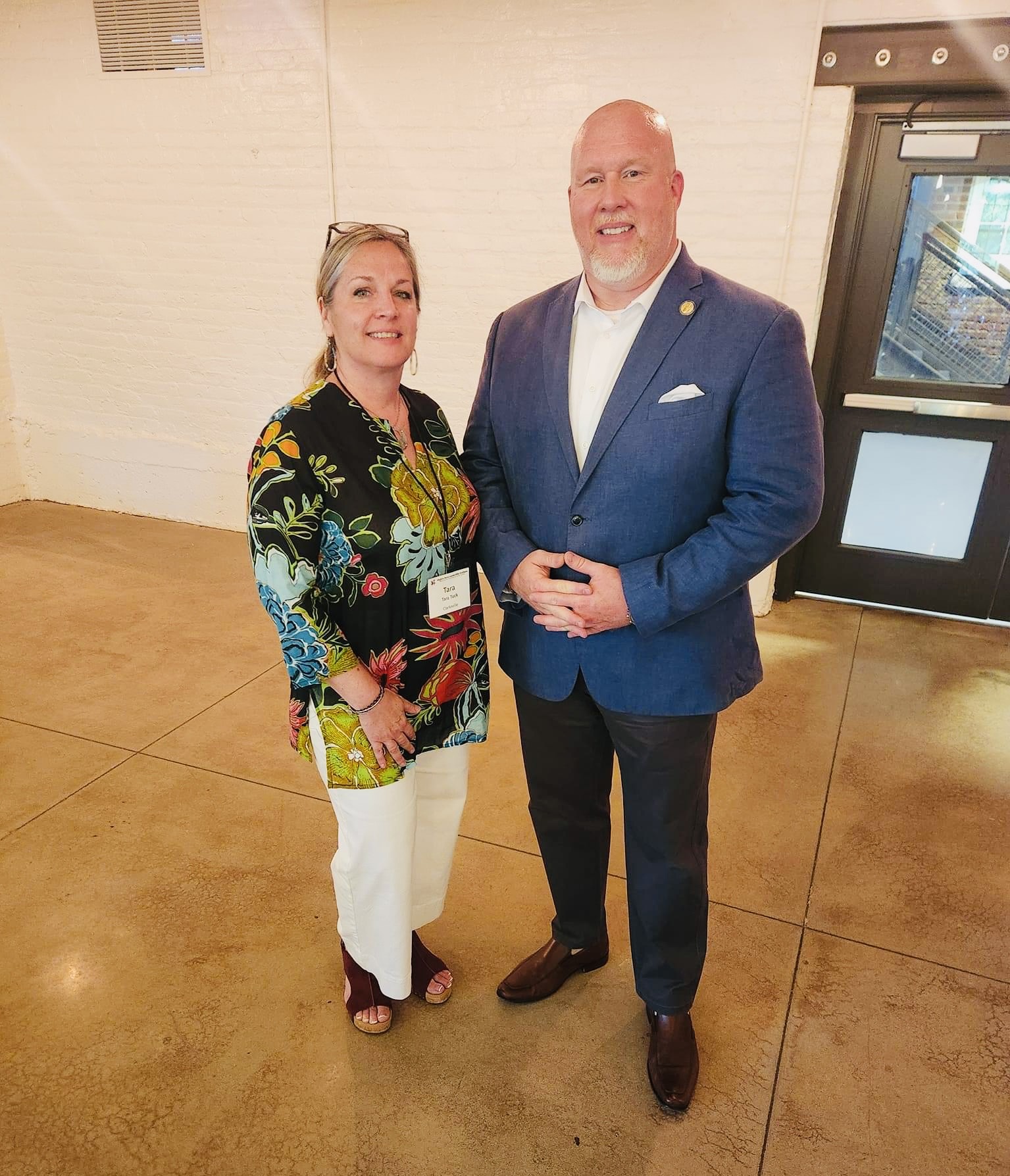
Day 3 | May 24, 2024
After two awesome days in Danville, cohort members traveled to South Boston on the final day of Session 1, visiting the SOVA Innovation Hub in downtown South Boston! Commencing the day’s proceedings was a dialogue centered on rural entrepreneurship, indicators and demographics, as well as a tour of the Hub.
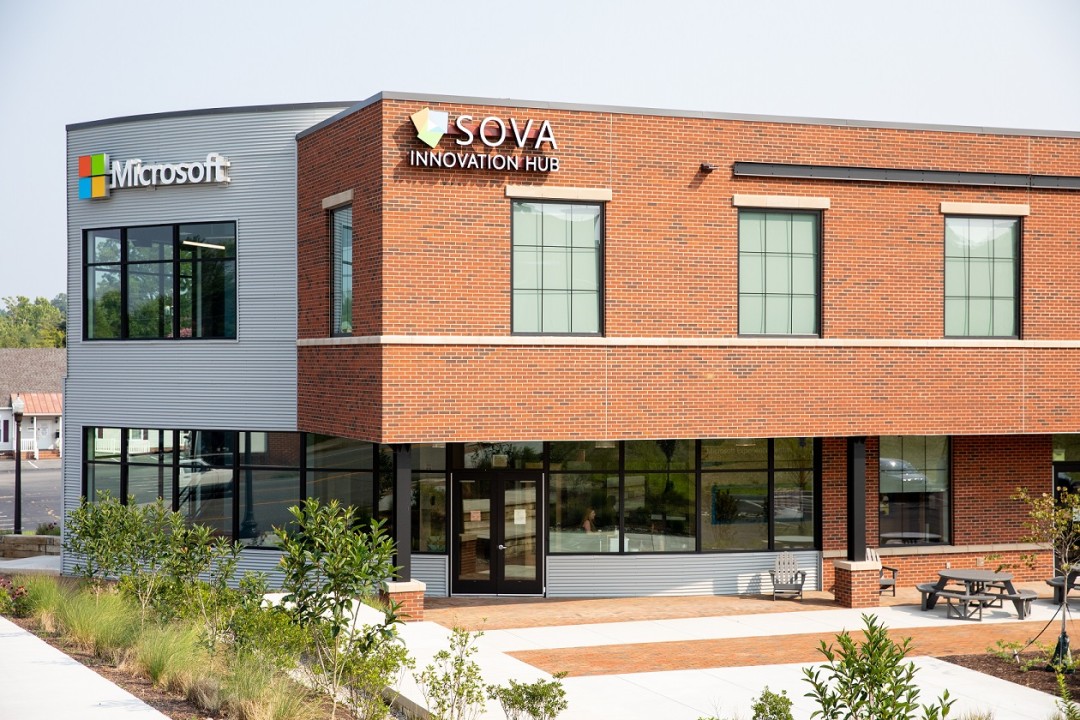
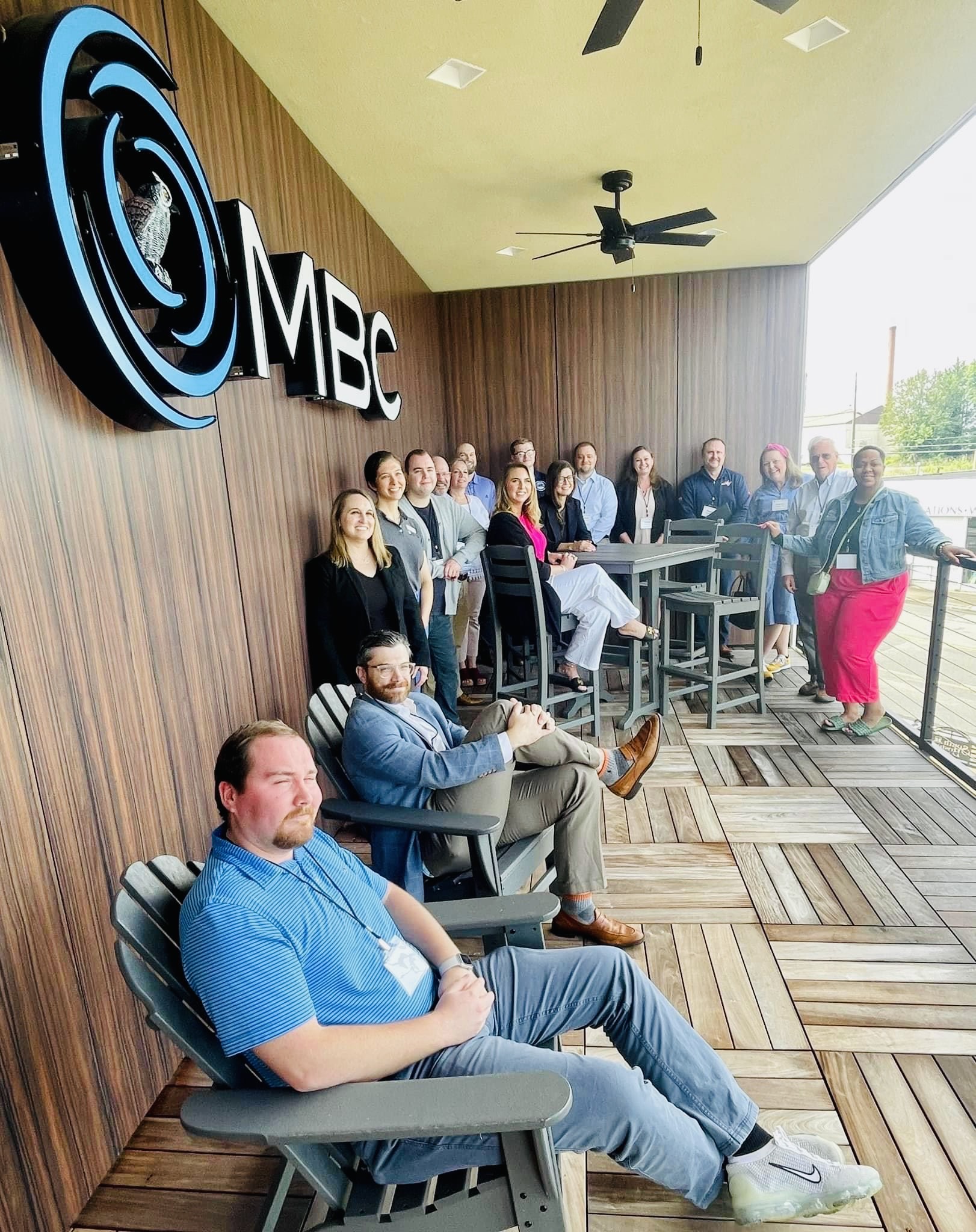
In 2017, Microsoft Philanthropies identified Mecklenburg, Halifax, Charlotte, Lunenburg and Brunswick counties as recipients for the Microsoft TechSpark program, aimed at fostering job creation through digital skills and digital transformation. The following year, the vision for the Hub was conceived by the Mid-Atlantic Broadband Communities Corporation (MBC) and Microsoft, with the purpose of serving as a regional nexus for individuals, collaborators, and initiatives, thereby solidifying its position as the flagship project under Microsoft TechSpark.

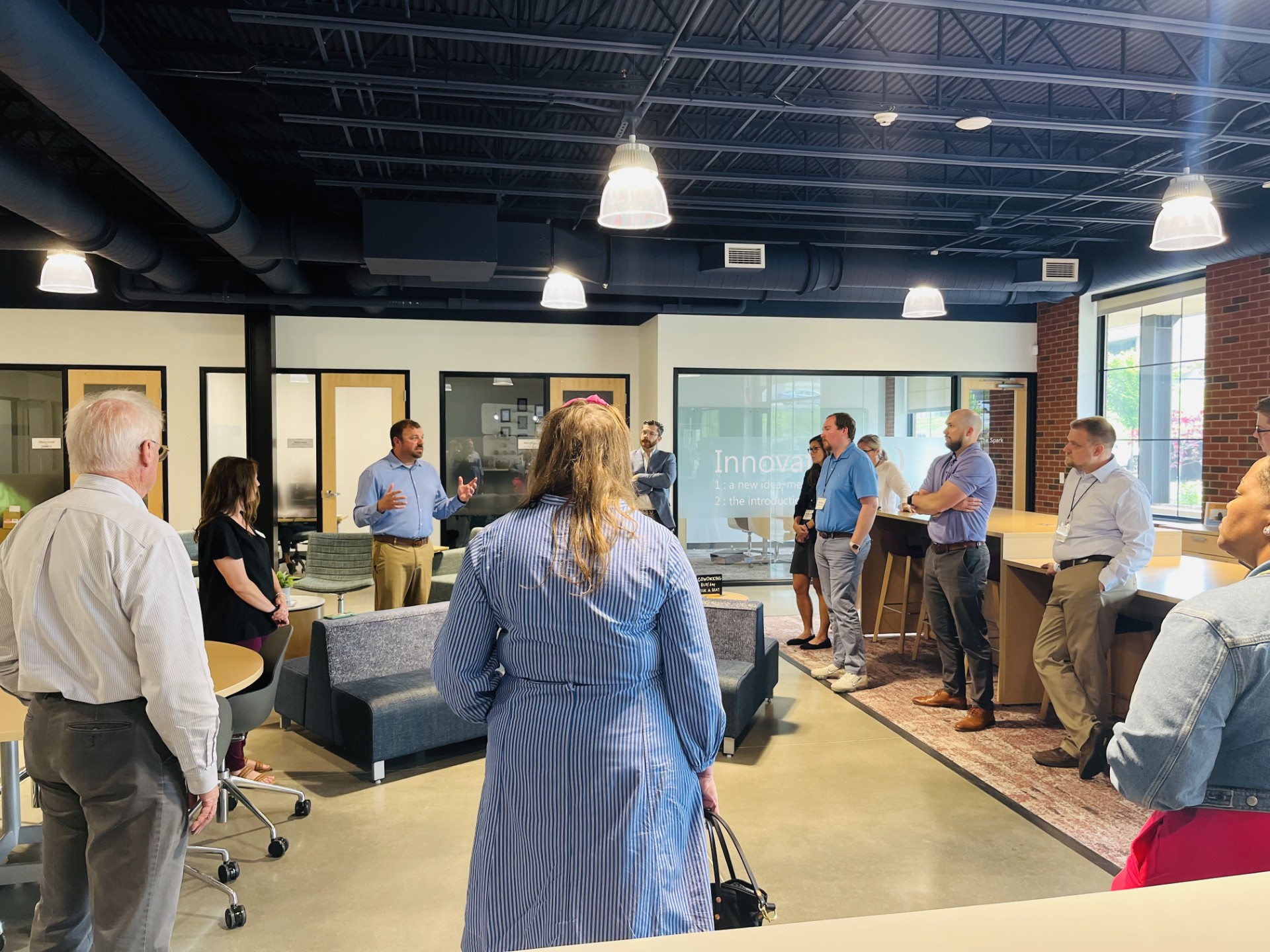
Lauren Mathena, Director of Economic Development & Community Engagement for MBC, spoke about how MBC is dedicated to advancing the innovation economy in Southern Virginia and how the Hub unites businesses and educational partners to provide innovative programs, such as RISE Collaborative, that inspire the citizens of Southern Virginia to pursue careers in the digital sector and entrepreneurship. Cohort members were able to tour the Hub and check out its state-of-the-art coworking and meeting spaces, as well as the Microsoft Experience Center, which creates an immersive environment where you can engage with cutting-edge digital applications and interact with technology experts. Cohort members learned that the center is tailored specifically for Southern Virginia, focusing on content relevant to key regional industries such as agriculture, manufacturing, healthcare and small business.

Jeremey Satterfield, Manager for Techspark Virginia, informed cohort members that Microsoft has designated the SOVA Innovation Hub as the cornerstone for its TechSpark Virginia initiatives. Beyond providing technological resources, the Hub serves as a central venue for fostering regional collaborations aimed at delivering programming, workshops and events geared towards promoting entrepreneurship and broadening digital skills and career prospects within the community. Situated in Southern Virginia, one of six TechSpark regions nationwide, this program is strategically aligned to drive job creation and economic advancement by prioritizing areas such as computer science education, digital skills enhancement, career pathway development, digital transformation initiatives, support for nonprofit organizations and the expansion of rural broadband access.

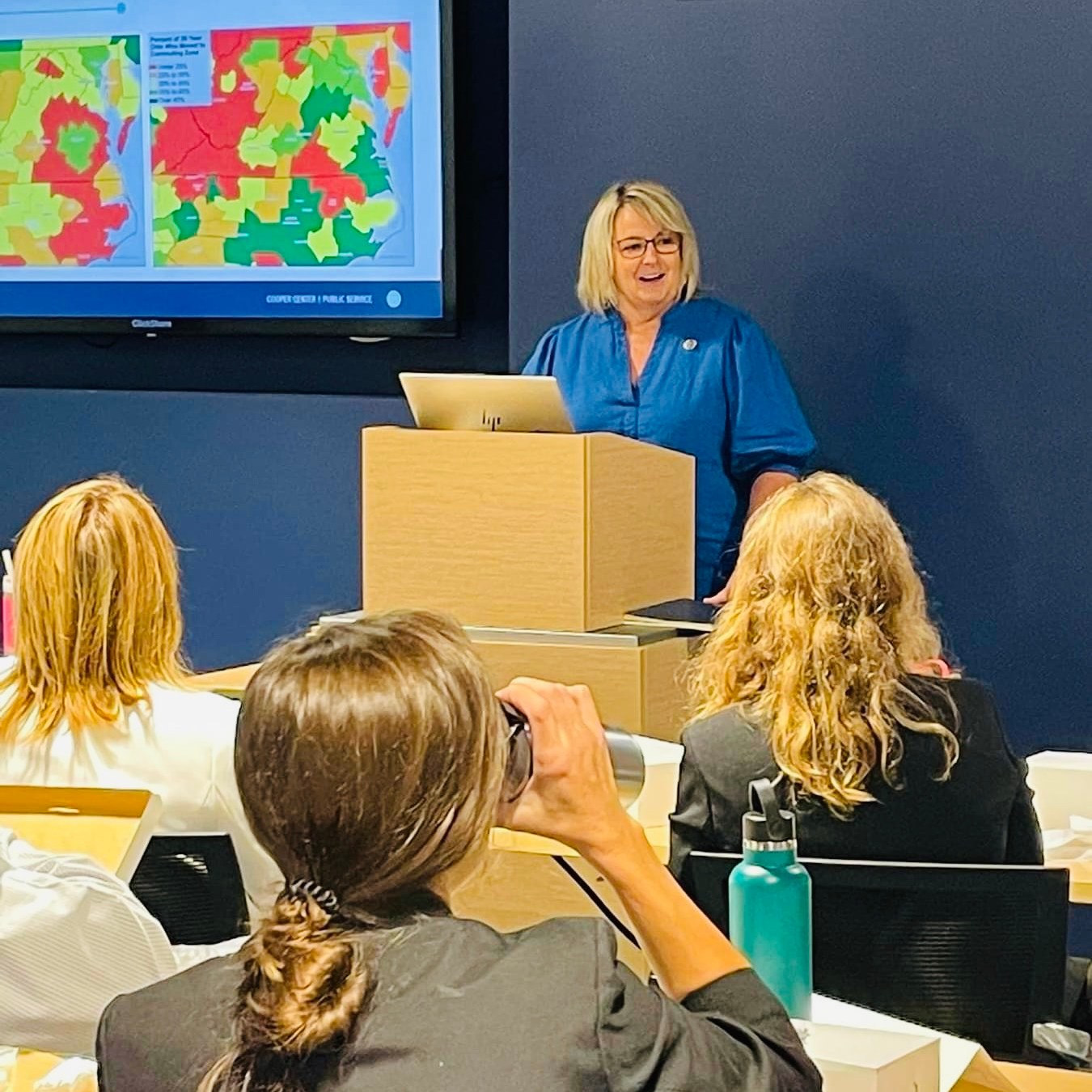
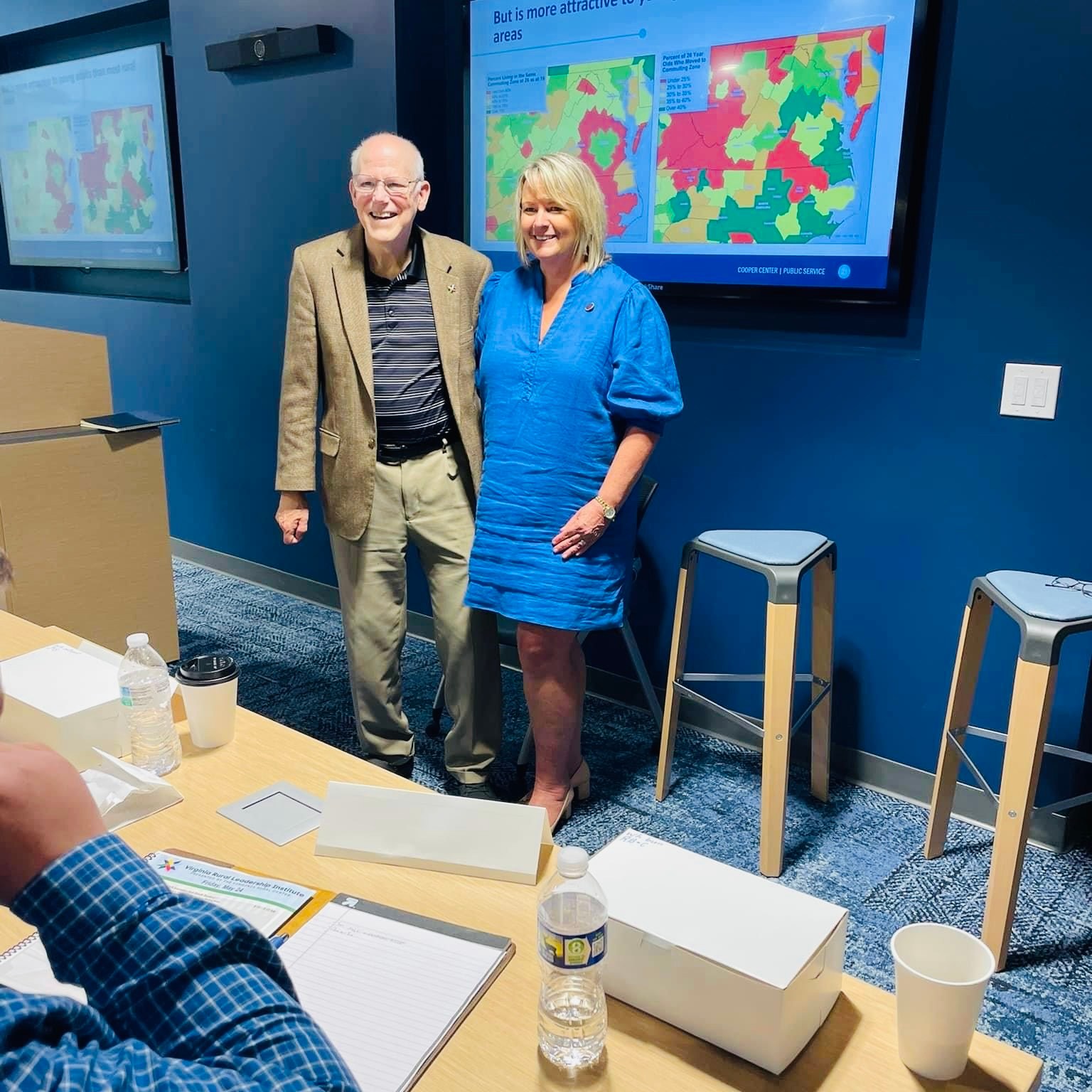
Following a highly informative introduction to the Hub and a comprehensive tour of the facility, Hamilton Lombard, Demographer for the UVA Weldon Cooper Center for Public Service, delivered an insightful presentation on demographic trends in Virginia. He provided an in-depth analysis of how cohort members can leverage census data to examine community and regional population dynamics.
Lombard highlighted the factors influencing population growth and decline in various counties, offering a nuanced understanding of these trends. Additionally, he discussed the evolving nature of remote work, emphasizing its lasting impact despite ongoing changes. His presentation underscored the importance of demographic analysis in strategic planning and decision-making, equipping cohort members with the tools to navigate and address the demographic challenges facing their communities.
The day concluded with a special visit from Senator Tammy Mulchi (District 9) and former Senator Frank M. Ruff, Jr. (District 15). Senator Mulchi and Senator Ruff, who is also the former Chair and Founding Member of the Center for Rural Virginia, joined cohort members for lunch at the Hub and expressed their longstanding support for the Center. They both emphasized their pride in its continued efforts to make rural Virginia a place where people can grow up, learn, secure good jobs, and raise their families.
Both senators spoke passionately about their deep-rooted connections to rural Virginia and its agricultural community and encouraged cohort members to enhance economic opportunities and preserve the quality of life throughout the region that so many people enjoy. The pivotal role that VRLI plays in developing leaders dedicated to achieving these goals was especially noted by Senator Ruff. His and Senator Mulchi’s presence and words of encouragement underscored the importance of strong leadership in fostering the growth and sustainability of rural communities.
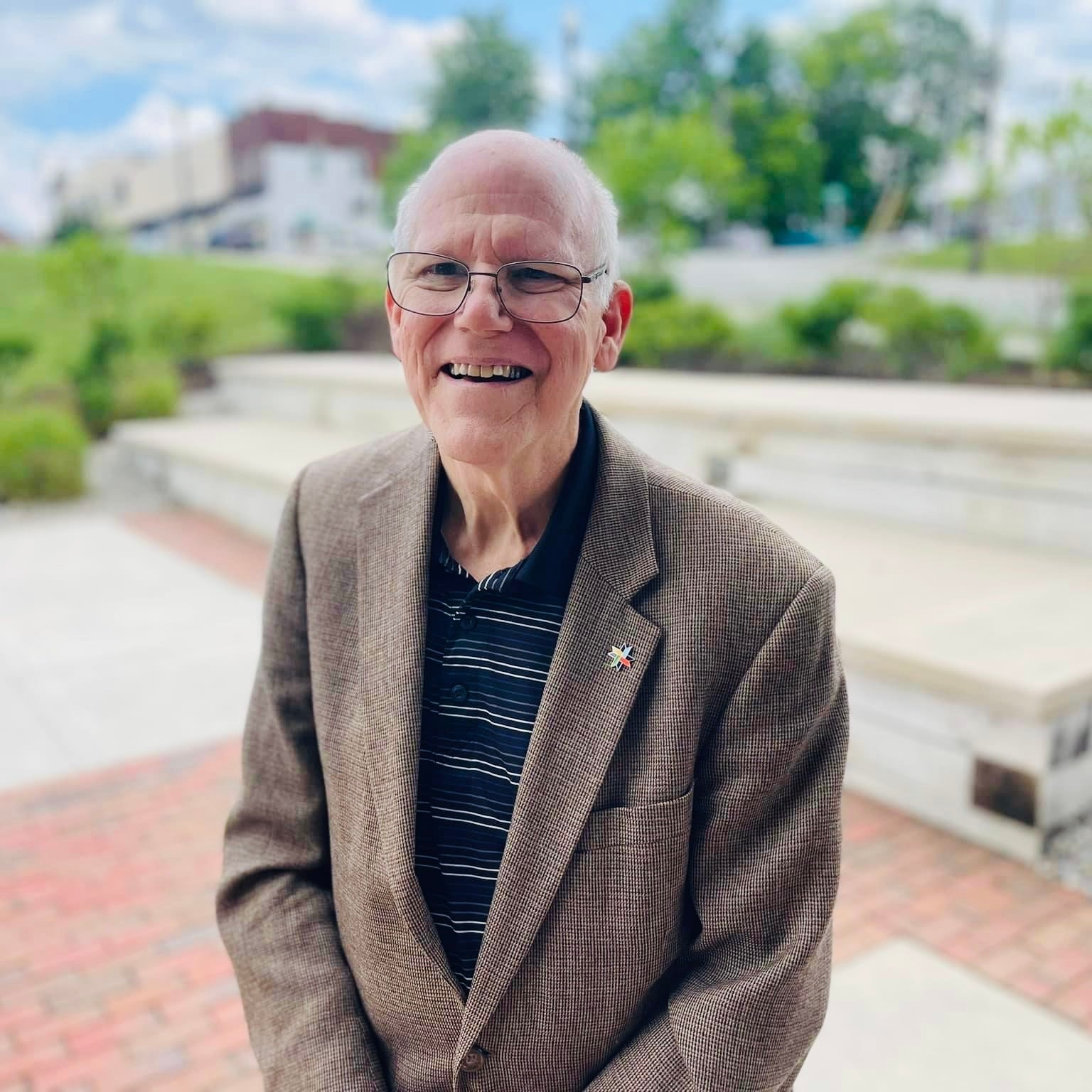
On March 26, 2024, Governor Glenn Youngkin signed legislation, HB 1381 and SB 704, to rename the Center for Rural Virginia as the Senator Frank M. Ruff, Jr. Center for Rural Virginia. Click here to learn more!
Session 2 will take place in Bristol, Virginia on July 17-19 with stops in Abingdon and Marion. Stay tuned for highlights and to learn more about what VRLI cohort members are learning this year!
Photo Credit (SOVA Innovation Hub exterior): LinkedIn
Photo Credit (GO Virginia Logo / Regions): Cardinal News
Photo Credit (VRLI Session 1 images): Virginia Rural Center / Zachary Whitlow
 Virginia Main Street