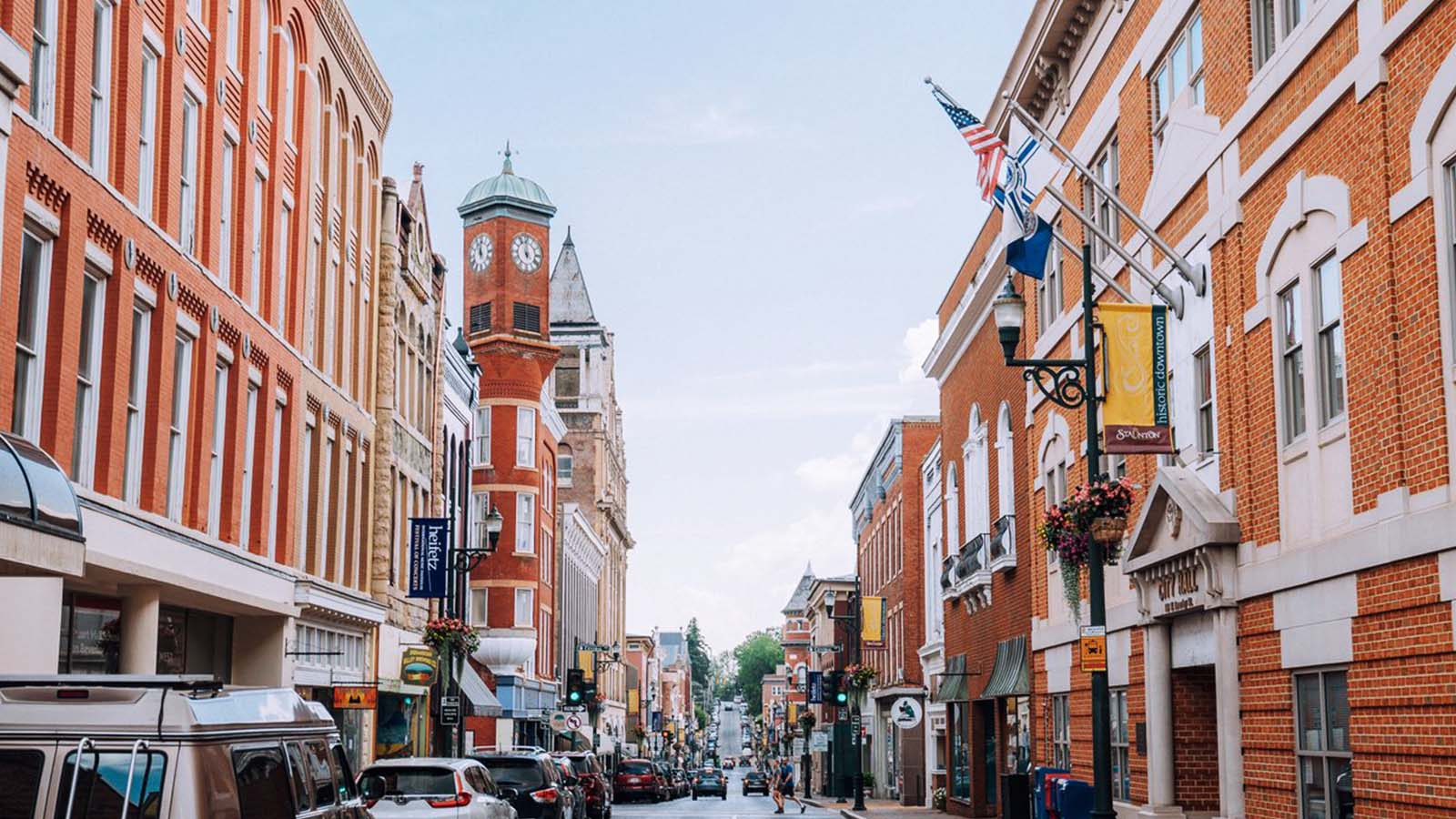
Many communities know something isn’t working in their downtown, but struggle to pinpoint what. It’s not a lack of ideas. More often, it’s a lack of shared perspective of what’s happening on the ground. Without that clarity, it becomes difficult to prioritize improvements, move projects forward, or connect physical changes to broader goals like business activity and overall district vitality.
At the recent National Main Street Conference in Tulsa, one session offered a simple way to approach this challenge: Dr. Wei Liu (University of Oklahoma) shared a straightforward framework for evaluating downtown environments — something that could be used quickly in the field, without requiring a formal study.
Rather than letting it sit as a takeaway, Commonwealth Preservation Group adapted that framework into a practical tool for Virginia Main Street communities—designed to help move from observation to action.
How the Tool Works
The 8-Point Visual Check is designed as a quick walking audit. You can use it on your own for a quick check-in, with your board as part of a work session, or with volunteers and stakeholders to build a shared understanding. There is a truth to be found by having multiple perspectives.
Start with just one block, corridor, or area of focus. As you walk, you’ll evaluate each category and note whether it is:
- Performing well and should be maintained
- An opportunity area where gaps need to be addressed
- A priority area where immediate action can be taken
The goal isn’t perfection—it’s to start noticing patterns and having more focused conversations about what you’re seeing.
What You Should Be Looking For
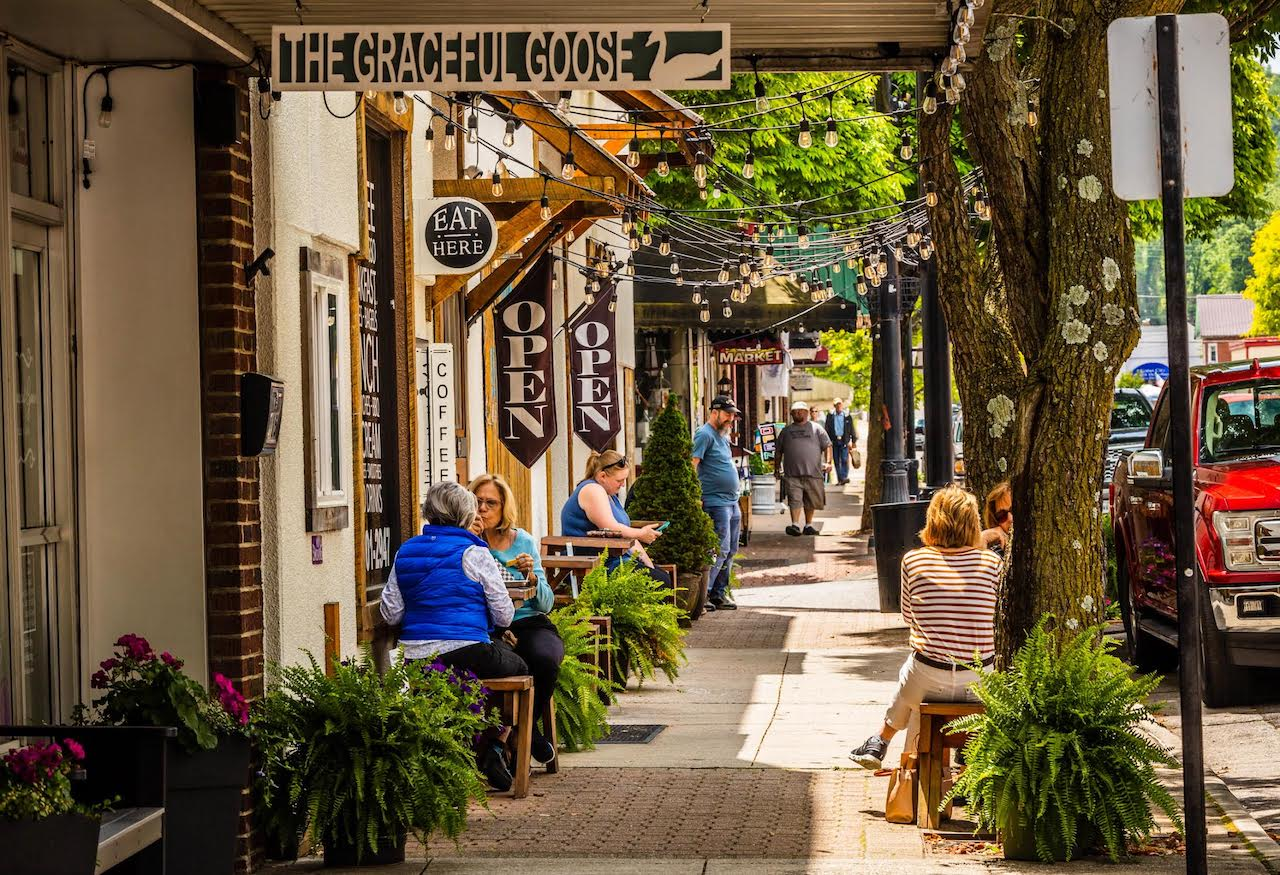
The tool focuses on eight elements that shape how a downtown looks, feels, and functions:
- Continuity of street edge
- Sidewalk quality
- Parking balance
- Pedestrian crossings
- Activation
- Shade
- Lighting
- Identity
Together, these provide a simple way to “read” a place more clearly and consistently. The full checklist includes definitions, prompts, and space for notes to guide your observations.
What This Can Help With
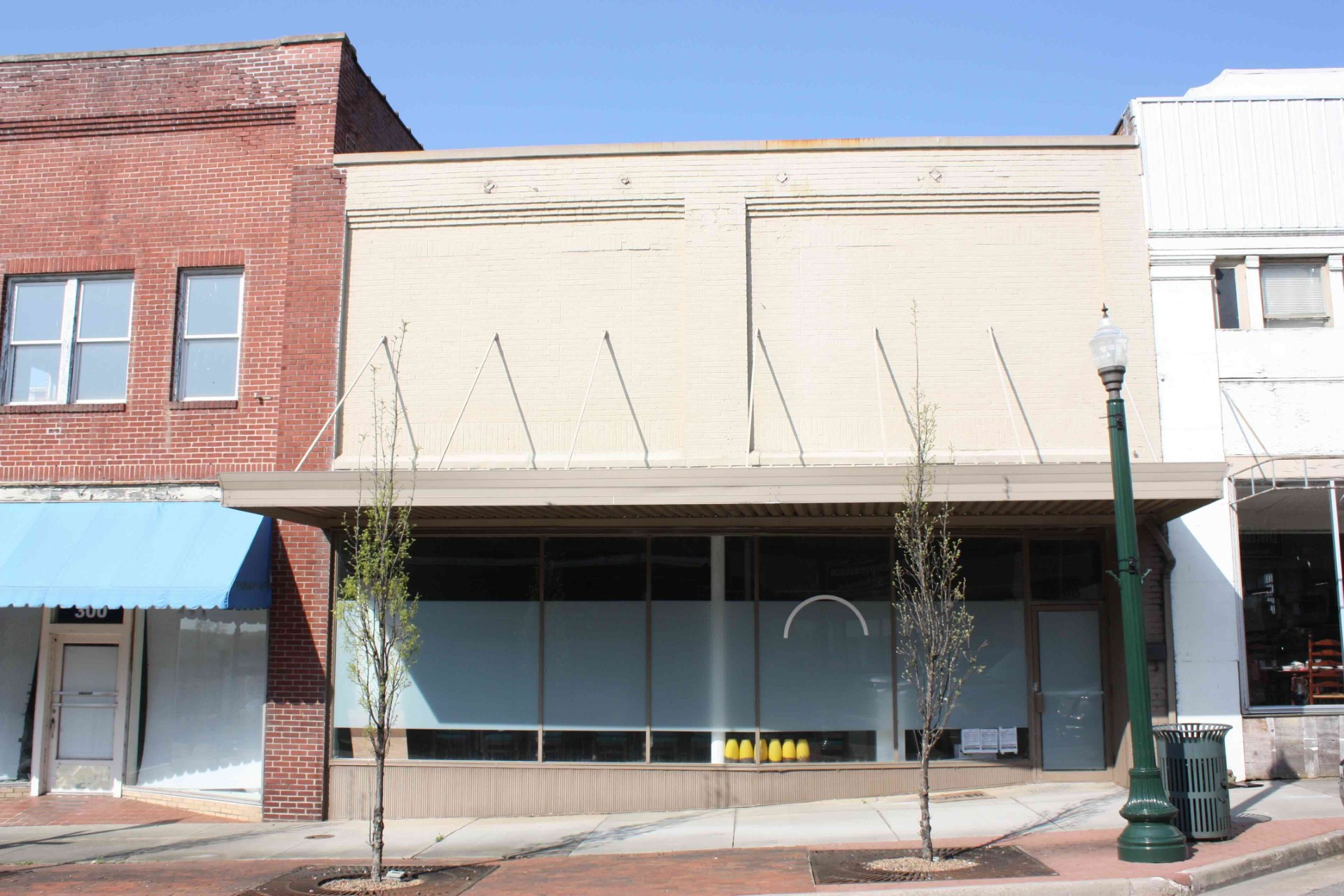
When you start using a shared framework like this, conversations tend to shift quickly. Instead of general concerns, you notice more specific things — where activity is inconsistent, or where comfort and access could be improved.
That kind of clarity makes it easier to focus on small, targeted improvements, build momentum around achievable projects, support grant applications and planning efforts, and connect physical changes to broader economic vitality goals.
Download the Tool
A printable version of the 8-Point visual check is available to use with your board, volunteers, or partners. Print this file off, bring a clipboard, and take a short walk through your Main Street district and see what stands out.
Author

Susan V. Lancaster is the Virginia Main Street Design Manager at Commonwealth Preservation Group (CPG), working with local Advancing Main Street programs and municipal partners to strengthen downtown growth through practical, community-based design tools. She can be reached at susan@commonwealthpreservationgroup.com.

