Many Virginia Main Street organizations operate as 501(c)(3) nonprofits, but nonprofit status alone does not exempt an organization from Virginia’s Freedom of Information Act (FOIA).
During a recent Advancing Virginia Main Street Board Forum, Megan Rhyne, Executive Director of the Virginia Coalition for Open Government, explained that a nonprofit may be subject to FOIA if it functions as a public body under Virginia law. This can occur when an organization is wholly or principally supported by public funds or when it performs a delegated governmental function on behalf of a local government. Rhyne noted that a commonly used guideline is whether approximately two-thirds of an organization’s budget comes from public sources, including state and local government grants.
If a nonprofit qualifies as a public body, it must comply with FOIA requirements. Those obligations may include designating a FOIA officer, responding to public records requests, providing public access to records, posting meeting notices, holding open meetings, and making approved meeting minutes available to the public.
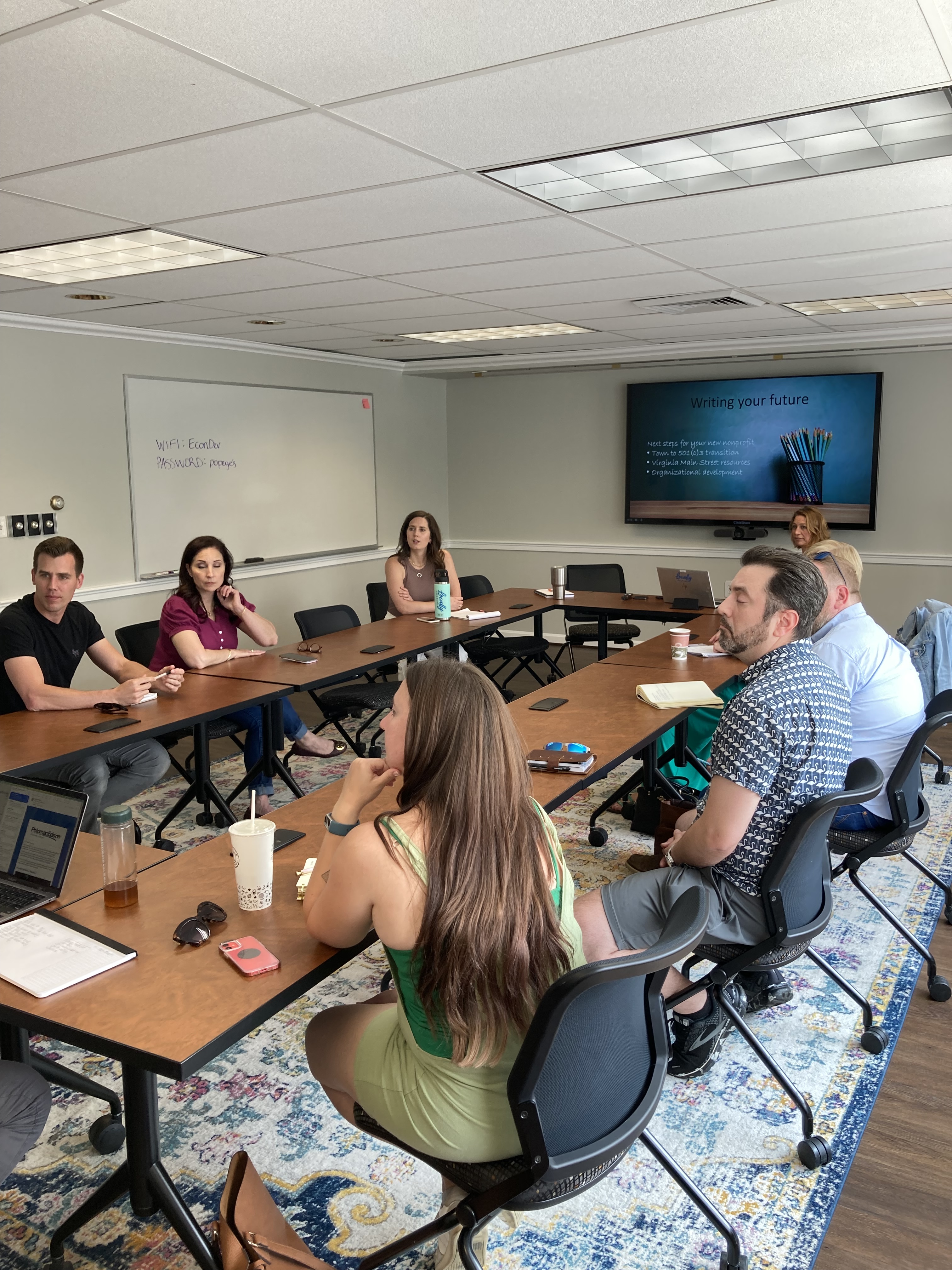
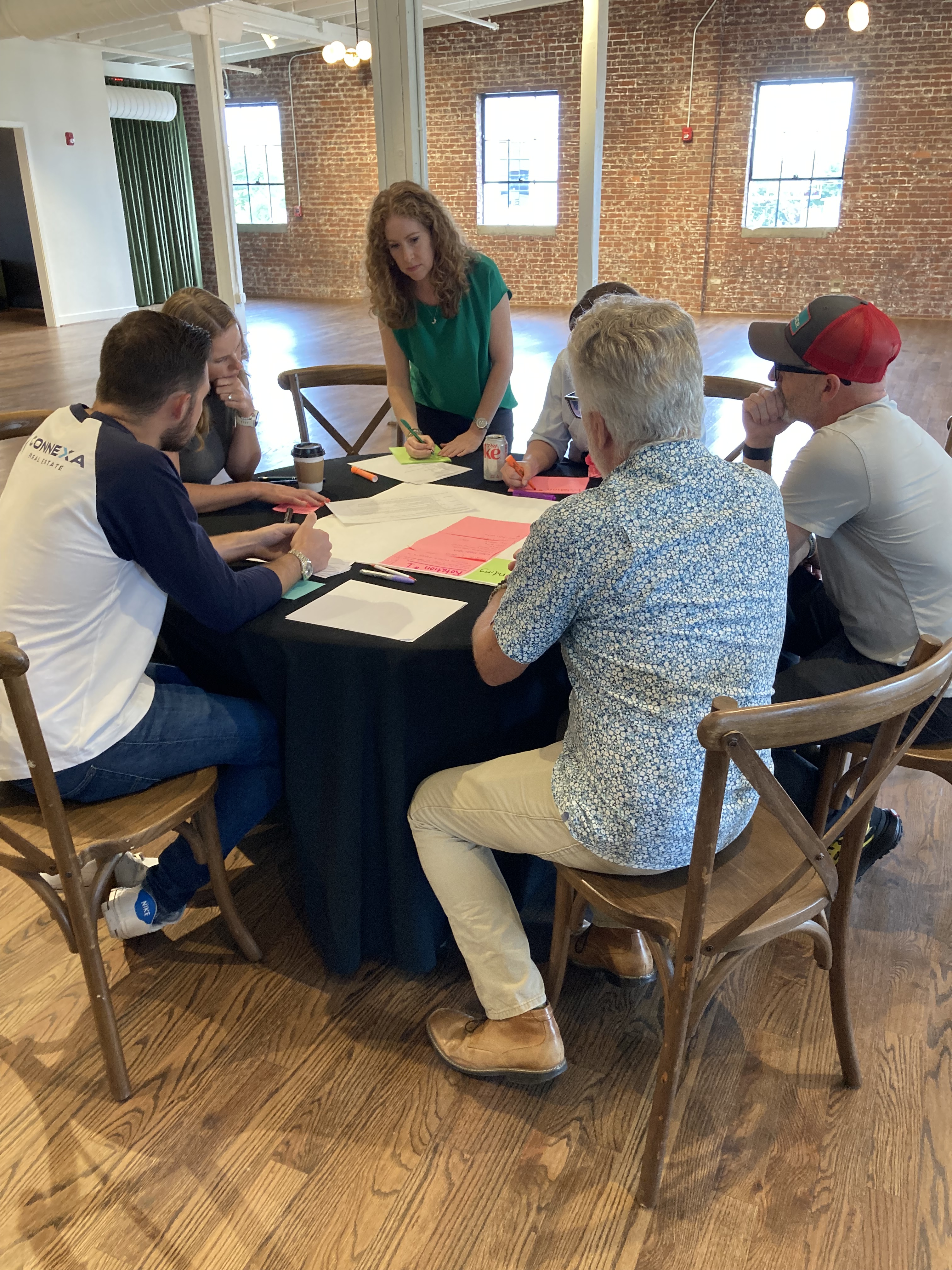
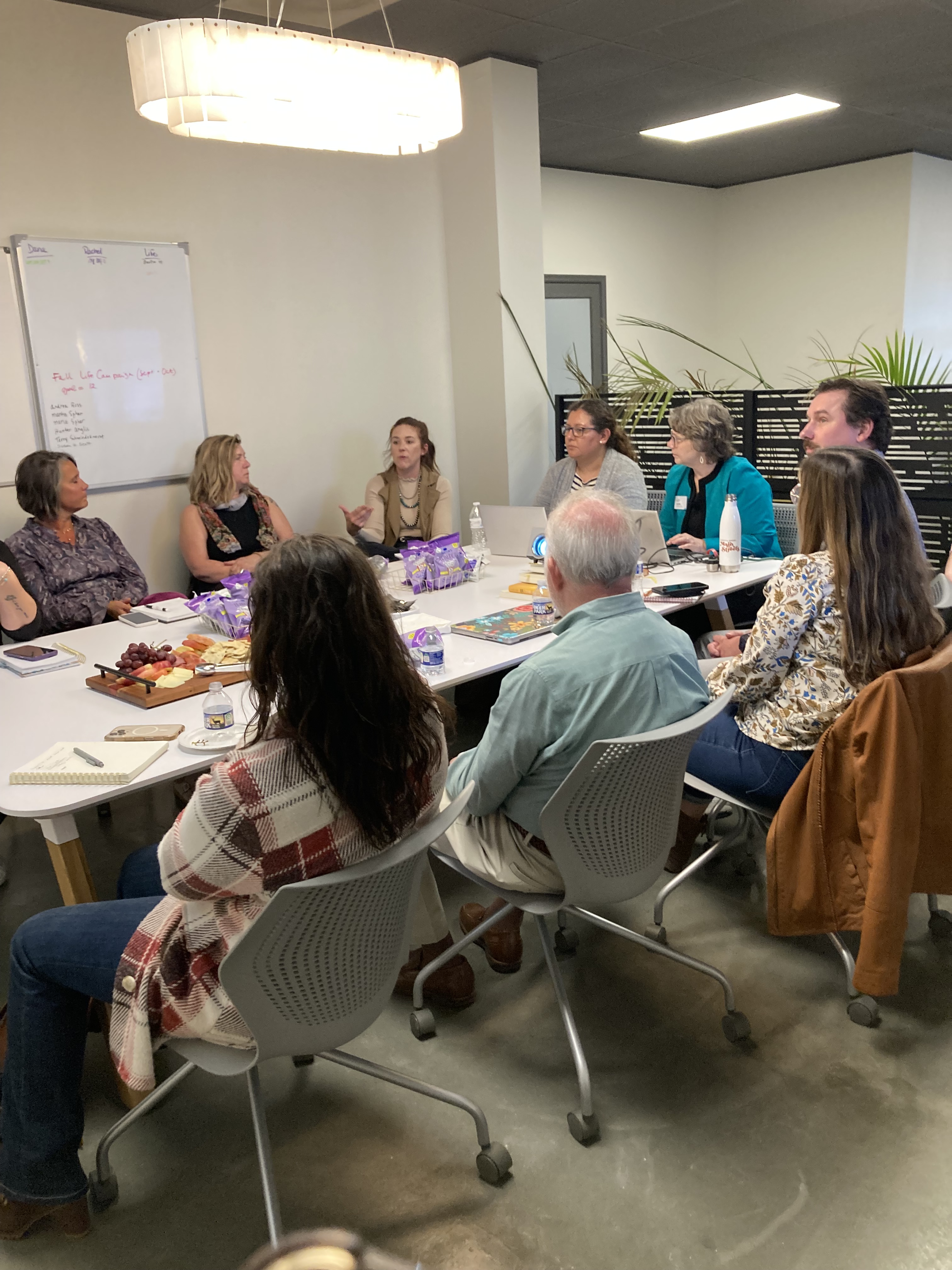
Not every Main Street organization will meet the definition of a public body. Many operate independently and rely primarily on private donations, sponsorships, and earned revenue. Still, all organizations can benefit from adopting transparent practices. Transparency helps Main Street organizations build trust, strengthen partnerships, and demonstrate accountability to the communities they serve. Organizations that communicate openly, share information proactively, and engage stakeholders in decision-making build stronger relationships and greater community support.
Organizations that receive significant public funding or work closely with local governments should periodically review their status and consult legal counsel or contact the Virginia Coalition for Open Government if they have questions about FOIA applicability.
Photo credit: Blaire Buergler
 Virginia Main Street