Every downtown has a story to tell. This September, 148 Main Street leaders, community partners, business owners, volunteers, and downtown advocates came together across Virginia to learn how to tell those stories with greater purpose and impact. This marks a new attendance record worth celebrating!
Virginia Main Street’s Fall 2026 Regional Rev Up workshop series made stops in Rocky Mount, Portsmouth, Colonial Beach, and St. Paul, bringing Main Streeters together for four interactive workshops focused on authentic community storytelling.
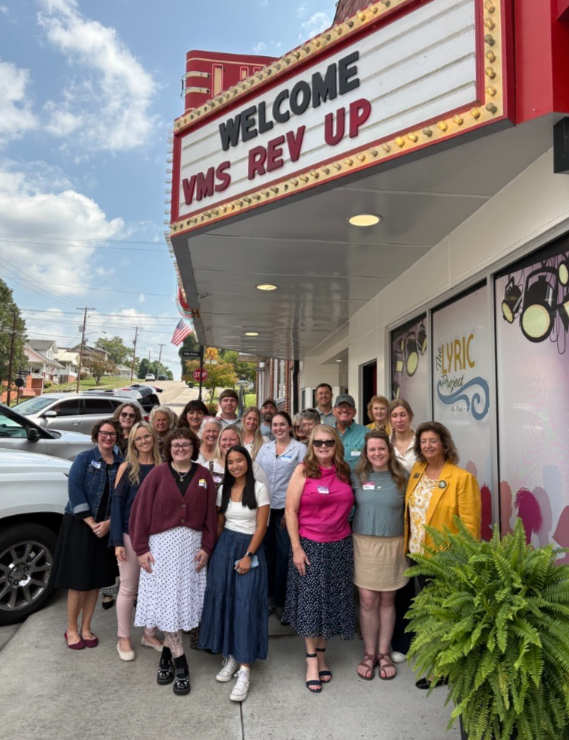
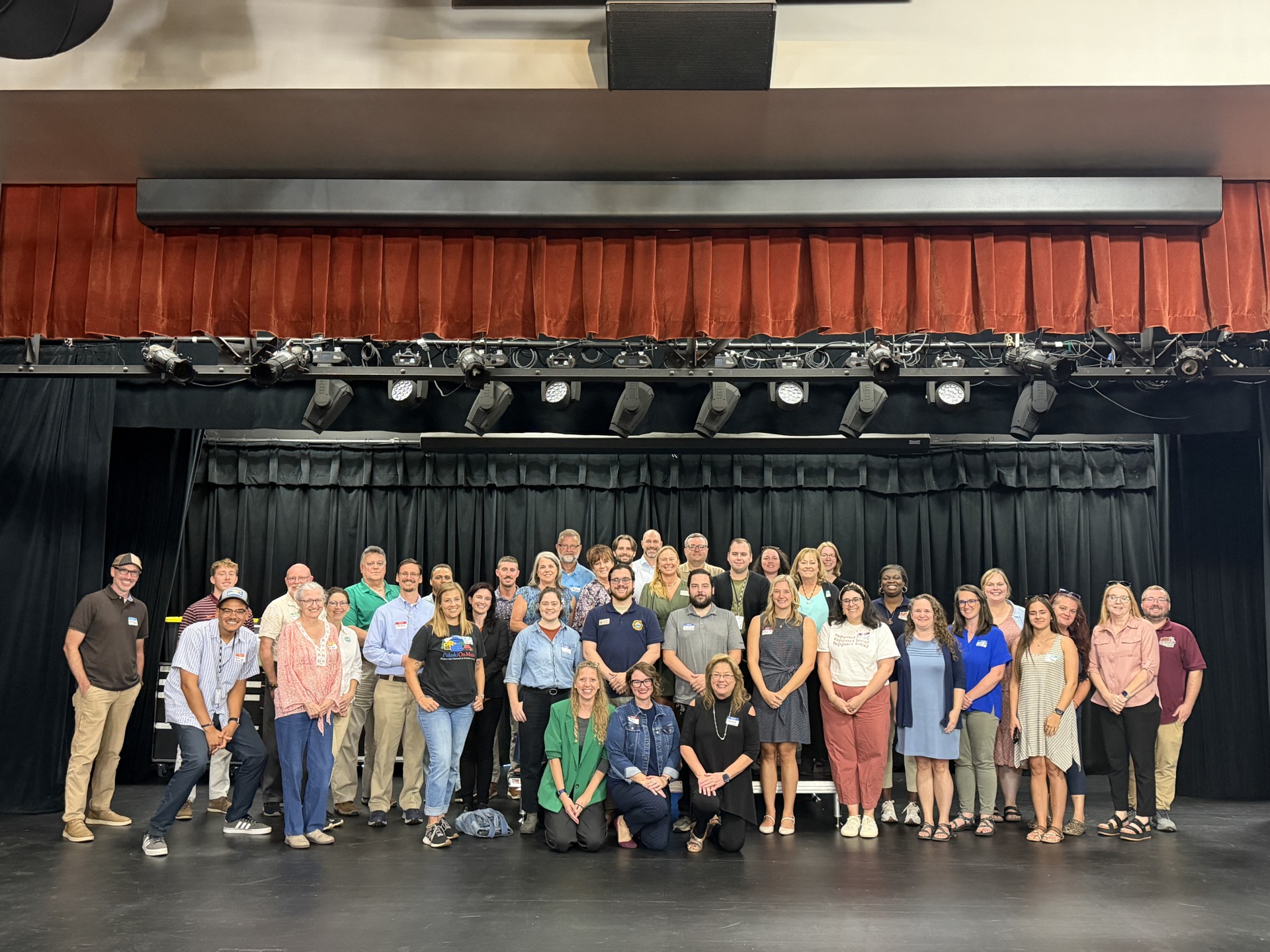
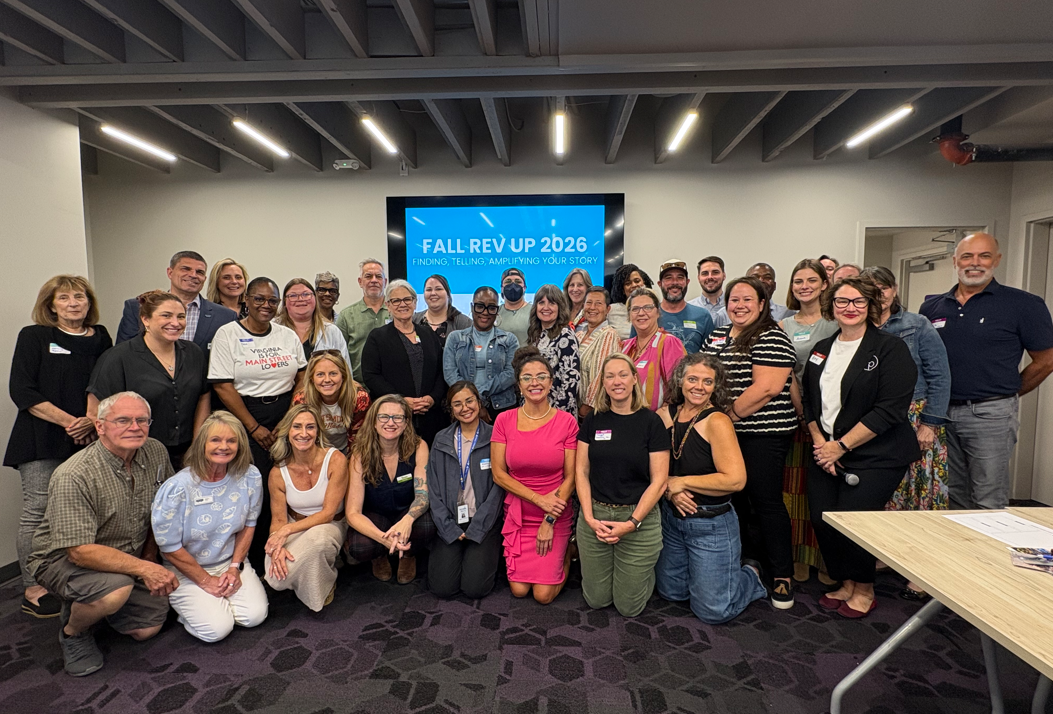
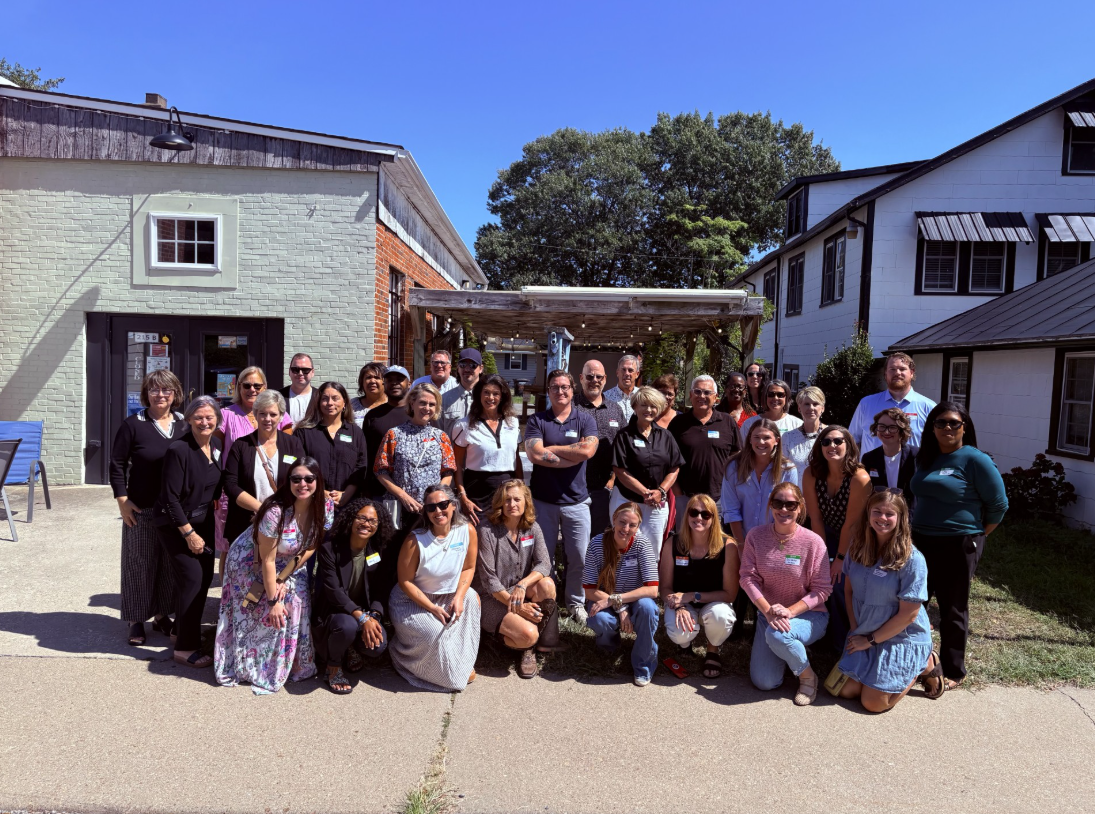
Led by Alexandra Veatch, CEO of Letterpress Communications, participants explored how to find, tell, and amplify the stories that make their communities unique. Through discussion and hands-on activities, attendees considered how stronger storytelling can help communities connect with key audiences, showcase successes, demonstrate impact, and build greater support for downtown revitalization.
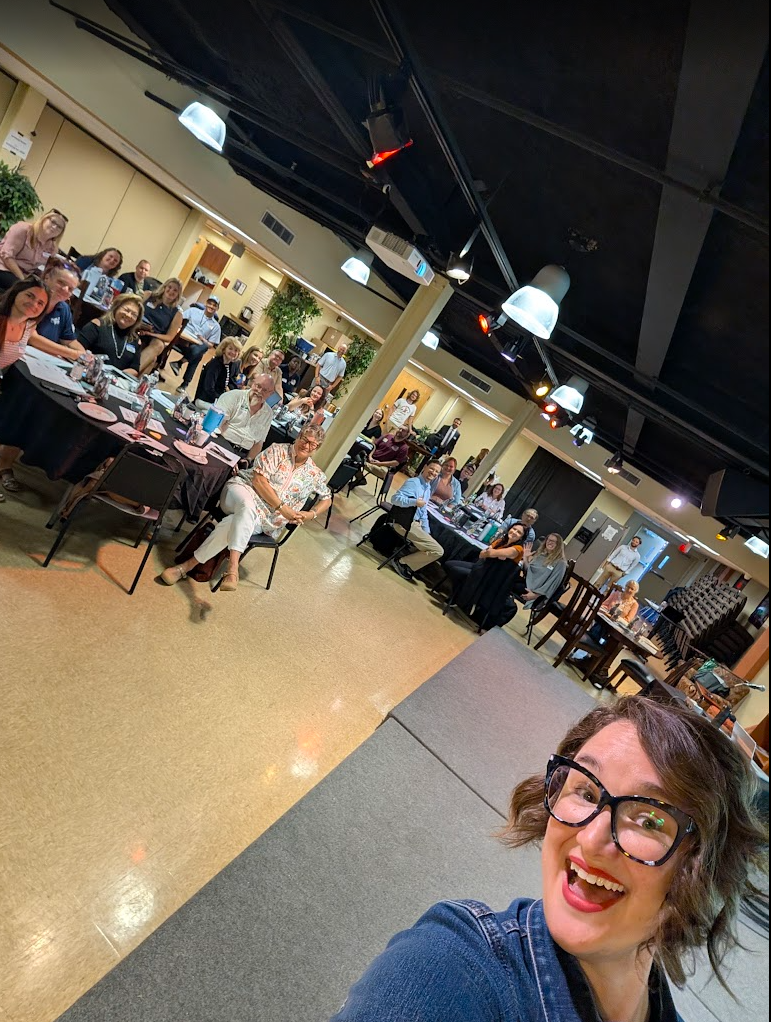
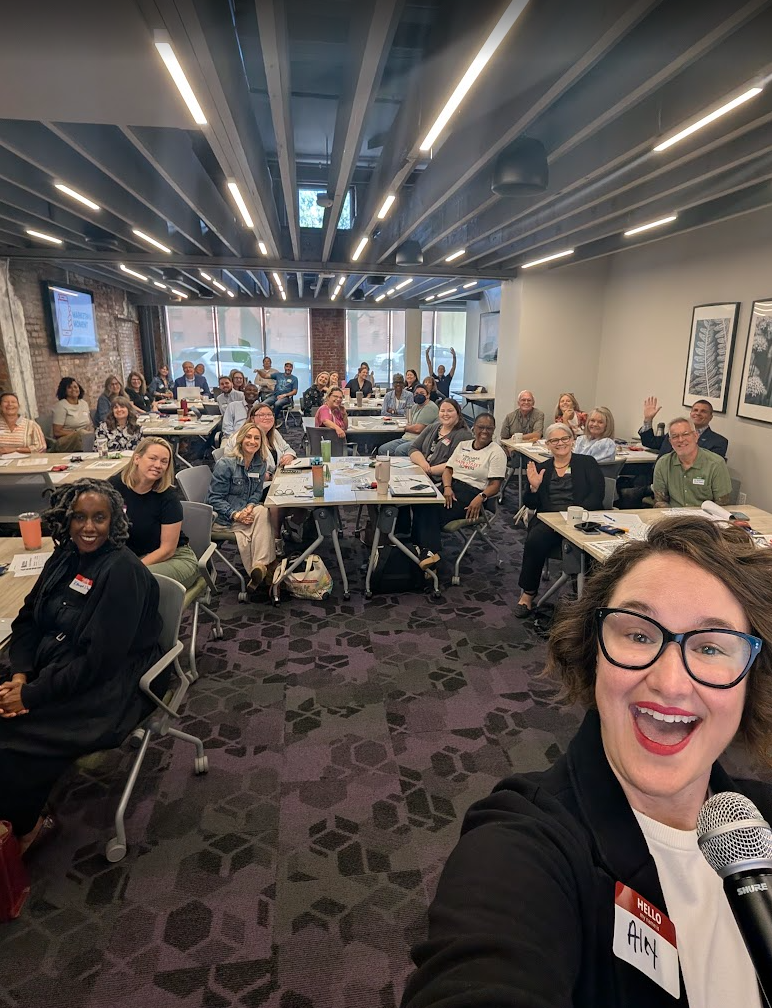
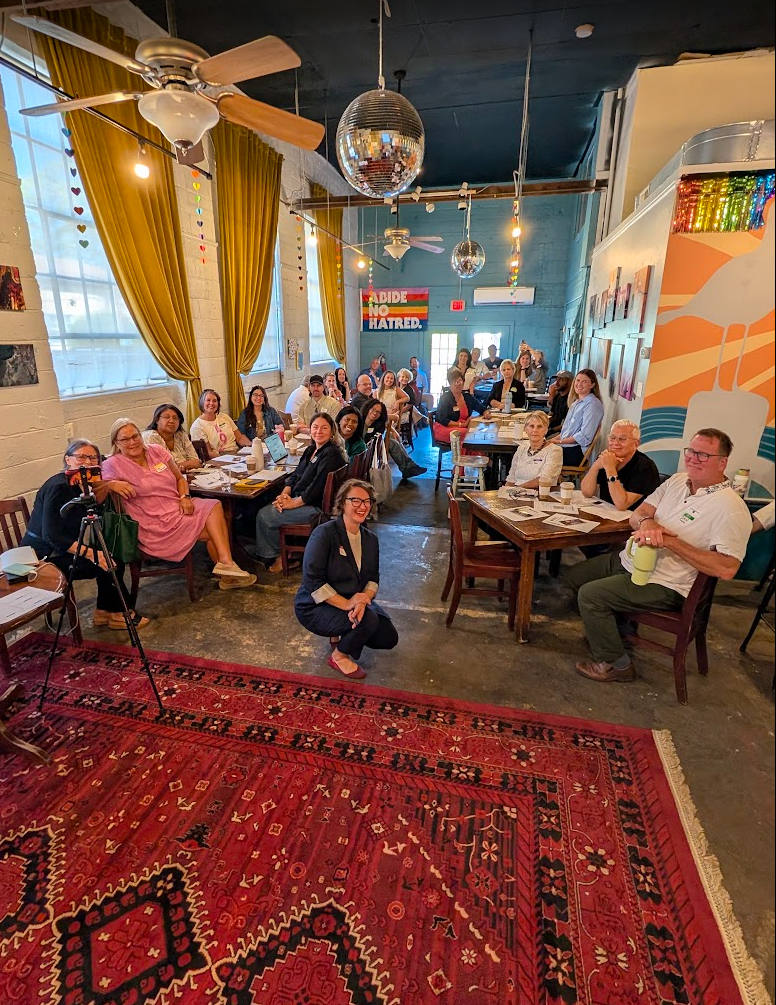
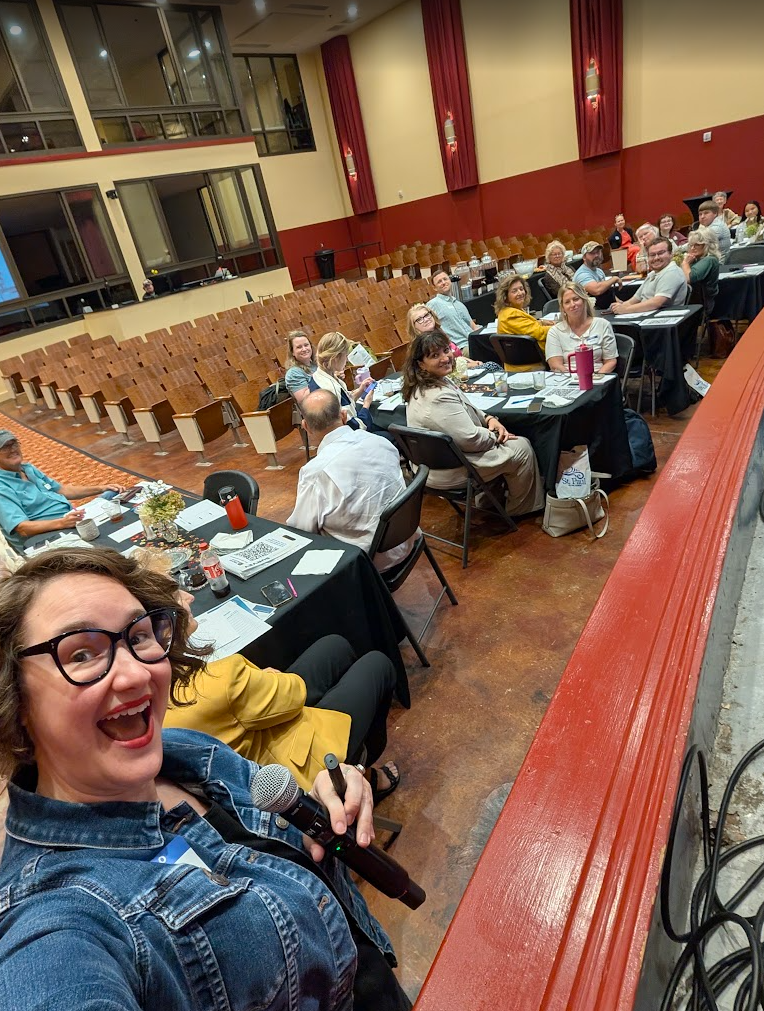
A central theme throughout the week was that some of the most compelling stories are already unfolding every day in the businesses investing in downtown, the volunteers giving their time, the projects bringing new life to public spaces, and the people working together to shape their community’s future.
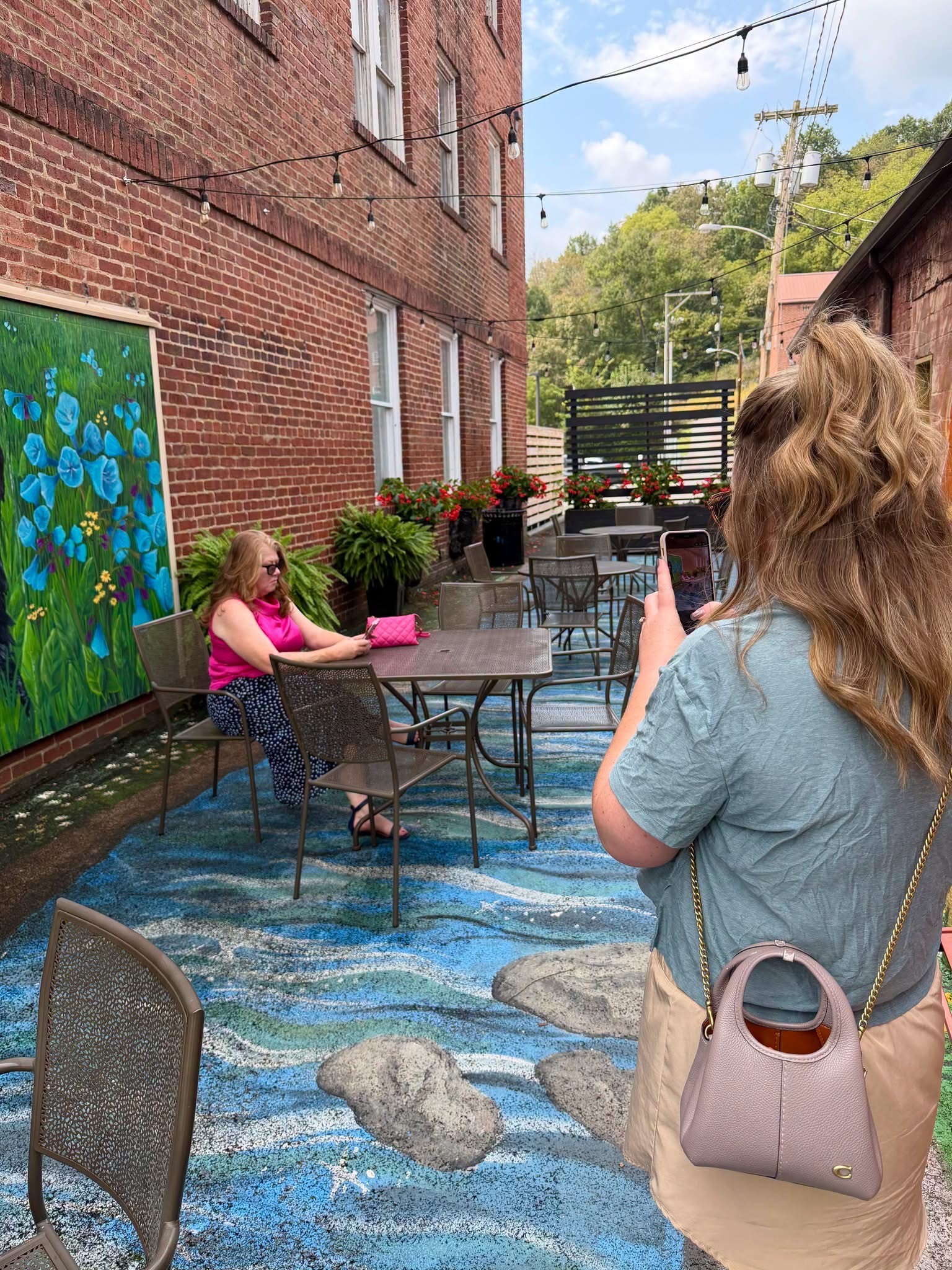
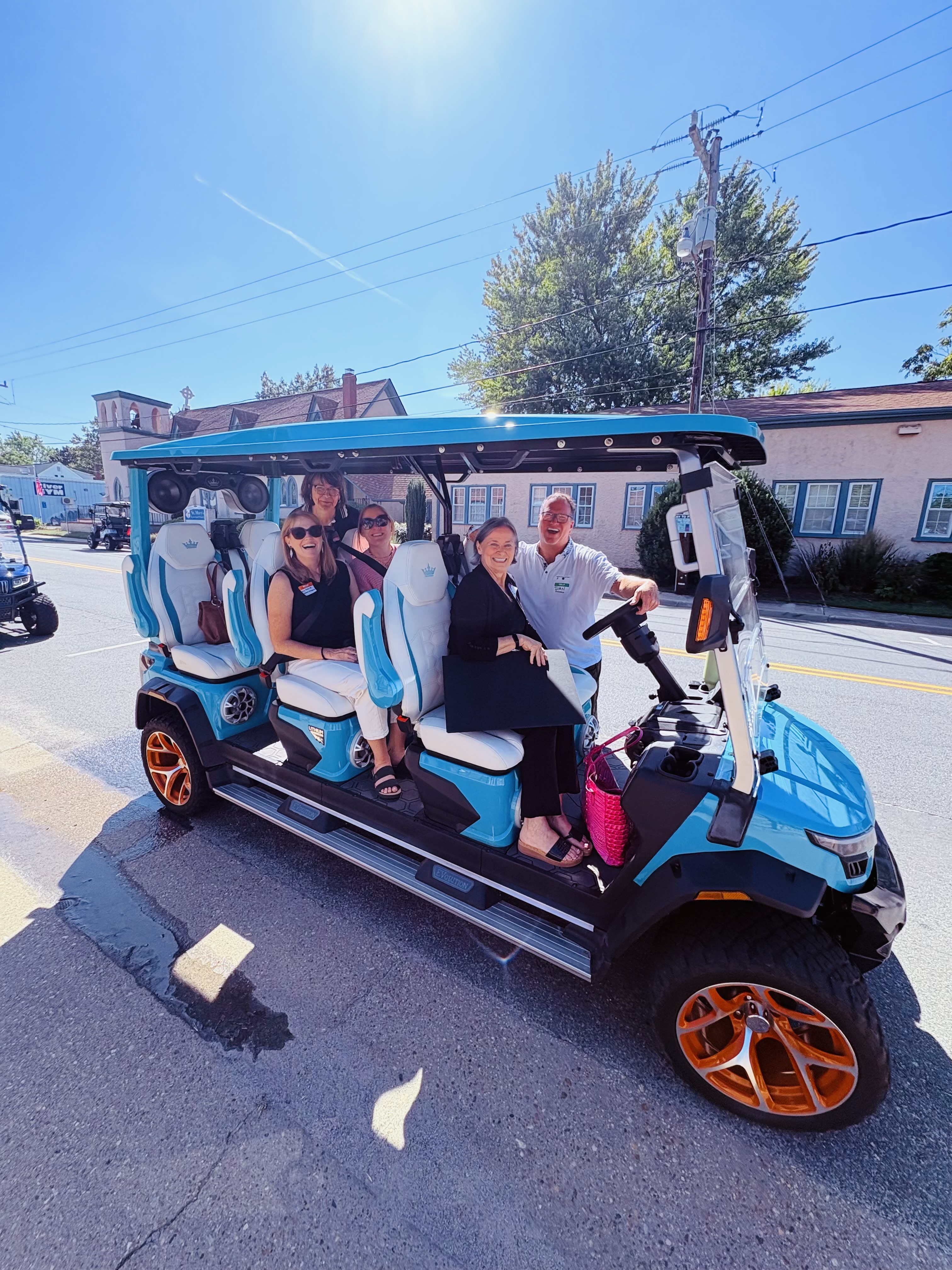
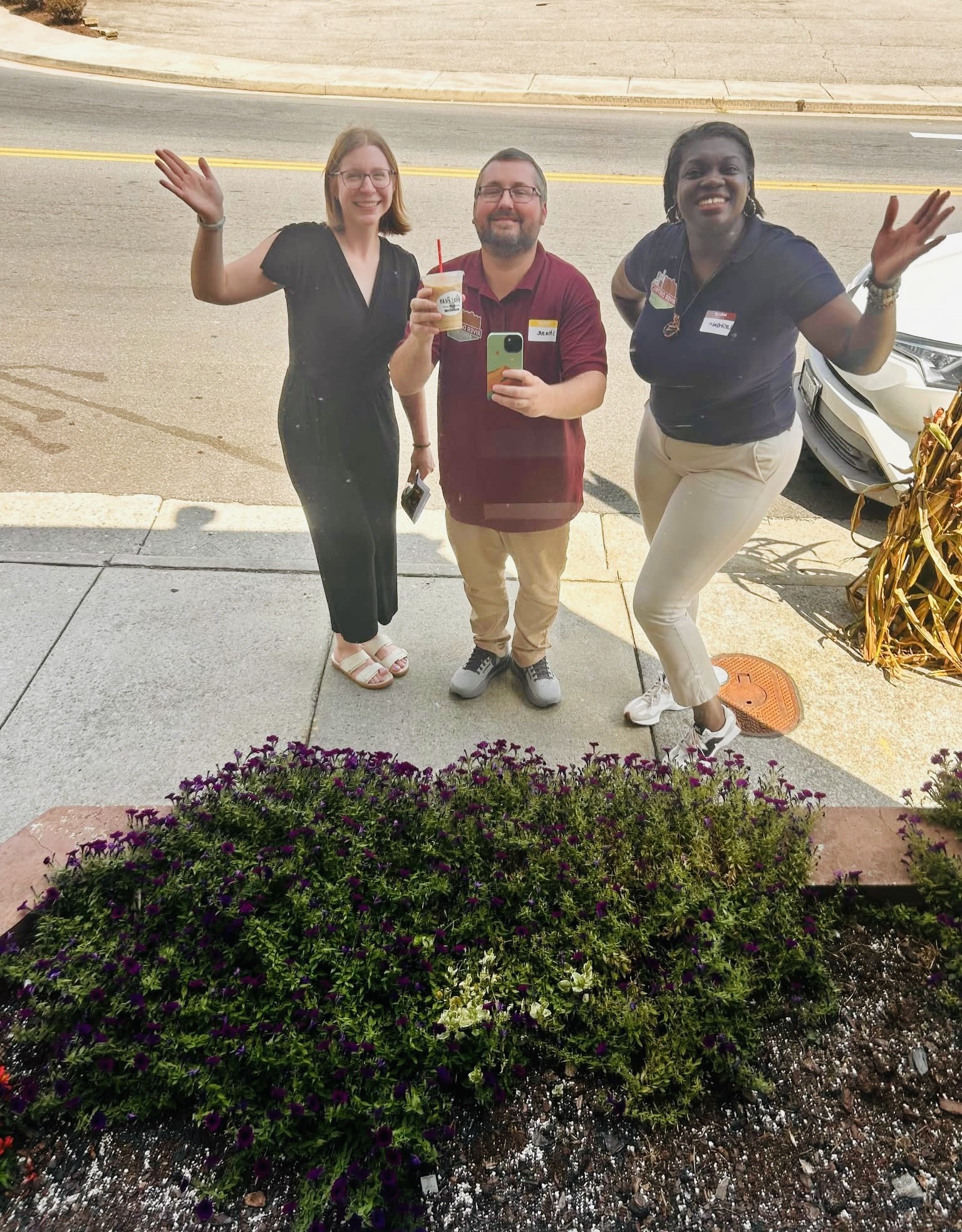
Participants also took their learning beyond the meeting room, exploring each host community and putting storytelling principles into practice through photography and videography exercises. The experience encouraged attendees to look at their downtowns through a different lens and consider how everyday people, places, and moments can become meaningful content.
One of the biggest takeaways from these workshops was that storytelling isn’t just about marketing. A clear community story can help bring people together, guide decisions, attract visitors and investment, and build momentum for what comes next. – Alexandra Veatch, CEO, Letterpress Communications
For those who attended the Rev Up workshops, and those who weren’t able to join us, there are plenty of ways to put these ideas into action. Whether your community is just beginning to think more intentionally about storytelling or already has a strong communications strategy in place, Alex shared several practical takeaways for taking this work to the next level. Here are a few steps communities can begin implementing now, from both a beginner and more experienced perspective.
Beginner:
- Define your core story. Revisit what makes your community distinctive, what you want to preserve, and where you want to grow.
- Choose one story to tell first. Pair it with one strong data point and one compelling visual so the message is clear and memorable.
- Identify your storytellers. Decide who can help tell the story internally and externally, including businesses, residents, partners, volunteers, and local champions.
- Match the story to the right channels. Determine what belongs on your website or newsletter, what could earn media coverage or word-of-mouth, and what may benefit from paid promotion.
- Build a small library of visuals and data. Start consistently collecting photos, short videos, testimonials, statistics, and other proof points you can reuse.
- Create a simple content rhythm. Choose a few content pillars and commit to sharing videos consistently rather than trying to do everything at once. The workshop’s guidance is to “start slow” and build capacity over time.
- Get organized now. Make sure your foundation materials (brand messaging, photos, key statistics, media resources, and other collateral) are easy to find and ready to use when opportunities arise.
Experienced:
- Audit the story you’re currently telling. Compare your website, social media, visitor materials, press coverage, signage, and partner messaging. Are they all telling the same story, or several different ones?
- Refresh your core messages. Established communities often have strong identities, but the language can become dated or overly broad. Revisit what is still true, what has changed, and what deserves more emphasis now. That connect directly to the workshop’s preservation-versus-progress framing.
- Identify the stories you’re not telling yet. Look for overlooked people, businesses, traditions, investments, or community changes that add depth to the larger narrative.
- Pair stories with proof. Build a short list of meaningful data points that reinforce your key messages, rather than overwhelming audiences with numbers.
- Strengthen your visual library. Make sure you’re consistently collecting current photos and video that show real people, activity, impact, and place. Not just posed or generic images.
- Turn partners into storytellers. Give businesses, nonprofits, local leaders, residents, and tourism partners shared taking points, visuals, or content they can easily use and adapt.
- Build a repeatable content system. Establish a few content pillars, decide what you want to collect regularly, and create a realistic cadence for sharing stores. The workshop emphasizes starting with capacity and building consistency over time.
- Look for amplification opportunities. Once the foundational story is strong, identify which stories could become earned media pitches, grant narratives, campaigns, partnerships, or paid promotion.
To support both beginner and experienced storytellers, here are a few templates and resources referenced during the workshop:
- Social Media Content Calendar Template
- Virginia Main Street Press Release Kit
- Brand & Messaging Guide Outline
Copies of each workshop presentation can also be found below. Each host community had a special speaking role, sharing how they have found, told, or amplified their own stories, so each presentation varies slightly to reflect those local examples.
- VMS Fall Rev Up 2026 Presentation – Rocky Mount
- VMS Fall Rev Up 2026 Presentation – Portsmouth
- VMS Fall Rev Up 2026 Presentation – Colonial Beach
- VMS Fall Rev Up 2026 Presentation – St. Paul
Virginia Main Street extends a special thank you to Letterpress Communications for leading the workshops, our host communities for welcoming Main Streeters from across the Commonwealth, and everyone who joined us along the way.
Photo Credit (Alex Selfies): Alexandra Veatch
Photo Credit (St. Paul Alleyway): Believe in Bristol
Photo Credit (Golf Cart): Blaire Buergler
Photo Credit (RDA Trio): River District Association

